


Offset Telecaster article
Offset Telecaster for Beginners: A Complete Guide
An offset Telecaster is an excellent first Tele. This beginner's guide covers comfort, tone, electronics, and setup—everything you need to know to get started.
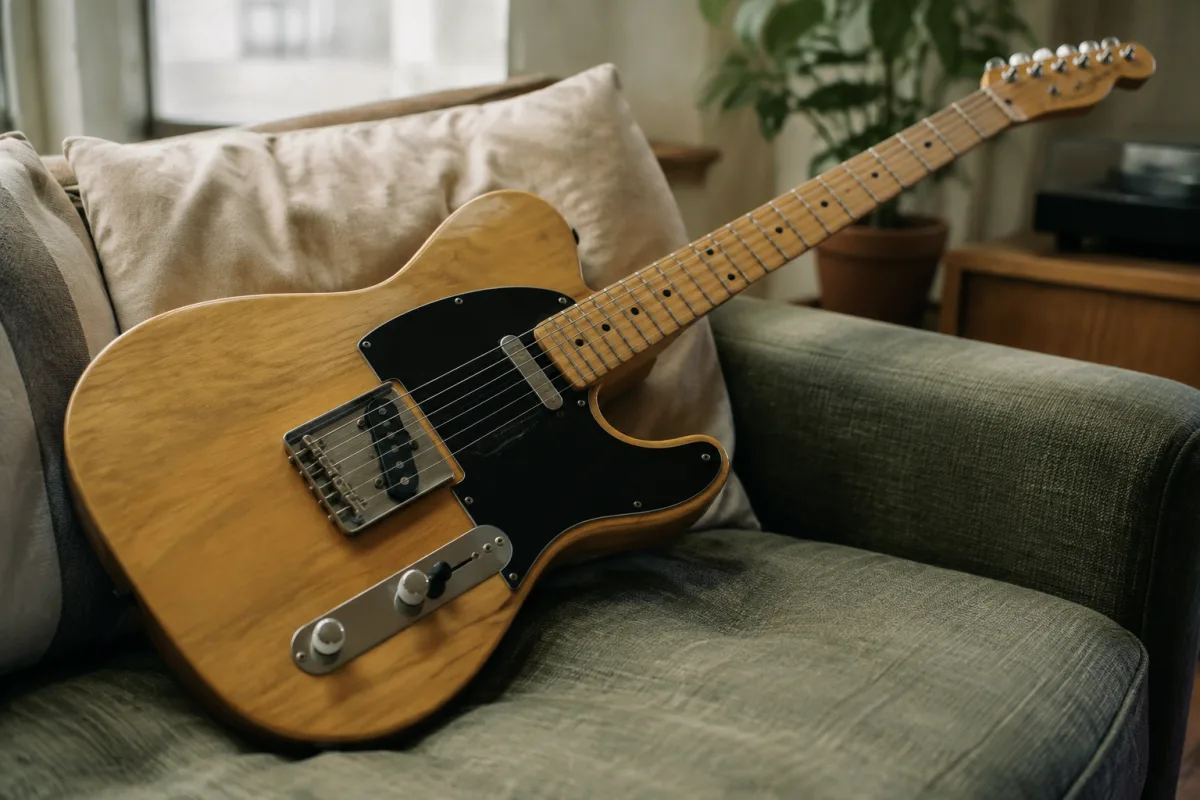
An offset Telecaster can feel like an odd choice for a beginner—it looks a bit unusual compared to a standard Telecaster, and you might wonder if there's something you're missing. The good news: it's genuinely beginner-friendly and often more comfortable to play than the classic shape. If you're considering one for your first Tele, or you've just bought one and aren't sure what you've got, this guide will walk you through what makes it special and how to get the most from it.
What Makes an Offset Telecaster Different?
The main difference is the body shape. While a standard Telecaster has a relatively symmetrical, slab-like body, an offset Telecaster has—as the name suggests—cutaways and contours that offset the body's sides. This design originated with guitars like the Fender Jazzmaster and Jaguar, but offset Telecasters bring that ergonomic shape to the Telecaster's simpler electronics and brighter, punchier tone.
Don't worry about memorising the exact geometry. What matters: the offset shape sits against your body differently, often more comfortably, and the horn design can make high-fret access easier. Sonically, you still get that classic Telecaster bite and twang, but the body contours can add a touch of extra resonance.
Is an Offset Telecaster Right for You?
If you're a beginner, here's a straight answer: yes, probably. Especially if you try one and it feels good in your hands. Some players find offset bodies more comfortable than slab-bodied Teles because they don't dig into your ribcage when sitting, and the horn makes reaching the 20th fret less awkward.
The main question isn't "is it beginner-friendly?" (it absolutely is), but rather "do you like the look and feel?" If you love the Telecaster sound—that snappy, cutting tone—but prefer how an offset Jazzmaster or Jaguar sits on your body, an offset Telecaster is your sweet spot.
Comfort: Sitting Down Versus Standing
Here's something beginners often overlook: how a guitar feels when you're sitting is different from how it feels when you're standing. An offset Telecaster tends to be more comfortable sitting because the contours don't press into your ribcage the way a slab body does. Standing up, the weight distribution is usually well-balanced (offset Teles aren't heavier than standard ones), but the horn can swing a bit more—not a problem, just something to notice.
If you're going to sit while you practice, try an offset Tele in person if possible. Play it sitting down for five minutes. You'll know immediately if it's comfortable or if it's not. There's no "breaking in" period for body comfort; it either works for you or it doesn't.
Electronics and Setup: Beginner Expectations
An offset Telecaster has the same electronics and switching options as a standard Tele. That means two pickups (typically a single-coil Telecaster neck pickup and a bridge pickup), a three-way selector switch, one volume knob, and one tone knob. If you've never used Telecaster electronics before, here's what to expect:
- Position 1 (bridge): Bright, cutting, twangy. Great for funk, country, and sharp lead tones.
- Position 2 (both pickups): Balanced, versatile, slightly fuller than the bridge alone.
- Position 3 (neck): Warm, smooth, good for blues and chords.
The single-coil pickups mean you'll get hum in very electrically noisy environments (studios with lots of equipment often deal with this), but in most practice and playing situations, it's not a problem. If you later find hum bothersome, humbucker-equipped Telecasters exist, but that's a future consideration—don't overthink it as a beginner.
Common Setup Issues (And Why They're Not Your Fault)
Offset Telecasters sometimes arrive with a setup that feels a bit odd. Here are the usual culprits and what they mean:
- Action too high: The strings feel distant from the fretboard. A tech can lower the bridge saddles or adjust the neck relief. This is normal maintenance, not a defect.
- Intonation slightly off: The guitar sounds a bit out of tune even when it's tuned. Offset Teles sometimes ship with a bridge position that needs micro-adjustment. Again, a tech can sort this in minutes.
- Neck feels stiff: The guitar might have arrived in a cold warehouse and needs to acclimate to your home's humidity. Leave it out of the case for an hour and it usually relaxes.
None of this means you bought a lemon. New guitars, especially affordable ones, often need a once-over from a professional setup tech. Budget £30–£60 for a basic setup (action, intonation, truss rod adjustment). It's standard practice and transforms how a guitar plays.
Your First Week With an Offset Telecaster
- Get it set up by a tech if it doesn't feel right out of the box.
- Learn the three pickup positions by switching between them while playing the same note.
- Explore the neck shape—Tele necks are typically flatter than Strats, which some beginners prefer.
- Plug it into an amp and listen to how position 1 (bridge) cuts through. That's the classic Telecaster magic.
- Play each of the three positions and decide which you prefer for your style. There's no wrong answer.
Beginner Mistakes to Avoid
- Assuming the look means it's less capable: An offset Telecaster is just as versatile as a standard Tele. Its appearance is purely aesthetic; the tone and playability are genuine Telecaster.
- Leaving it on the wall unplayed: Offset Teles are beautiful, but they're meant to be played. Pick it up daily and get comfortable with it.
- Dismissing setup issues as "that's just how it is": If something feels wrong, it probably is—but it's almost always fixable by a tech. Don't assume a £300 guitar is defective; it just needs tweaking.
- Comparing it endlessly to standard Teles: Yes, they're slightly different, but the core Telecaster character is there. Stop overthinking and just play.
The Bottom Line
An offset Telecaster is a genuinely welcoming first Tele. The body shape is often more comfortable, the sound is unmistakably Telecaster, and the electronics are straightforward. If you've found one that appeals to you, buy it without hesitation. Spend the first week getting comfortable with it, get it set up by a tech if needed, and let yourself enjoy the brighter, snappier tone that makes Telecasters special.
For a deeper technical overview of offset Telecasters, read our sibling guide: The Complete Guide to Offset Telecaster.



Comments