


Taylor Electric Guitar Buying guide
Taylor Electric Guitar: A Complete Buyer's Guide
Buying a Taylor electric guitar requires understanding their engineering philosophy and model range. This guide covers pricing tiers, specification comparison, semi-hollow versus solid-body options, and practical considerations for selecting the right Taylor electric for your musical needs.
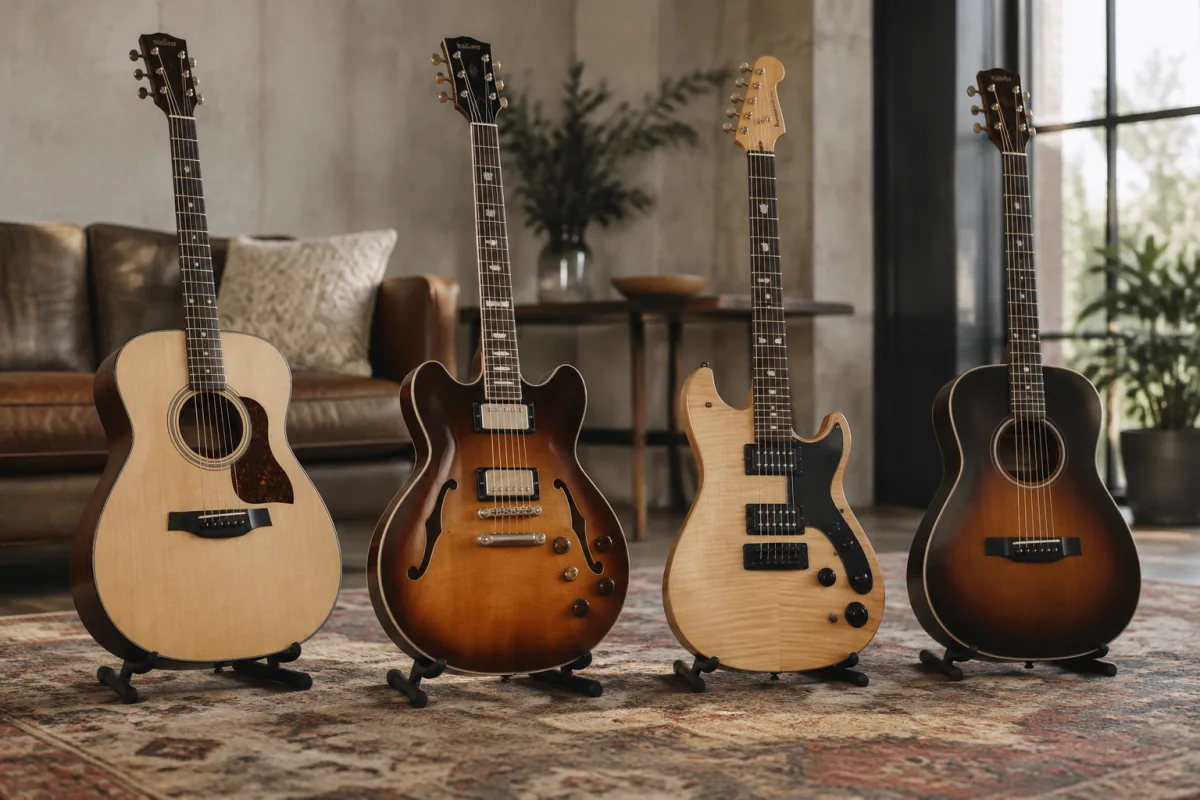
Taylor's foray into electric guitar manufacturing represents a significant commitment to the amplified segment. Unlike their dominant acoustic range, Taylor electric guitars exist as a measured, premium-focused offering for professional musicians and serious enthusiasts. Buying a Taylor electric requires understanding how the brand's engineering philosophy translates to solid-body construction, where their innovations genuinely add value, and how their pricing aligns with competitive alternatives in the electric market.
Taylor's Electric Philosophy
Taylor approaches electric guitars with the same precision engineering applied to their acoustic range. Rather than simply applying acoustic branding to generic solid-body designs, Taylor develops electronics and construction methods specific to their vision. This typically manifests as body designs derived from acoustic proportions, proprietary pickup engineering, and meticulous hardware specification. The result feels distinctly like a "Taylor electric" rather than a repurposed design.
Understanding Taylor's Electric Range
Taylor produces several electric models targeting different player profiles. The T5 and T5z models represent their flagship offerings, featuring semi-hollow body construction with onboard acoustic amplification capabilities. These guitars excel for players wanting both electric and acoustic voicing from a single instrument. Solid-body options provide more conventional electric guitar response with Taylor's characteristic brightness and clarity.
Key Specifications to Evaluate
When considering a Taylor electric, these technical factors directly impact your playing experience and investment value:
- Body construction: Semi-hollow designs resonate naturally and offer acoustic character when unplugged; solid-body instruments provide maximum feedback rejection and higher-gain capability.
- Pickup system: Taylor's proprietary pickups are voiced for clarity and articulation rather than high-gain crunch. They suit jazz, pop and contemporary music more than hard rock genres.
- Fretboard wood: Rosewood or maple, specifying durability and aesthetics. Rosewood requires more maintenance in dry climates.
- Hardware quality: Tuning machines should turn smoothly; bridges should lock strings securely without binding.
- Electronics integration: Onboard controls should be intuitive; volume and tone adjustments should operate smoothly without crackling.
- Neck profile: Taylor's C-shape neck is comfortable for most players; verify it suits your hand size and preference before committing.
Price Positioning
Taylor electric guitars typically start around £1200-1500 for entry-level models and extend to £3000+ for flagship instruments. This positions them above mass-market alternatives like Squier or Epiphone but below premium boutique builders. The pricing reflects genuine engineering quality rather than brand markup—Taylor's electronics and wood quality justify the investment versus generic solid-body guitars at comparable price points.
| Model Category | Price Range | Body Type | Best For | Key Feature |
|---|---|---|---|---|
| Entry Electric | £1200-1600 | Solid Body | Gigging musicians, studio professionals | Solid construction, clear electronics |
| T5 Series | £1400-2200 | Semi-Hollow | Players wanting acoustic-electric versatility | Dual-voice system, resonant body |
| Premium Models | £2000-3500 | Solid/Semi-Hollow | Touring professionals, collectors | Premium tonewoods, superior electronics |
Semi-Hollow Versus Solid-Body Considerations
Semi-hollow body guitars like the T5 offer acoustic responsiveness and reduced feedback at moderate volumes. They excel in jazz, pop and fusion contexts where natural resonance contributes to tone. Solid-body models provide maximum output gain capacity and feedback rejection, suiting rock, metal and high-volume performance. The choice hinges on your musical context and whether you value acoustic character as part of your electric voice.
Amplifier Pairing
Taylor electric guitars require amplification hardware that complements their voice. Taylor pickups emphasise clarity and midrange articulation, pairing exceptionally well with clean or lightly overdriven amplifier voicings. Hard-gain amp settings (distortion and heavy effects) can obscure Taylor's tonal character. Budget for amplification—a quality tube combo amplifier starts around £500-800, representing an essential investment beyond the guitar itself.
Setup Considerations
Taylor electric guitars arrive factory-set but benefit from personalised adjustment. Action preferences vary by genre and technique—rhythm players often prefer lower action; lead players sometimes prefer slightly higher action for aggressive bending. Professional setup (£60-100) optimises your specific instrument for your technique and musical context.
Electronics and Maintenance
Taylor incorporates quality potentiometers and switching systems that withstand years of gigging. However, like all electronic instruments, periodic maintenance is required. Pots occasionally require contact cleaner if volume/tone controls become scratchy. Electronics are user-replaceable by experienced technicians but require specialist knowledge. Budget £100-200 for major electronics work should it arise after years of intensive use.
Used Market Opportunities
Pre-owned Taylor electric guitars offer excellent value. The brand's reputation for durability means used instruments often remain in excellent condition. However, verify electronics integrity—test all controls, switches and volume levels before purchasing. Any crackling or intermittent output suggests costly repairs. Ask about the guitar's playback history and inspect for neck warping or fret wear.
Common Purchasing Mistakes
Avoid selecting a Taylor electric based on aesthetic preference alone. The guitar should respond to your playing technique and match your musical context. Don't assume Taylor electric pickups will deliver the high-gain distortion capability you might want for rock music—test the instrument through appropriate amplification before committing. Resist purchasing without trying your specific guitar; even within the same model, subtle variations occur in electronics and playability.
Brand Comparison Context
Taylor electric guitars face competition from Fender, Gibson, PRS and boutique builders. Each brand emphasises different tonal characteristics: Taylor prioritises clarity and articulation; Gibson favours warmth and sustain; Fender emphasises brightness and snap. Your preference depends entirely on your musical context and ear. Play instruments from multiple brands through equivalent amplification before deciding.
Before Your Purchase
Visit an authorised Taylor dealer and play multiple electric models through quality amplification. Your hands and ears will immediately communicate which instrument resonates with you. For broader context on Taylor's heritage and electric model distinctions, review our comprehensive Taylor electric guitar overview, which covers specifications and technical details in depth.
Final Decision
Purchasing a Taylor electric guitar represents confidence in your commitment to amplified playing. Take time to audition instruments, test electronics thoroughly, and ensure the guitar's tonal character matches your musical direction. Taylor's quality construction ensures your investment will serve you reliably for decades of professional performance and practice.


Comments