


Stratocaster Pickguards Buying guide
Stratocaster Pickguards: A Complete Buyer's Guide
Stratocaster pickguards balance protection, aesthetics, and electronics compatibility. This buying guide explains materials, fit considerations, routing options, and practical advice for selecting a pickguard that suits your guitar.
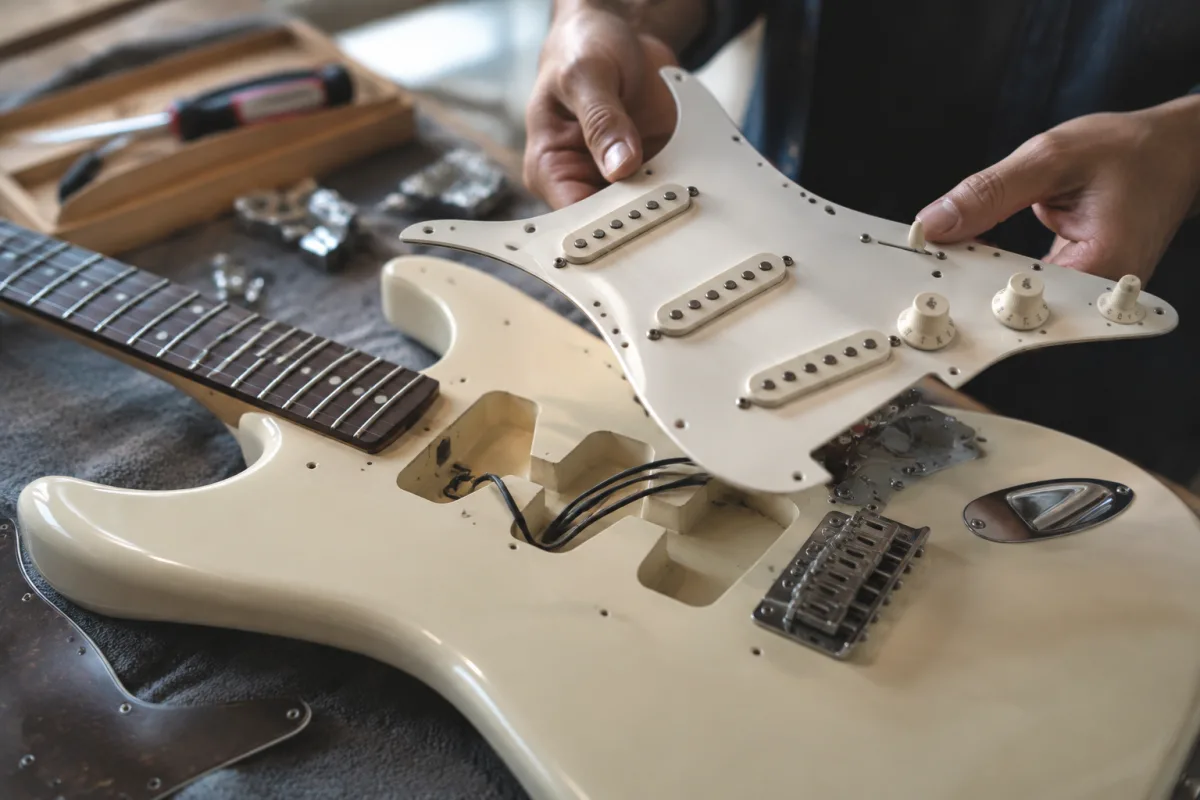
Stratocaster pickguards are often dismissed as purely protective—aesthetic afterthoughts covering ugly electronics. In reality, selecting the right pickguard involves balancing functionality, electrical compatibility, material quality, and aesthetic preference in ways that separate informed purchases from regrettable compromises. Whether you're replacing a damaged pickguard, upgrading your Stratocaster's appearance, or restoring a vintage instrument, understanding what genuinely matters prevents costly mistakes and ensures your new pickguard integrates seamlessly with your guitar. This guide examines the practical considerations that define successful pickguard purchases.
Pickguard Materials and Their Real-World Implications
Stratocaster pickguards are typically constructed from celluloid, anodized aluminium, or plastic (cellulose acetate) materials, each offering distinct advantages and limitations. Celluloid—the classic vintage material—delivers authentic visual appearance with genuine plastic feel and slightly flexible behaviour. However, celluloid deteriorates over decades, developing cracks and discoloration from UV exposure and age. Anodised aluminium pickguards resist wear and deterioration but feel distinctly different under your hand during playing, producing metallic sounds if you accidentally contact them during strumming. Plastic alternatives (cellulose acetate) offer excellent durability and affordability but sometimes feel cheaper and may show wear patterns unbecoming on expensive instruments. Choose materials matching your intended use: celluloid for vintage authenticity and aesthetic appeal; anodised metal for longevity and performance; plastic for budget-conscious protection.
Compatibility and Fitting Precision
Not all pickguards fit all Stratocasters identically. Fender's vintage-era, 1990s, and modern production models featured slightly different body routing and mounting hole positions. A pickguard manufactured for classic vintage Strats might not align properly with a modern Custom Shop model, leaving gaps or requiring modification. Before purchasing, confirm your exact Stratocaster production era and body shape. Most reputable pickguard manufacturers specify compatibility clearly—"Fits American Vintage Strats 1987–1998" or similar. Measure your existing pickguard's dimensions and hole positions, or consult your specific guitar's documentation before ordering replacements. Ill-fitting pickguards require professional rework (drilling new holes, body modification) adding significantly to total cost.
Electronics Routing and Wiring Integration
Pickguards aren't merely decorative—they route and protect pickups, potentiometers, and switch wiring underneath. Custom or specialty pickguards might feature different electronics routing than your guitar's stock design. Before purchasing, clarify whether the pickguard includes routing for your specific pickup configuration, volume and tone controls, and selector switch. Mismatched routing requires professional modification. Premium pickguard manufacturers often provide multiple routing options (three-ply traditional, alternative switching schemes) allowing customisation to match various Stratocaster configurations. Budget manufacturers sometimes cut corners, offering limited routing options that necessitate modification work.
Ply Configuration and Aesthetic Appeal
Stratocaster pickguards come in single-ply (one material layer), two-ply, or three-ply configurations. Single-ply appears thin and lightweight, suiting minimalist aesthetics. Three-ply features visible layer stripes—classic celluloid pickguards often displayed tortoiseshell, black-white-black, or other multi-colour combinations. Modern three-ply designs replicate this vintage appearance authentically. Choose ply configuration matching your guitar's aesthetic direction and production era. A modern Custom Shop Stratocaster suits thick three-ply celluloid authentically; a budget model might look overwrought with elaborate pickguard styling. Material and ply combination communicate distinct visual and tactile messages about your instrument's character.
Colour and Finish Options
Pickguard colour dramatically affects your Stratocaster's visual impact. Classic combinations include cream or white pickguards on sunburst bodies, black on solid-colour finishes, or tortoiseshell celluloid on natural wood. Modern options expand dramatically—anodised metal allows custom colours; specialty manufacturers produce nearly any conceivable finish. Consider your body colour, hardware finish, and intended aesthetic before choosing pickguard colour. Test combinations visually if possible—guitar retailers sometimes allow temporary pickguard placement for aesthetic evaluation. An unexpected colour choice, whilst initially exciting, might feel wrong after months of daily playing, making replacement desirable.
Aging, Durability, and Long-Term Maintenance
Celluloid pickguards age beautifully in some contexts—developing patina and character that enhance vintage instruments. However, this same ageing process produces discolouration, cracking, and brittleness in others. UV exposure, humidity extremes, and physical wear accelerate degradation. If your Stratocaster lives in a stable climate and receives careful handling, celluloid pickguards maintain appearance for decades. If exposed to sunlight, temperature fluctuation, or heavy gigging use, celluloid deteriorates significantly. Anodised aluminium resists environmental degradation but scratches visibly, requiring protective cases for preservation. Plastic alternatives resist environmental damage but show wear scratches less gracefully. Match material durability to your actual usage patterns and care commitment.
Pre-Wired Pickguards and Electronic Convenience
Specialty manufacturers offer pre-wired pickguards including pickups, wiring harness, and capacitors ready for drop-in installation. These simplify guitar assembly dramatically, particularly for players unfamiliar with wiring. However, pre-wired configurations lock you into specific pickup choices and electronics specifications. Premium pre-wired pickguards cost significantly more than bare guards. Amateur electronics assembly risks damage to sensitive components. Decide whether convenience justifies cost premium and reduced customisation flexibility. Experienced builders often prefer bare pickguards with independent component selection; beginners benefit from pre-wired simplicity.
Pickup Pocket Routing and Electronics Cavity Depth
Stratocaster pickguards define pickup pocket depth and width, determining which pickups physically fit. Standard routing accommodates Fender-format single-coils; modified routing might accommodate humbuckers, lipstick pickups, or other specialty configurations. Before purchasing, confirm your desired pickups fit the pickguard's routing. Shallow cavities limit component options; deeper routing increases installation options but might look unusual on traditional instruments. Match routing depth to your specific pickup choices and aesthetic preferences. Installation of improperly fitted pickups requires professional modification adding cost and complexity.
Brand Reputation and Quality Assurance
Reputable manufacturers including Fender (genuine replacements), Allparts, and specialty builders maintain precise specifications and quality standards. Their pickguards fit properly, route accurately, and age gracefully. Cheaper aftermarket manufacturers sometimes cut corners—misaligned drill holes, imprecise material cutting, inconsistent colour application—creating frustration and installation complications. Spend modestly extra purchasing from established manufacturers; the difference between a £30 budget pickguard and £70 quality alternative is negligible compared to modification costs if poor fit necessitates professional rework.
Testing Fit Before Installation
Before permanently installing a replacement pickguard, dry-fit it to your Stratocaster. Mount it carefully without fastening, checking whether it aligns properly, sits flush against the body, and whether routing matches your electronics. Look for gaps between pickguard and body edges; inspect mounting hole alignment; verify that cutouts align with your specific controls and switch. This test installation catches incompatibility before drilling holes or committing to permanent attachment. Many retailers accept returns on pickguards if incompatibility becomes apparent after test-fitting.
Common Pickguard Buying Mistakes
Don't assume all Stratocaster pickguards fit all Stratocasters—compatibility varies significantly by production era and model. Don't prioritise appearance exclusively; mismatched electronics routing creates installation complications. Don't ignore material durability relative to your climate and usage patterns; inappropriate material choice leads to premature aging or damage. Don't assume vintage aesthetics suit modern instruments; sometimes contemporary pickguard designs complement newer Stratocasters more gracefully. Don't rush replacement—budget time for careful research and specification verification rather than hastily ordering based on image searches.
Learning More About Stratocaster Pickguards
For comprehensive information on Stratocaster pickguard types, vintage variations, and customisation possibilities, consult our complete guide to Stratocaster pickguards. That resource covers historical variations, material comparisons, and aesthetic customisation options.
Your Pickguard Selection Matters
Selecting a Stratocaster pickguard is simultaneously aesthetic and functional—you're balancing appearance, durability, compatibility, and electronics integration. Invest time confirming compatibility specifications, evaluating material options relative to your usage patterns, and considering your guitar's specific production era and design. A properly chosen pickguard enhances your instrument's appearance and functionality for decades; a hasty choice creates frustration and unexpected additional costs. Make informed decisions and your Stratocaster rewards you with improved aesthetics and reliable protection.