


Stratocaster Fender White Buying guide
Stratocaster Fender White: A Complete Buyer's Guide
A Fender Stratocaster in white is an iconic choice, but understanding the differences between variants and what separates quality from compromise helps you invest confidently.
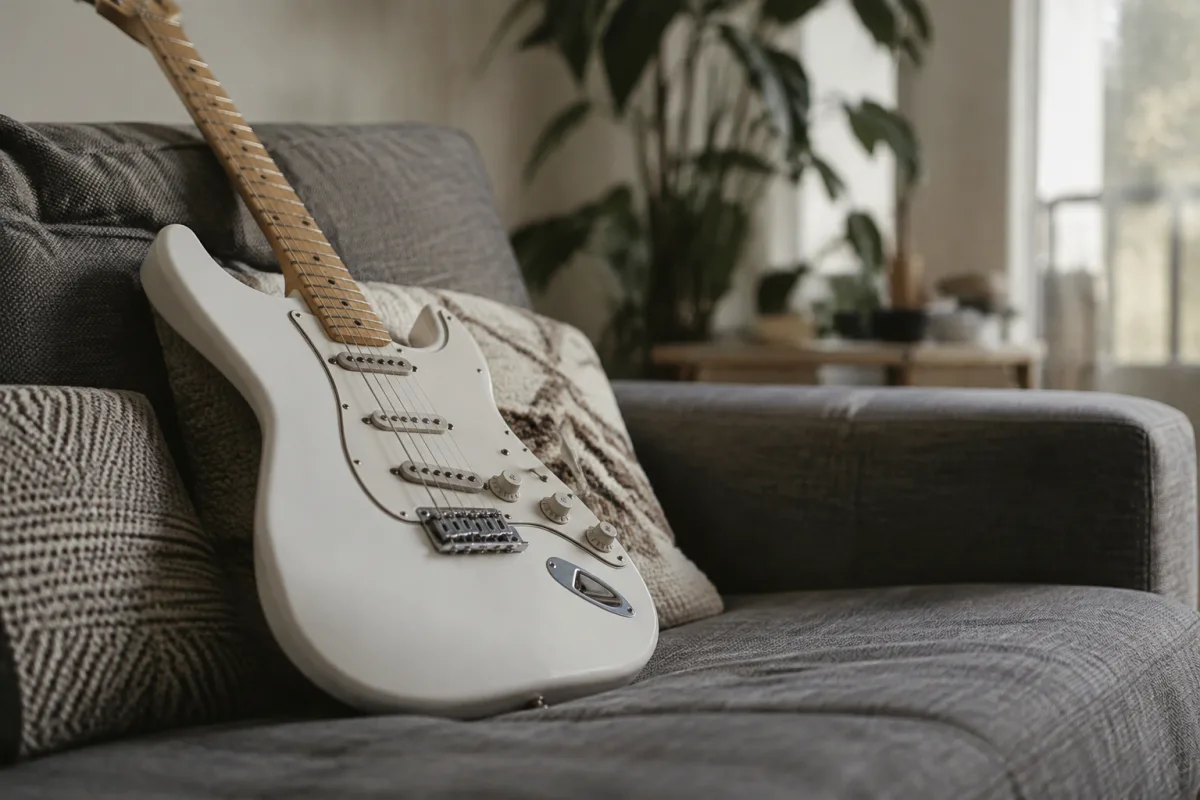
A Fender Stratocaster in white is an iconic choice that combines timeless design with proven playability. Whether you're considering a Mexican-made Stratocaster Fender White, an American model, or a vintage find, understanding the differences between variants and what separates quality from compromise helps you invest confidently. This buying guide walks you through model comparisons, construction quality markers, and the price ranges you'll encounter.
Fender Stratocaster Fender White Model Variations
Fender produces the white Stratocaster across several lines, each with distinct characteristics and price points. The Mexican Standard Stratocaster offers excellent value, with solid construction and reliable electronics at an accessible price. The American Professional Stratocaster represents Fender's current production standard, featuring refined hardware, premium finishes, and modern electronics at a higher price. Vintage or American Vintage reissues aim to recreate historical specifications from specific years, appealing to players seeking authentic tone and aesthetics. Player Series models target entry-level buyers looking for genuine Fender quality without premium pricing. Each line serves different needs; understanding which category suits your budget and expectations prevents disappointment.
Understanding Price Tiers for White Stratocasters
White Stratocaster Fender models range from £300 for entry-level variants to £3,000+ for premium American-made instruments. Squier by Fender models (£150–£300) introduce players to Stratocaster design but with cost-cutting electronics and hardware that feels less substantial. Mexican Standard or Player models (£400–£700) represent genuine Fender quality at reasonable cost, featuring proper Fender components and construction standards. American Professional and Elite models (£1,200–£1,800) justify premium pricing through superior wood selection, meticulous assembly, and premium electronics. Vintage Stratocaster Fender White instruments (£1,500–£5,000+) depend heavily on year, condition, and provenance; older instruments command premium prices. Recognising where a specific instrument sits on this spectrum helps you evaluate whether pricing reflects actual quality or brand markup.
Evaluating Construction Quality
White finish can hide construction flaws, so inspect carefully before purchasing. Check the paint for consistent coverage, depth, and gloss; high-quality finishes show depth and durability, whilst thin or flat finishes suggest cost-cutting. Look closely at joints where the body meets the neck—gaps or misalignment indicate sloppy assembly. Examine frets for wear, high spots, or flat sections; a Stratocaster Fender White with fret issues requires expensive professional levelling. The body should be perfectly symmetrical with crisp edges; warping or waviness in the body suggests stability problems. Test the truss rod by asking the seller about neck relief; a healthy neck has slight forward bow and allows smooth adjustment. These construction markers reveal whether the builder invested in precision or prioritised speed and cost.
Hardware Quality and Functionality
Stratocaster Fender White models vary significantly in hardware quality. The vibrato system (or tremolo, as Fender calls it) should operate smoothly without binding; this mechanism is crucial for the Stratocaster's character. Quality tuning machines hold pitch stability and feel responsive; cheap tuners frustrate players with constant retuning. The bridge should offer precise intonation adjustment, and saddles should be properly cut to avoid fret buzzing or high action. Pot quality affects control responsiveness; test all volume and tone controls to ensure they sweep smoothly without scratching or dead zones. Electronics shielding (or lack thereof) influences whether the Stratocaster Fender White hums with electrical interference. American-made and Professional-tier instruments feature significantly better hardware; entry-level models cut corners that become apparent within months of ownership.
Pickups and Electronics Comparison
A white Stratocaster Fender's pickups define its sonic character and vary across price points. Entry-level models often feature basic single-coil pickups that capture classic Stratocaster brightness but with noise and limited versatility. American Professional models include refined single-coil pickups engineered for reduced noise while maintaining that distinctive Stratocaster twang. Some Fender Stratocaster variants offer humbucking options or specialised pickup designs for different genres. The electronics—whether passive or active—affect tonal range. Active electronics boost signal and allow wider tonal shaping but require battery changes. Passive circuits are simpler and preferred by purists. Listen to demo recordings of specific pickup configurations before deciding; electronics define your sound more than aesthetic factors.
Common Stratocaster Fender White Buying Mistakes
Avoid these frequent pitfalls when purchasing a white Stratocaster Fender:
- Assuming all Fender white guitars sound identical: Price tiers exist for good reason; entry-level and premium models sound noticeably different. Expect inferior playability and tone from budget models.
- Neglecting to test the vibrato: A Stratocaster's tremolo system is central to its character. A stuck or binding vibrato ruins the instrument's appeal.
- Ignoring fret condition: Worn frets are expensive to repair. Always inspect by sighting down the fretboard; high or flat frets indicate problems.
- Choosing based on finish alone: A pristine white finish hides construction and electronics quality. Look beyond aesthetics.
- Overlooking neck stability: Ask about truss rod adjustment range and whether the neck has been straight. A neck maxed out on adjustment signals future problems.
- Buying vintage without professional inspection: Older Fender Stratocaster instruments can deteriorate; have a luthier evaluate condition before committing to a significant investment.
Assessing Neck Quality and Playability
The Stratocaster's thin, comfortable neck is part of its appeal, but quality varies. Feel the neck profile; Fender offers modern slim profiles and vintage chunky profiles. Your hand size and technique preference should match the profile you choose. Run your fingers along the fretboard looking for flatness, high spots, or inconsistent crown; quality frets feel smooth and even. The nut should be precisely cut so strings sit at correct height without buzzing; rough or uneven nuts cause tuning issues. Neck finish differs across models; some prefer satin finishes for smooth feel whilst others like gloss finishes. A Stratocaster Fender White should feel fast and effortless to play; sluggish action or high frets indicate quality compromises that won't improve with time.
New vs. Vintage Stratocaster Fender White Considerations
New Stratocasters Fender White come with warranties and consistency. You know what you're getting, modern electronics are reliable, and customer service addresses issues. Vintage models offer character, potential appreciation, and unique tonal qualities that aged components provide. However, vintage instruments require careful inspection for damage, electronics deterioration, and finish checking. Play-wear is acceptable history; cracks or deep gouges indicate rough treatment. Ask sellers about setup history and whether the instrument has been professionally maintained. Vintage prices fluctuate based on year, condition, and market demand; research comparable sales before committing to an expensive vintage purchase. Both new and vintage options work; your timeline, budget, and tolerance for potential repairs guide the choice.
Testing Before Committing to Purchase
Always test a Stratocaster Fender White before buying if possible. Plug it into a decent amplifier and evaluate tone across pickup selections. Check that tone controls noticeably affect sound; some cheap electronics barely work. Test the volume control—it should sweep smoothly without crackling or dead zones. Hold the instrument and assess comfort; the weight, balance, and neck feel should feel welcoming. Play across the fretboard checking for dead spots, buzzing, or uneven action. Listen for hum or electrical noise at various volume settings. Extensive hands-on evaluation reveals what online photos and specifications cannot communicate.
Making the Right Purchase Decision
Buying a Stratocaster Fender White is an investment in a proven design that countless players trust. Focus on construction quality, hardware durability, and electronics integrity rather than purely aesthetic factors. Avoid overspending for cosmetic features that don't affect playability. Our complete guide to Stratocaster Fender White offers more comprehensive information on this iconic instrument. The right white Stratocaster Fender will provide decades of reliable playing pleasure and potentially increase in value as you develop your skills and musical style.


Comments