
Classic Series 70s Stratocaster article
The Complete Guide to Classic Series 70S Stratocaster
Fender's Classic Series '70s Stratocaster recreates 1970s design with modern reliability. Discover authentic tone, character, and whether it suits your needs.
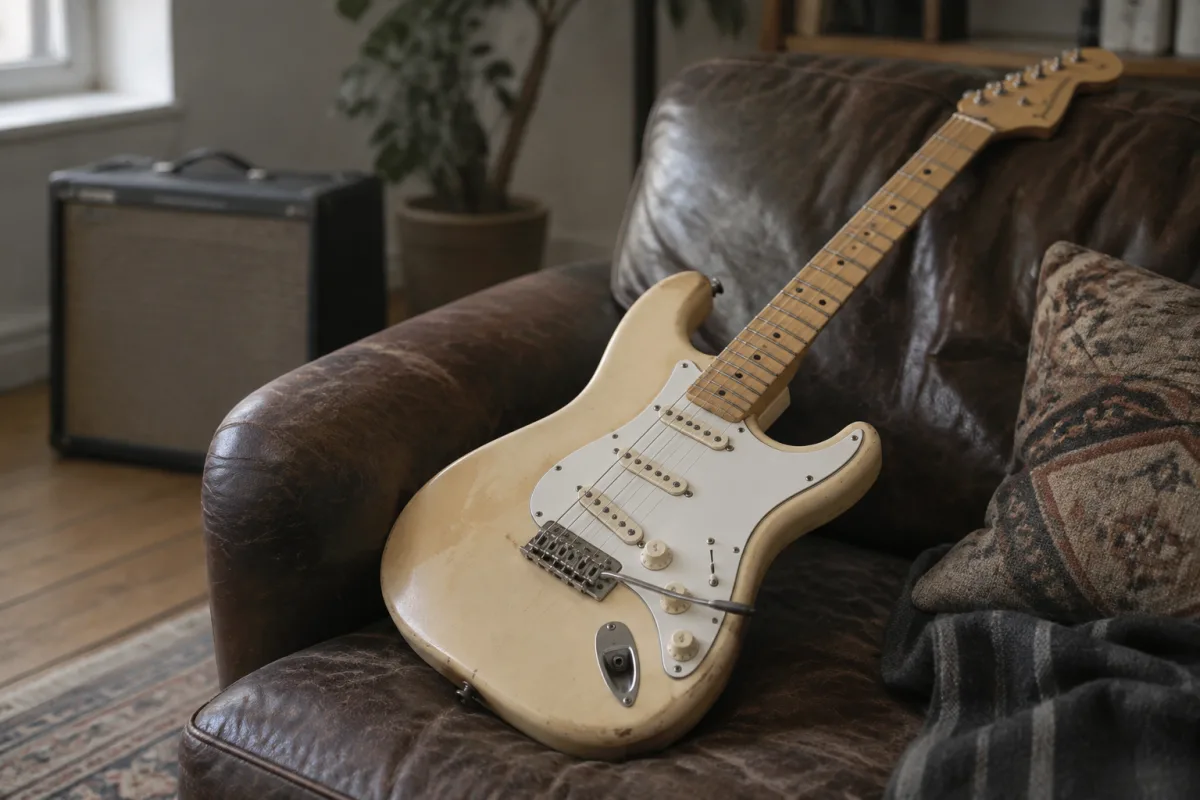
Fender's Classic Series '70s Stratocaster is a fascinating instrument that splits the difference between vintage authenticity and modern playability. When Fender created the Classic Series '70s Stratocaster, they made a calculated decision: reproduce 1970s-era Stratocaster design without the flaws. The result is an instrument that feels authentically vintage whilst actually being reliable and comfortable to play. For players who love the 1970s aesthetic and tone without the frustration of actual 1970s equipment, the Classic Series '70s Stratocaster is genuinely compelling.
Understanding the Classic Series '70s Stratocaster
The Classic Series '70s Stratocaster faithfully recreates the Stratocaster design from the 1970s—an era considered the sweet spot between early innovation and refinement. The Classic Series '70s Stratocaster has features that define 1970s Fender Stratocasters: a three-bolt neck attachment, headstock shape from that era, and pickup designs reflecting 1970s specifications. The appearance is unmistakably retro. The Classic Series '70s Stratocaster looks like it came out of a 1975 studio session.
Fender makes the Classic Series '70s Stratocaster at multiple price points. The American-made Classic Series '70s Stratocaster costs £1,200–1,500 and uses authentic materials and craftsmanship. A Mexico-made version (marketed as the Vintera series) costs £600–800 and offers excellent value. Both are legitimate instruments backed by Fender's warranty and reputation. The choice is primarily about budget and perceived prestige of American manufacture.
Tone Characteristics of the Classic Series '70s Stratocaster
The Classic Series '70s Stratocaster's three single-coil pickups are voiced to evoke 1970s specifications. They're slightly overwound compared to modern single-coils, delivering a warmer, fatter sound with more presence. The Classic Series '70s Stratocaster doesn't have the aggressive bite of a modern Stratocaster; it has the rounded, smoother character that defines 1970s Fender tone. This is genuinely desirable if you appreciate that era's sound.
The neck position of a Classic Series '70s Stratocaster pickup delivers surprising warmth and sustain for lead work. The bridge pickup has presence and cut without shrieking—perfect for rhythm work and clean tones. Position two (neck and middle blended) and position four (middle and bridge blended) give you expressive in-between tones. The Classic Series '70s Stratocaster's three-pickup system offers tonal variety no single-pickup guitar can match.
Playability and Comfort
The Classic Series '70s Stratocaster's neck profile is chunky by modern standards. 1970s Stratocasters had thicker necks than modern equivalents—some players love this, others find it fatiguing. The Classic Series '70s Stratocaster neck feels substantial and characterful, though players accustomed to modern thin necks may need an adjustment period. Try before buying if neck profile matters to you.
The body contours of the Classic Series '70s Stratocaster are ergonomic perfection. The waist of the Classic Series '70s Stratocaster fits your body naturally whether sitting or standing. The arm rest is generous. After ten minutes of playing, the Classic Series '70s Stratocaster disappears into your playing—you stop noticing the instrument and focus on music.
The floating tremolo of the Classic Series '70s Stratocaster is a period-accurate feature. 1970s Fender tremolo systems were functional but not famous for stability. The Classic Series '70s Stratocaster's tremolo works reliably, though some modern players find it less stable than contemporary systems. Locking tuners optional on many models improve tuning stability dramatically. After adding locking tuners, the Classic Series '70s Stratocaster tremolo becomes genuinely stable.
Authentic Details Worth Noting
The three-bolt neck of the Classic Series '70s Stratocaster is period-accurate but less rigid than modern four-bolt designs. This is intentional. The Classic Series '70s Stratocaster neck is designed to feel like a 1970s Fender, including minor characteristics modern designs eliminated. If you purely want maximum stiffness, you might prefer a modern Stratocaster with four-bolt neck. If you want authenticity, the Classic Series '70s Stratocaster delivers it.
The headstock shape is unmistakably 1970s. If you love the blocky, substantial look of 1970s Fender headstocks, the Classic Series '70s Stratocaster delivers. If you prefer the slimmer, more elegant modern headstock, this isn't your guitar. Aesthetics matter, and the Classic Series '70s Stratocaster is unapologetically retro in appearance.
Classic Series '70s vs. Modern Stratocasters
A modern American Stratocaster offers slimmer neck, more stable tremolo, and brighter pickups optimised for current playing styles. The modern Stratocaster is objectively more versatile and easier for many players to control. The Classic Series '70s Stratocaster offers tone, character, and authenticity that modern instruments sacrifice in favour of versatility. The choice depends on whether you prioritise versatility or tone.
Vintage 1970s Stratocasters cost £2,000–4,000+ and often have hidden problems—worn frets, oxidised electronics, damaged necks. A Classic Series '70s Stratocaster costs half as much, sounds wonderful, and doesn't require expensive restoration. You get the 1970s tone and feel without vintage guitar headaches.
Who Should Buy a Classic Series '70s Stratocaster?
If you love 1970s rock, funk, and soul—Nile Rodgers, David Gilmour, Mark Knopfler—and want an instrument that embodies that era's sonic character, the Classic Series '70s Stratocaster is compelling. If you appreciate vintage aesthetics and don't mind a thicker neck, the Classic Series '70s Stratocaster delivers authenticity. If you're a collector interested in Fender's historical designs, owning a Classic Series '70s Stratocaster is worthwhile.
The Classic Series '70s Stratocaster is less suitable for players who want maximum versatility, prefer thin modern necks, or demand modern tremolo stability. If you need a guitar that works everywhere from jazz to metal, a modern Stratocaster serves better. If you prioritise 1970s tone above all else, the Classic Series '70s Stratocaster is worth the investment.
The Bottom Line
Fender's Classic Series '70s Stratocaster is a genuinely excellent instrument that occupies a unique space: it's not as expensive as vintage originals, not as versatile as modern Stratocasters, but it captures 1970s tone and character better than anything else at its price point. If you value authenticity and tone over cutting-edge playability features, the Classic Series '70s Stratocaster rewards your investment. It looks and sounds like a proper 1970s Stratocaster because Fender designed it to. For players who want that specific era's character, it delivers.



Comments