
Fender Squier Electric Bass article
The Complete Guide to Fender Squier Electric Bass
The Fender Squier electric bass offers authentic playability and tone at budget prices. Learn which Squier model suits your style and get started with bass.
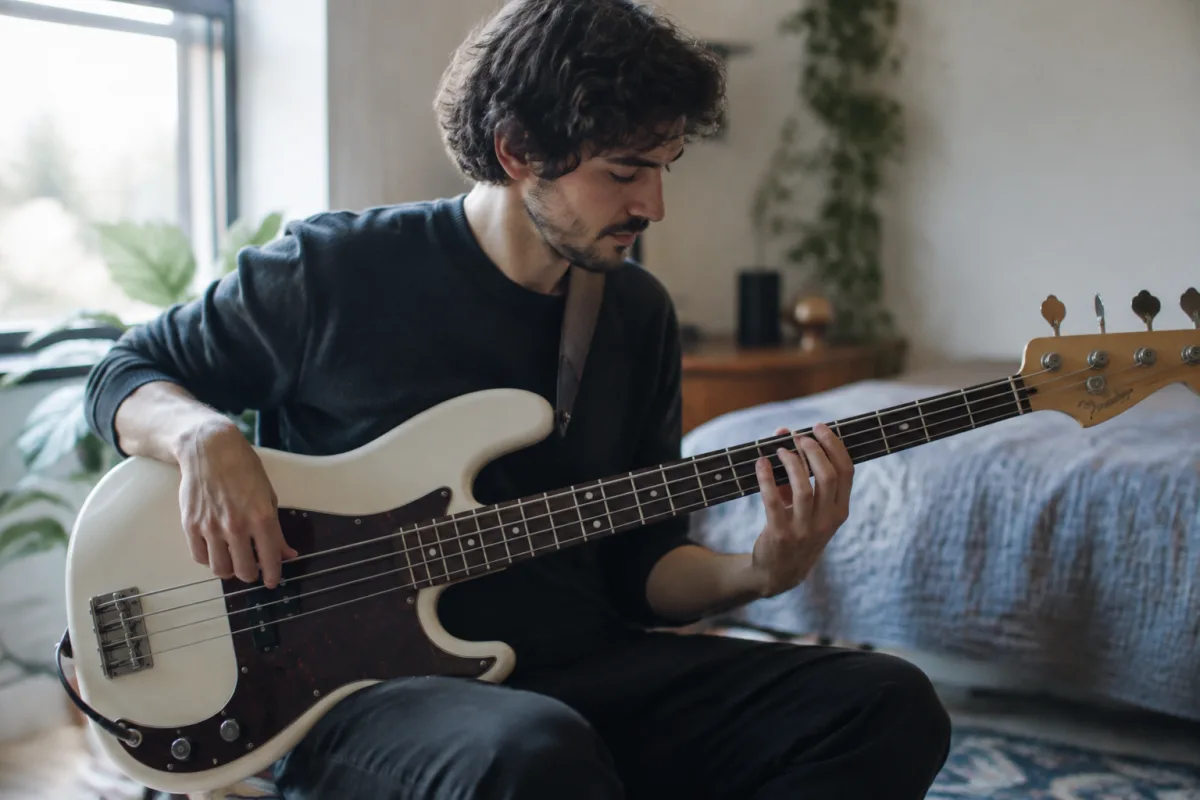
The Fender Squier electric bass represents an exceptional entry point for beginning bass players seeking an affordable, reliable instrument without sacrificing playability or authentic Fender character. Squier's decades of experience manufacturing quality budget instruments means you're not settling for a inferior tool—you're gaining access to genuine bass fundamentals at a price that won't devastate your bank account when you're still learning whether bass is genuinely your instrument. Understanding what Squier offers, how their basses compare to premium Fender models, and which Squier electric bass suits your needs helps you make a confident first purchase.
Why Squier Electric Bass for Beginners and Learners
Starting bass with a premium Fender can cost £700–1,500 upfront, a significant outlay when you're unsure whether you'll play past the first month. A quality Squier electric bass costs £150–350, delivering genuine playability and durability that supports serious learning without the financial risk. Squier basses are built on proper Fender designs—the same body shapes, neck profiles, and pickup concepts that define authentic bass tone—just with more affordable materials and manufacturing processes.
Many experienced musicians recommend starting beginners on affordable instruments for practical reasons. A £200 Squier bass teaches you identical technique to a £1,000 Fender. If you discover bass isn't your passion, a modest Squier holds its secondhand value well enough that you recover most of your investment. If you commit to bass and develop real skill, upgrading to a premium Fender feels rewarding rather than wasteful.
Squier Electric Bass Model Range
Squier structures their bass offering across several tiers and styles, all delivering respectable playability for the price.
The Squier Affinity Precision Bass and Affinity Jazz Bass represent the entry level, priced around £120–180. Both are stripped-down versions of iconic Fender designs, suitable for absolute beginners learning rhythm and technique. An Affinity bass plays well enough for casual practice and open-mic nights, though players quickly outgrow its limitations as their technique demands more.
The Squier Classic Vibe series aims at musicians seeking vintage character at budget prices. The Classic Vibe '60s Precision Bass and Classic Vibe '60s Jazz Bass replicate legendary Fender designs from the height of bass innovation, offering thicker bodies, richer tone, and construction quality that feels substantially more premium than Affinity models. Prices range £300–400, positioning them as credible intermediate instruments that satisfy casual players indefinitely.
Squier's Contemporary series caters to modern players seeking contemporary aesthetics and modern hardware. The Contemporary Active Precision Bass and Contemporary Jazz Bass include active onboard electronics that boost tone clarity and versatility, appealing to funk, fusion, and modern rock players. Prices sit around £400–450, offering professional-standard features at consumer-friendly cost.
The Paranormal series experiments with unconventional body shapes and pickup configurations, appealing to players seeking distinctive character and vintage/modern fusion. These models run £350–450 and attract players who want personality alongside affordability.
Comparing Squier to Premium Fender Electric Bass
| Aspect | Squier Electric Bass | Fender Electric Bass | Key Difference |
|---|---|---|---|
| Price range | £120–450 | £700–1,500+ | Squier is 40–70% cheaper |
| Body material | Basswood or poplar | Alder or ash | Premium woods sound richer, age better |
| Pickups | Squier-designed | Fender Custom Shop or USA | Fender pickups are hand-wound, more nuanced |
| Tuning stability | Adequate, especially Modern | Superior, holds tuning longer | Premium hardware and precision manufacturing |
| Playability | Good, varies by model | Excellent, consistent | Fender invests in fret crowning and nut work |
| Resale value | Holds 50–60% for mint condition | Holds 60–80% for mint condition | Premium brands retain value longer |
The practical truth: a Squier electric bass is a genuine bass guitar, not a toy. Professionals play Squier basses on recordings and in venues, particularly the Classic Vibe and Contemporary lines. The primary difference is materials (woods, hardware, pickups), which impact tone character and longevity rather than your ability to learn or play gigs.
Key Specifications When Choosing a Squier Electric Bass
Neck profile affects comfort. Squier offers various neck profiles—thinner modern C profiles suit smaller hands and faster playing; chunkier vintage U profiles appeal to players with larger hands or classic tone preferences. Visit a shop and play several profiles if possible; neck comfort is personal.
Scale length is nearly universal—most Precision and Jazz basses use the 34" standard scale, which feels natural for most players. Squier's Mustang Bass uses a 30" short scale, ideal for younger players or musicians with smaller frames. Shorter scales feel more comfortable under the fingers but lose a touch of sustain.
Active vs. passive electronics divides contemporary Squier basses. Passive models (Classic Vibe) offer warm, traditional tone shaped by a simple tone control. Active models (Contemporary) include an onboard preamp that boosts treble and bass, offering more tonal flexibility and cut-through in dense band mixes. Beginners benefit from active electronics' forgiving tonal range.
Body comfort matters during long practice sessions. Jazz Bass bodies feel slimmer and more ergonomic; Precision Bass bodies feel chunkier and offer more sustain. Try both and trust your gut—you'll spend hours holding this instrument.
Getting Started With a Squier Electric Bass
Purchasing your Fender Squier electric bass is only the beginning. Budget for essential additions: an amplifier (even a small 20-watt practice amp costs £80–120), a strap, spare strings, and a case or gig bag for protection. Many retailers bundle beginner packages offering modest savings—a complete Squier bass setup typically costs £300–500 including amp and accessories.
Invest in a proper setup after purchase. A luthier or experienced bass tech can adjust the neck relief, bridge saddle height, and nut to optimise playability and intonation—typically £80–150 well spent. A properly set-up Squier plays better than a neglected premium Fender.
Consider lessons or online tutorials. Bass fundamentals—technique, rhythm, learning to read tabs, building finger strength—matter far more than your instrument's price point. A Squier bass responds perfectly to dedicated practice and proper instruction.
Conclusion
The Fender Squier electric bass remains the wise choice for beginners and budget-conscious players learning bass fundamentals. Modern Squier basses—particularly the Classic Vibe and Contemporary lines—deliver authentic Fender DNA at a fraction of premium cost, enabling you to explore whether bass is genuinely your instrument without excessive financial risk. With a proper setup and committed practice, a Squier electric bass supports your development through early proficiency and beyond, proving that price and playability need not move in lockstep.


Comments