


Mustang Bass Squier Buying guide
Mustang Bass Squier: A Complete Buyer's Guide
A practical buyer's guide for selecting a Squier Mustang Bass. Understand specifications, model variants, and what to check before making your purchase.
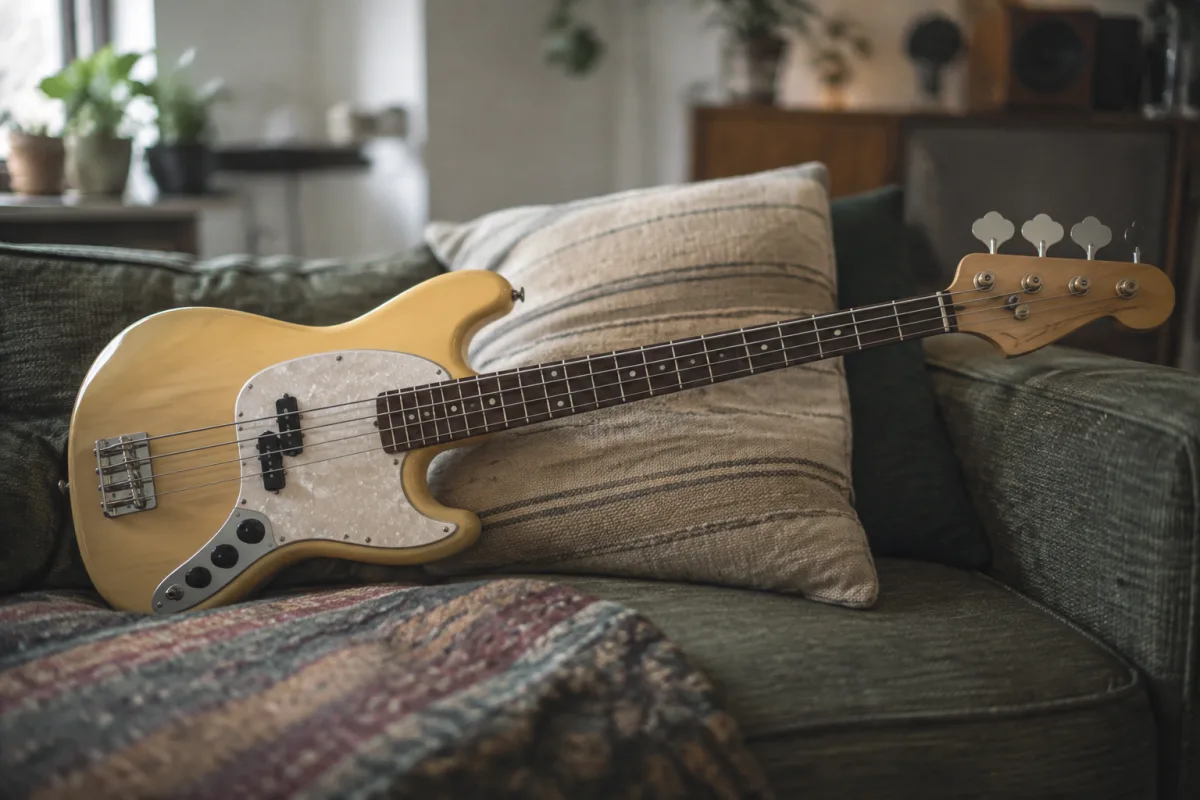
The Squier Mustang Bass represents excellent value for players seeking a compact, easy-to-play bass guitar with genuine vintage style. If you're considering buying a Mustang Bass Squier, you're looking at an instrument that delivers character and playability at a price point that makes sense for beginners, backup players, and players with smaller hands alike. This guide covers the essential considerations to help you select the right Squier Mustang Bass for your specific needs.
Understanding What You're Buying
The Squier Mustang Bass is based on Fender's classic Mustang Bass design, featuring a shorter 30-inch scale compared to the standard 34-inch bass scale. This distinction is fundamental to your buying decision, as it affects playability, tone, and the type of player for whom this bass works best.
- Shorter scale advantage: The 30-inch scale makes the Squier Mustang Bass ideal for players with smaller hands, younger players, and those transitioning from guitar. Fret spacing is closer, making stretches easier.
- Tone implications: Shorter scales produce slightly tighter, punchier tone compared to longer-scale basses. This works well for rock, pop, and funk styles.
- Price positioning: As a Squier-branded instrument, you're getting Fender's design expertise filtered through a budget-conscious manufacturing approach.
Key Specifications to Compare
When evaluating different Squier Mustang Bass models, focus on these specifications:
- Body wood and construction: Entry-level models typically use affordable hardwood bodies, whilst higher-end Squiers might feature ash or alder. The wood choice affects resonance and sustain. Inspect the body for cracks, warping, or poor finish quality.
- Neck quality: Examine the neck for straightness and proper relief. A twisted or overly bowed neck reduces playability and requires expensive repair. Squier necks vary in thickness and profile; play several to find the one that feels most comfortable in your hand.
- Fretwork and intonation: Run your finger along the frets to check for uniformity. Uneven frets cause intonation problems and buzzing. Quality fretwork is worth paying slightly more for.
- Hardware quality: Bridges, tuning machines, and strap buttons vary. Better hardware resists corrosion and holds adjustment longer. Check that tuning machines turn smoothly and that the bridge sits flush against the body.
- Electronics and pickup options: Different Squier Mustang Bass models come with different pickup configurations. Single-coil pickups offer brightness and definition; humbucker pickups provide warmth and noise reduction.
Squier Mustang Bass Model Variants
Squier produces several Mustang Bass variants at different price points:
- Sonic series: Budget-friendly option ideal for beginners and players on tight budgets. Delivers surprising playability and tone for the price.
- Classic Vibe series: Higher-end Squier offering with improved components, vintage aesthetics, and better overall build quality. Recommended for serious players.
- Contemporary series: Modern design and features, sometimes offering upgraded electronics and finishes.
Each series targets different players. Beginners might start with a Sonic; experienced players upgrading from a full-scale bass might prefer a Classic Vibe for its superior construction.
Price Tiers and Budget Guidance
Squier Mustang Bass instruments fall into distinct price brackets:
- Entry tier (£150-£250): Basic Sonic series models suitable for absolute beginners. Adequate playability and sound, but expect limitations in hardware quality and finish.
- Mid-tier (£250-£400): Classic Vibe and some contemporary options offering significantly better build quality, improved pickups, and superior playability.
- Premium tier (£400+): Specialised versions, limited editions, or models with upgraded components. Often includes better electronics and hardware.
Common Buying Pitfalls
Protect your investment by avoiding these frequent mistakes:
- Ignoring scale length considerations: The 30-inch scale is a feature, not a limitation, but it's not ideal for everyone. Ensure this scale length suits your hand size and playing style before committing.
- Overlooking playability assessment: Some Squiers arrive with poor factory setup. Play the bass before buying, or confirm you can return it if playability issues emerge.
- Assuming all Squiers sound identical: Component variations and finish quality significantly impact tone. Don't assume a cheaper model sounds only marginally worse than an expensive one.
- Neglecting inspection for defects: Check for fret sprout, nut damage, finish cracks, and hardware defects. These issues compound over time and become expensive repairs.
- Forgetting about setup costs: A new bass often requires professional setup (£40-80). Factor this into your budget.
- Buying purely on aesthetics: The vintage look of a Mustang Bass is attractive, but prioritise how it plays over how it looks.
New Versus Used Squier Mustang Bass
Second-hand Squiers offer exceptional value if carefully chosen. A well-maintained used Squier Mustang Bass from 5-10 years ago often plays and sounds superior to a new entry-level model. When buying used, inspect for fret wear, check that all hardware is present and functional, confirm the neck hasn't been damaged, and verify the electronics work properly. If you're inexperienced at spotting problems, have a knowledgeable bassist inspect the instrument before purchasing.
Setup and Adjustment After Purchase
Factory setup on budget instruments can be hit-or-miss. After purchasing a Squier Mustang Bass, consider having a professional set it up. A proper setup ensures correct string height, intonation stability, and comfortable playability. This investment pays dividends in both tone and playing pleasure.
Comparing Against Alternatives
When deciding on a Squier Mustang Bass, consider how it compares to standard 34-inch basses and other short-scale options. The Squier Mustang Bass excels for players who specifically want the shorter scale, vintage design, and affordable entry point. For comprehensive model information and detailed specifications, consult the complete guide to the Squier Mustang Bass.
Making Your Purchase with Confidence
A Squier Mustang Bass is an excellent choice for the right player. By understanding the short scale's implications, comparing specifications carefully, inspecting for defects, and factoring in setup costs, you'll make a purchase that serves you well. Whether you're a beginner discovering bass, a player with small hands, or someone seeking a compact backup instrument, the right Squier Mustang Bass offers genuine value and vintage style.


Comments