


Squier Telecaster roundup
The Best Squier Telecasters for the Money
The Squier Telecaster range spans affordable entry-level to seriously playable mid-tier, and there's no dud in the line-up. Here's which model delivers best bang for your budget.
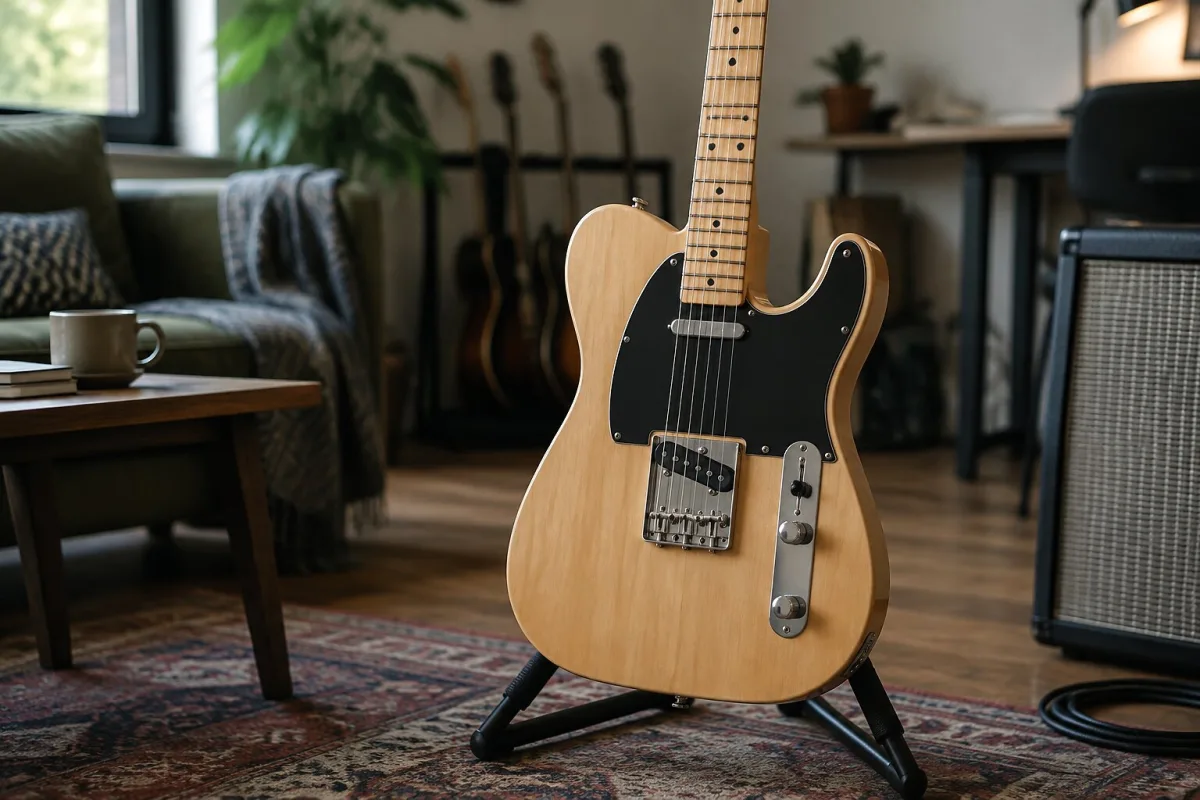
If you're in the market for a solid-body electric that delivers that signature Telecaster twang and snap without the Fender price tag, you're looking in the right place. The range spans from absolute bargain-basement to seriously playable mid-tier, and there's no dud in the line-up. The trick is knowing which model delivers best bang for your budget and what you're actually getting for your money. This guide steers you through the options by price tier and playing style, so you can zero in on the one that's right for you.
Best Budget Entry: The Sonic Series
The Sonic is the gateway guitar—lightweight, uncomplicated, and affordable enough that you're not risking much if you change your mind. You get the classic Tele body shape, two single-coil pickups, a three-way selector, and a working hardtail bridge. The pickups are ceramic, which means bright and direct output—not warm or vintage, but clear and punchy through an amp.
The body is thin, which cuts weight and appeals to younger players or anyone who's tired of a heavier instrument. The neck is slim, good for speed, potentially tight if you've got bigger hands. The bridge is a straightforward six-saddle hardtail, making intonation adjustment simple. For the price—typically £180–220—you're getting access to the Telecaster design and a guitar that can genuinely keep up with you as you improve.
This series is best for beginners who don't want to commit big money, players trying out the Tele shape for the first time, and anyone who gigs occasionally and wants a low-replacement-cost backup. The trade-off is that the finish is thin, the frets may need dressing, and you should budget for a professional setup immediately after purchase.
Best All-Rounder: The Affinity Series
The Affinity sits in the practical sweet spot. You get most of what the Sonic offers—the same body and basic design—but with hardware upgrades that make a real difference. The tuners are sealed die-cast, holding tuning more reliably. The bridge is often string-through-body, anchoring the strings through the body rather than over the bridge saddle, which tightens sustain and response. The overall assembly feels more refined, and the guitar plays more naturally out of the box.
At £280–330, this series costs maybe £60–80 more than a Sonic, but you get noticeably better playability for that money. The pickups are still ceramic singles, so you're not getting upgraded tone, but the feel and hardware precision jump. If you're past the absolute beginner phase but not ready to buy a Fender, Affinity is where most serious hobby players land.
This model suits hobbyists, gigging musicians on a budget, and anyone who wants a reliable, playable instrument without the Fender price. Many professionals use Affinity guitars as backup instruments because they're solid and the resale value is stable. If you're going to play regularly—even just at home—Affinity rewards your commitment more than Sonic does.
Best for Vintage Tone: Classic Vibe Series
If you've got a taste for vintage country, blues, or classic rock, Classic Vibe channels that era-specific character. These guitars are styled to evoke the '50s, '60s or '70s—whichever appeals to you—and the specifications back up the aesthetic. The bridge is often a three-saddle vintage design, the pickups are voiced for that rounder, warmer character (alnico rather than ceramic), and the body contours and neck profile lean toward the original.
You're paying more—typically £380–450—but you're getting authentic vintage vibes that a Sonic or Affinity simply don't offer. If your heroes are Muddy Waters, Buddy Holly, or Link Wray, this series is the closest you'll get to their tone without spending triple the price on a genuine vintage or a Fender Custom Shop.
This series is best for players who know exactly what era and tone they're chasing, blues and country enthusiasts, and anyone who values the look and feel as much as the sound. It's overkill if you're playing modern indie rock or punk, where Sonic or Affinity serves you better.
Best for Modern Tone: Contemporary Series
Contemporary flips the script toward modern rock, punk, and alternative. The pickups are hotter—higher output for gain pedals and driven amplifiers—and some models include humbucking pickups instead of single-coils, thickening the tone and killing single-coil hum. The fingerboard radius is flatter (12 inches rather than 9.5), friendlier for leads and bending. The body contours are modern, and the overall vibe is 21st century, not vintage.
Prices typically run £420–550, so you're paying a premium over Affinity. But if you're chasing modern rock, hard rock, or aggressive alternative tones, this series gets you there in a way Classic Vibe never could. The hotter electronics handle pedals and distortion better, and the flatter radius suits lead playing more comfortably.
Buy Contemporary if you're primarily a lead player, if you use effects and distortion, or if your tone heroes include modern rock musicians. Skip it if you're all about clean tone and chord work—you won't use the extra output, and you're paying for features you don't need.
Best Value Overall: Affinity vs Sonic Comparison
If you're torn between Sonic and Affinity, here's the calculus: the Sonic costs roughly £50–80 less. But Affinity's superior hardware and refined feel probably save you £50–80 in setup costs and adjustment fees down the road. The Affinity will likely play decently out of the box; the Sonic will almost certainly need professional fret work and intonation adjustment.
For most players, Affinity is the better value. You're spending slightly more upfront but getting a guitar that plays and feels better immediately, saving setup costs and frustration. Sonic is defensible only if your budget is genuinely tight and you're 100% uncertain about sticking with guitar.
Best for Specific Genres
Country and blues
Classic Vibe is the obvious choice—the vintage voice and three-saddle bridge slot naturally into that world. If budget is tight, Affinity still delivers that iconic snap; it just won't feel as period-correct.
Punk and indie rock
Sonic or Affinity work perfectly here. The direct, punchy ceramic pickups suit punk's aggressive attack, and the lightweight body won't slow you down on a packed stage. Skip Classic Vibe—the vintage voice is wasted on punk.
Modern rock and hard rock
Contemporary is purpose-built for this. The hotter pickups, flatter radius, and modern electronics handle gain and distortion confidently. Sonic or Affinity can work, but they're not optimised for it.
Worship and clean tones
Any model in this range works here—all of them deliver that clear, articulate single-coil voice that sits beautifully in a mix. Affinity is the sweet spot for playability and reliability. Skip Contemporary's hot pickups; they're overkill for clean tones.
What Sets Them Apart
The differences between Sonic and Contemporary models are not just cosmetic. Pickup output, bridge design, fingerboard radius, body weight, and neck profile all contribute to how the guitar feels under your hands and how it responds to your playing. Sonic is honest and direct—it won't get in your way. Contemporary is dialled in for specific sonic demands—lead playing, effects, modern tone. Classic Vibe is unapologetically retro—it prioritises aesthetics and vintage character.
Your job is to match the series to your actual playing style and tone priorities. If you can't decide, Affinity is the safest bet—it's a competent, playable guitar across all genres and playing styles.
The Real Winner
The best model is the one you'll actually play. If you're tempted by the vintage vibes of Classic Vibe but you're really a punk player at heart, you won't touch it—you'll gravitate to Sonic or Affinity because it matches your actual taste. Similarly, if you're chasing modern tone but you're skint, Affinity will deliver most of what you need without Contemporary's higher price.
Play several models before you buy. Feel the neck, listen to the pickups through an amp, and trust your gut. The specs matter less than whether you actually enjoy picking the guitar up every day.
FAQ
- Which Squier Telecaster sounds best?
- There is no objectively best Squier Telecaster sound—it depends on your genre and tone priorities. A Classic Vibe sounds warmest and most vintage. A Contemporary sounds hottest and most modern. A Sonic or Affinity sits in the middle with that classic Tele snap. Play all of them and pick the one that moves you.
- Is a Squier Telecaster loud enough for gigging?
- Yes. Any Squier Telecaster through a decent amp delivers enough output and presence for a gig. Sonic and Affinity work fine; if you're using heavy effects or distortion, a Contemporary's hotter pickups give you more headroom, but it's not essential.
- Can you play blues on a Sonic Squier Telecaster?
- Absolutely. A Sonic Squier Telecaster's ceramic pickups are bright and punchy, which suits blues just fine. They don't sound vintage, but vintage tone is not mandatory for blues. A Classic Vibe sounds more authentically vintage, but plenty of blues players use Sonic and Affinity models.
- What's the difference between a Squier Sonic and a Squier Affinity Telecaster?
- The Affinity Squier Telecaster has better tuners, often a string-through bridge, and overall more refined hardware. The Sonic is lighter and cheaper. Both deliver the Tele voice; Affinity feels better and plays more easily out of the box.
- Should I upgrade a Sonic Squier Telecaster or save for Affinity?
- If you're going to keep a Sonic Squier Telecaster long-term and play regularly, upgrade the pickups and get a pro setup—total cost maybe £100–150. If you're uncertain, save the extra money and buy Affinity instead. You'll enjoy it more and upgrade costs won't haunt you.
- Is the Classic Vibe Squier Telecaster worth the extra cost?
- Yes, if you're genuinely into vintage tone and aesthetics. No, if you're playing modern music and just want a cheap Tele. The extra money pays for vintage-oriented pickups and design details that matter only if you care about vintage character.
- Can you record with a Squier Telecaster?
- Yes, absolutely. Plenty of professional recordings feature Squiers. An Affinity or Classic Vibe records cleanly and is entirely suitable for album work. With a decent mic and preamp, a Squier Telecaster's tone translates excellently to the recording.
- Which Squier Telecaster model is best for metal or heavy rock?
- Honestly, a Squier Telecaster is not ideal for heavy metal—humbucking guitars are more conventional in that genre. But a Contemporary Squier Telecaster with humbuckers (if available) or a Sonic/Affinity with heavy distortion can work. You're fighting the guitar's natural character a bit; a budget Strat or offset might serve you better.




Comments