


Semi Hollow Guitar Body Buying guide
Semi Hollow Guitar Body: A Complete Buyer's Guide
Complete buying guide to semi hollow guitar bodies. Understand construction, compare price tiers, and avoid common purchasing mistakes.
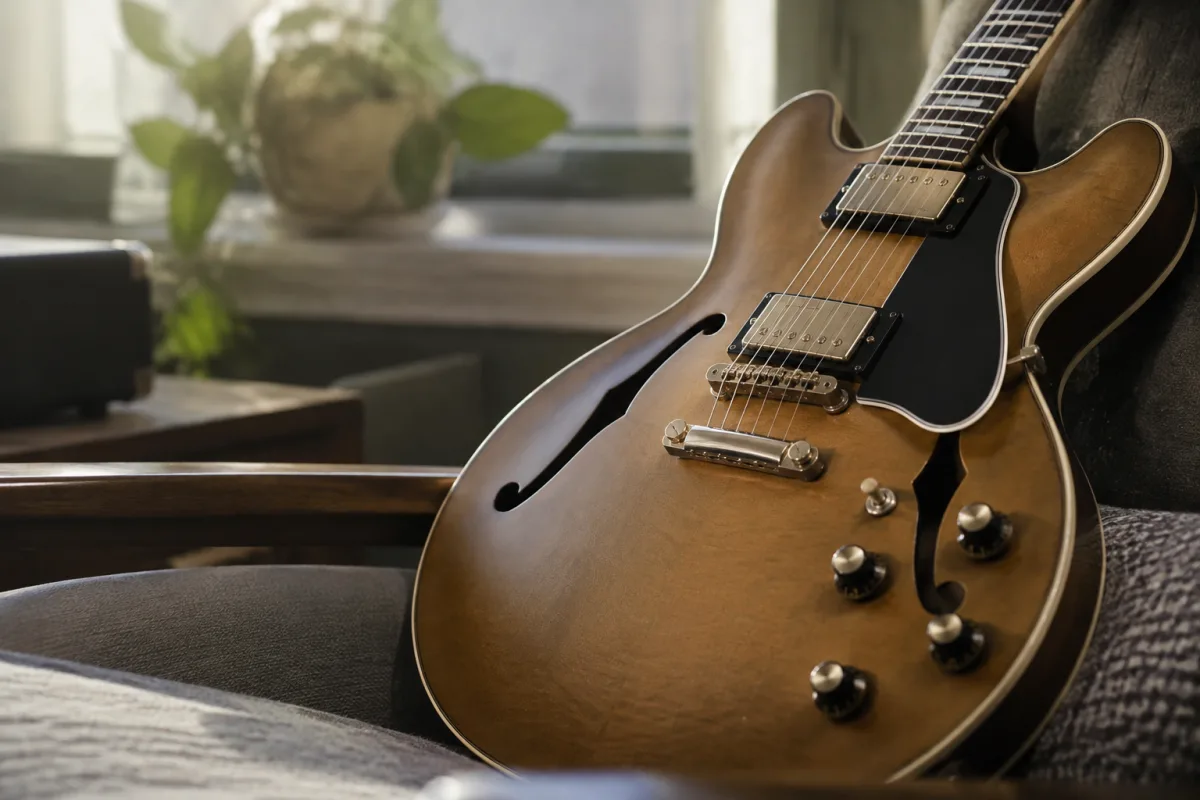
When you're shopping for a semi hollow guitar body, you're entering a middle ground between solid-body electrics and fully hollow acoustics. This hybrid approach offers its own distinct advantages—and demands its own considerations. Whether you're upgrading from a solid-body electric or exploring new sonic territory, understanding what makes a quality semi hollow guitar body is essential to finding an instrument that serves your playing style and budget. This buying guide will walk you through the key specifications, pitfalls to avoid, and the price tiers you'll encounter.
Understanding Semi Hollow Construction
Before selecting a semi hollow guitar body, understand what you're actually buying. A semi hollow guitar body features a solid centre block of wood running through the middle, with hollow chambers on either side. This design sits between the brightness and sustain of solid-body instruments and the resonance and feedback resistance of fully hollow guitars. The semi hollow guitar body construction affects tone, feedback control, and playability in ways that matter for specific genres and situations. Acoustic resonance makes these instruments sing beautifully, yet the centre block provides stability and sustain that pure acoustic designs don't offer.
Wood Quality and Species
The wood used in your semi hollow guitar body directly affects tone and durability. Expect premium semi hollow guitar body instruments to feature select tonewoods like maple, mahogany, or spruce. Entry-level models might use veneer over plywood, which affects resonance and longevity. When evaluating a semi hollow guitar body, ask specifically what wood comprises the top, back, and sides. Consistent grain without major knots or damage signals quality. The semi hollow guitar body's wood should feel substantial and not overly light—exceptionally light bodies often indicate inferior materials. Request to see the instrument's back and sides; reputable manufacturers proudly display the wood quality of their semi hollow guitar body designs.
Chamber Size and Design Variations
Not all semi hollow guitar body designs are identical. The size and shape of the hollow chambers significantly impact tone and feedback characteristics. Larger chambers generally produce warmer, more resonant tones—ideal for jazz and blues players. Smaller chambers offer tighter response with less feedback—better for rock and experimental playing. When shopping for a semi hollow guitar body, clarify the specific chamber configuration. Some designs feature f-holes like acoustic guitars; others use solid tops with internal chambers. A well-designed semi hollow guitar body balances resonance with feedback rejection, allowing you to play at stage volumes without unwanted noise.
Hardware and Electronics Specifications
Quality hardware transforms a decent semi hollow guitar body into a professional instrument. Examine the tuning machines—they should be sturdy and reliable. Check the bridge: is it a traditional fixed bridge or a floating design? The semi hollow guitar body's bridge quality affects tuning stability and sustain. Look at the output jack—it should feel solid and properly sealed. Electronics matter too: quality pickups make enormous difference in tone. Higher-priced semi hollow guitar body models feature hand-wired electronics and premium pickups; budget options might use economy pickups that require upgrading. Factor electronics into your budget if you're considering a semi hollow guitar body upgrade.
Price Tiers and What You Get
Semi hollow guitar body options span a broad price range. Entry-level models (£300-600) offer good playability and recognisable semi hollow character. These budget semi hollow guitar body instruments work fine for learning but might require upgrades later. Mid-range semi hollow guitar body guitars (£600-1,500) represent the sweet spot for most players—decent wood, reliable hardware, and character that lasts. Premium semi hollow guitar body instruments (£1,500-3,000+) feature exceptional materials, hand-crafted touches, and electronics that shine. Vintage semi hollow guitar body models can command even higher prices. Determine your budget first, then research what specific semi hollow guitar body models deliver value at that price point.
Tone Characteristics to Listen For
When testing a semi hollow guitar body, listen critically. Plugged in, does it sustain notes well? Good sustain indicates quality construction and proper centre-block design. Unplugged, can you hear the acoustic resonance? A quality semi hollow guitar body produces obvious acoustic tone. Play the same chord in different positions—does it feel balanced? Uneven response suggests construction problems. Test feedback by cranking the amp moderately—a well-made semi hollow guitar body resists feedback even at volume. Play through a wah pedal or effects—does the semi hollow guitar body respond musically? These listening tests reveal far more than specifications alone.
Common Pitfalls to Avoid
- Ignoring playability: A bargain semi hollow guitar body with rough frets or high action will frustrate you endlessly. Always play before buying.
- Underestimating feedback issues: Cheap semi hollow guitar body designs might wrestle with feedback at performance volumes. Test this before committing.
- Assuming vintage equals quality: Old doesn't automatically mean better. Inspect vintage semi hollow guitar body instruments carefully for cracks, warping, or damaged electronics.
- Overlooking setup requirements: A new semi hollow guitar body often needs professional setup. Budget for this expense if purchasing budget models.
- Choosing based on aesthetics alone: A pretty semi hollow guitar body that plays poorly is just an expensive decoration. Tone and playability come first.
- Neglecting to check resale value: Certain semi hollow guitar body brands hold value better than others. This matters if you might upgrade later.
Testing Before You Buy
Always play a semi hollow guitar body before purchasing, whether online or in-shop. Check fret condition by running your finger along the neck. Test intonation at the 12th fret. Make sure the semi hollow guitar body neck sits straight and doesn't have twist or bow. Listen for buzzing frets or loose electronics. Try various pickup selections. If buying online, ensure there's a return policy that lets you test the semi hollow guitar body at home before committing.
For deeper exploration of semi-hollow guitar technology and detailed model reviews, visit our comprehensive guide to semi hollow guitar bodies, which covers tone-shaping techniques and advanced playing methods.
Making Your Purchase Decision
Choosing the right semi hollow guitar body means balancing budget, tone preferences, playability, and intended use. Don't rush the decision—try several instruments and compare them directly. A quality semi hollow guitar body becomes a trusted companion for years of playing. Invest thoughtfully, and you'll have an instrument that rewards your commitment with beautiful tone and reliable performance.


Comments