


Seagull Electric Guitar article
Seagull Electric Guitar for Beginners: A Complete Guide
Seagull guitars are known for being beginner-friendly and playable out of the box. This guide covers what makes them great starter instruments and how to begin your journey.
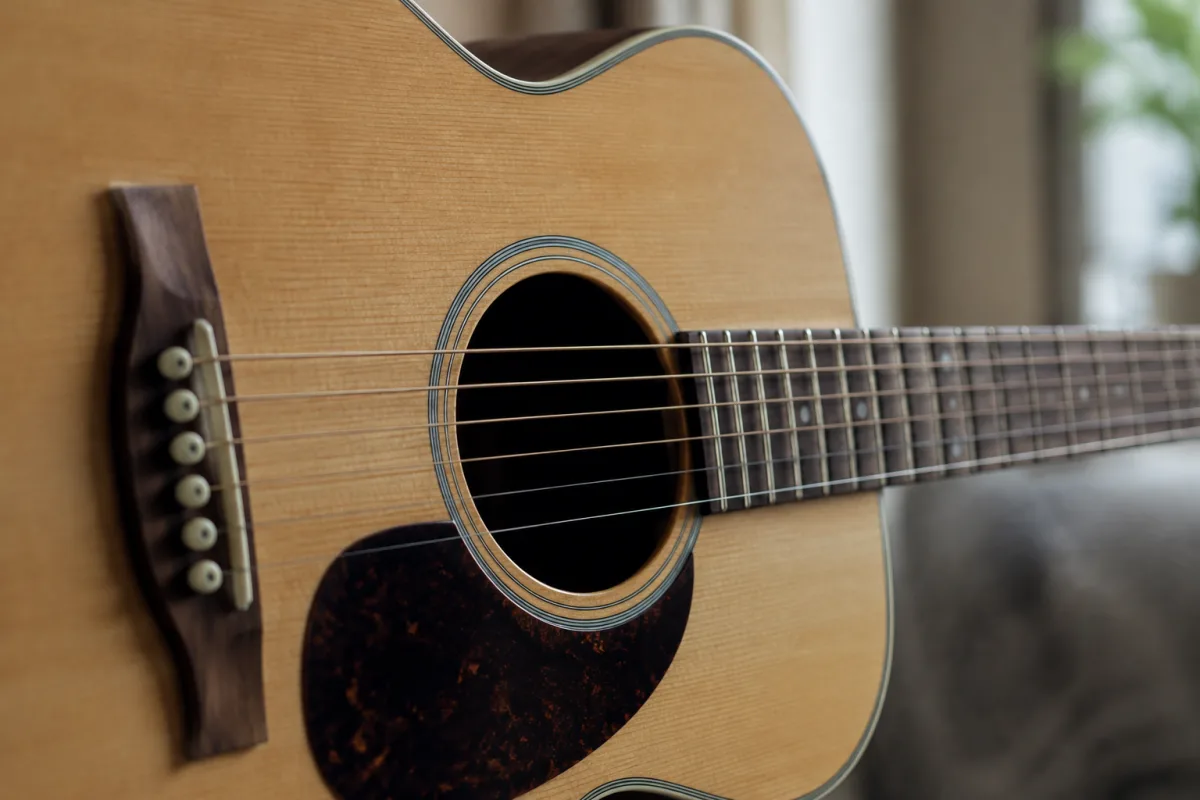
Seagull Guitars for Beginners: Your First Steps
Seagull guitars have a reputation for being kind to beginner fingers—they're well-made, reasonably priced, and actually fun to play from day one. If you're just starting out and want to avoid the frustration of a poor-quality instrument that fights you at every turn, a Seagull can be exactly what you need. This guide is for the nervous first-timer, covering what makes Seagull guitars beginner-friendly, what to expect, and how to get started without overwhelm.
Why Seagull for a Beginner?
Seagull is a Canadian maker known for doing one thing well: affordable acoustic guitars that don't feel cheap. A beginner Seagull guitar costs £150–300, which is modest money, but the instrument doesn't punish you with harsh tone or painful playability. The company focuses on acoustic guitars (no electrics from Seagull), which is actually ideal for a beginner—you learn without amplification, hear your actual playing, and build muscle memory without electronic distractions. A Seagull beginner guitar also holds resale value reasonably well, so if you discover after three months that guitar isn't for you, you won't lose much money.
The Entry-Level Seagull Range
Seagull's beginner lineup is small and focused. The S6 Original (around £200–250) is the classic entry point—a spruce-top, mahogany-bodied acoustic with a comfortable neck and warm tone. The Entourage and Performer models sit higher (£300–500) and add nicer finishes and slightly more refined electronics, but they're not beginner-only instruments. For your first Seagull, the S6 Original is the honest choice—it's not overpowered or fancy; it's simply a decent guitar that gets out of your way.
First Things First: How a Seagull Guitar Feels
Many beginners expect their first guitar to feel expensive or delicate. A Seagull doesn't. It feels like a working instrument. The body is solid spruce and mahogany (real wood, not plywood), but it's not precious-seeming. The neck is straight and comfortable—most beginners can wrap a hand around it without strain. String action (height) on a Seagull is set for playability, which means slightly higher than an expensive guitar might be, but that's actually helpful when you're building strength. Your fingers will hurt less after a session, which means you're more likely to pick it up again tomorrow.
Playability Out of the Box
This is where Seagull earns its reputation. Open a new Seagull guitar from the box, and it usually plays well. The frets are level, the action is reasonable, and the intonation is stable. You don't need an immediate £100 setup. That's rare for budget guitars—most budget brands arrive needing work. A Seagull lets you plug in (metaphorically), play, and learn. After three months, a professional setup (£60–100) will fine-tune it, but that's maintenance, not rescue.
Tone: What to Expect
A Seagull guitar has a warm, clear tone—not thin or tinny. The spruce top produces brightness and projection; the mahogany body adds warmth. Beginners often worry that a budget guitar will sound "bad" and kill their motivation. A Seagull doesn't sound bad—it sounds like a legitimate acoustic guitar, just not as refined as a £1,500 Martin or Taylor. For learning, that's more than enough. You'll hear yourself clearly, which is essential for building ear training. As your skills grow, you can listen to a Seagull with fresh ears and decide later whether you want to upgrade.
Size and Comfort
Seagull makes most beginner models in full-size (dreadnought), which suits average to large hands. If you're a teenager or have small hands, ask about the S6 or smaller Performer models—some are slightly undersized. Sit down, hold the Seagull, and check that the body doesn't feel too wide or the neck too thick. Comfort matters more than brand at this stage; a happy grip means more practice time.
Strings and Initial Maintenance
A new Seagull guitar typically arrives with bronze-wound strings, which are standard and last 3–6 months with casual playing. Expect finger soreness for the first two weeks—that's normal and temporary. A soft cloth, a simple soap-and-water wash once a month, and a humidifier in winter (to prevent drying cracks) are all the maintenance a beginner needs. Don't oil the fretboard or adjust the truss rod yourself; leave those to a tech.
Learning Without Frustration
A guitar that's hard to play kills motivation. Cheap guitars often have high action (painful to press), poor intonation (sounds wrong no matter what you do), or a neck that bows unpredictably. A Seagull won't do any of that, which means your early weeks of learning are about your hands improving, not fighting the instrument. That psychological difference is huge. You're more likely to stick with it.
The First Year Roadmap
| Timeline | What Happens | Cost/Action |
|---|---|---|
| Week 1 | Unbox, play, expect finger soreness | £0 |
| Weeks 2–4 | Learn open chords (Em, Am, G, D) | £0 (or £10 for a lesson book) |
| Month 2–3 | Fingers toughen, chord transitions smooth | £0 |
| Month 3–6 | Learn fingerpicking, minor scales | £0–50 (optional lessons) |
| Month 6–12 | First full songs, developing ear | Professional setup (£60–100) |
What You Don't Need Right Away
Don't buy a capo, tuner, and stand in your first week—actually, do buy a tuner (£10 digital one is fine) and a soft stand (£20–30). But don't buy fancy picks, don't upgrade strings yet, and don't assume you need an expensive gigbag. The Seagull probably came with a basic gig bag; it's fine. Resist the temptation to buy tons of accessories hoping they'll make you sound better. They won't. Your fingers and practice time make you sound better.
Common Beginner Questions Answered
Will my Seagull stay in tune? Yes, reasonably well—better than budget brands. Will it sound "cheap"? No; it sounds warm and clear. Will my fingertips toughen up? Yes, within 2–3 weeks the soreness fades. Do I need to change the strings? Not for 3–6 months; the factory strings are fine. Will I outgrow it? Maybe, but that's OK; you can sell it or keep it as a second guitar.
When to Upgrade
After a year of steady playing, you'll know if a Seagull fits your voice. Many beginners find they love it and keep it. Others, especially those drawn to electric guitar or specific genres (fingerstyle, classical, flamenco), might want something different. The beauty of starting with Seagull is you can make that choice from experience, not guesswork. And your Seagull will resell easily.
Getting Started: Action Steps
Buy a Seagull S6 Original online or from a music retailer (around £200–250). Get a digital tuner (£10), a soft stand (£20–30), and a cleaning cloth (£5). Tune it, sit down, and start with YouTube beginner tutorials (free). Expect sore fingers for two weeks. Play every day, even if just 15 minutes. At month three, if you're still into it, invest in a lesson (£30–50) to check your technique. At month six, get a professional setup (£60–100). That's it. Simple path, solid instrument.
Bottom Line
A Seagull guitar won't let you down as a first instrument. It's well-made, sounds genuine, feels comfortable, and costs less than a decent ukulele. Start here, build your confidence, learn to play, and let your taste develop naturally. In a year, you'll know whether guitar is your thing—and you'll know it on a guitar that didn't make you suffer. For the fuller story about Seagull's heritage and model range, check out the Seagull guitar guide covering the brand in depth.
FAQ
Is a Seagull guitar good for a complete beginner?
Yes, absolutely. Seagull guitars are designed to be beginner-friendly—playable out of the box, warm-sounding, and durable. They're one of the safest first-guitar choices at any price.
How long before my fingertips stop hurting?
Usually 2–3 weeks if you play every day. The soreness is normal and means your fingertips are building calluses. Once they harden, you barely feel the strings.
Do Seagull guitars stay in tune?
Yes, reasonably well. A Seagull won't wander out of tune between songs. You'll tune it daily during practice, which is normal for acoustic guitars.
What's the difference between a Seagull S6 and a Performer?
The S6 is the beginner entry point with a simple finish. The Performer adds nicer aesthetics and slightly better electronics (built-in pickup for amplification). Both are beginner-suitable; the S6 is the budget option.
Can I use a Seagull guitar for fingerstyle?
Yes. The warm tone and solid spruce top make it nice for fingerstyle, though specialised fingerstyle guitars (nylon-strung) are even better. A Seagull works for both strumming and picking.
Should I buy a Seagull new or secondhand?
New is fine—Seagulls are affordable enough that you're not risking much. Secondhand is cheaper but demands inspection (check for cracks, fret wear, tuning stability). A new one has a warranty.
Will a Seagull guitar last if I'm a beginner?
Yes. Seagull guitars are built to last decades with normal care. You won't damage it by learning on it. Treat it gently (avoid extreme humidity and drops), and it'll be reliable for years.
Do I need a capo and tuner from day one?
A tuner yes (£10 digital one); a capo not immediately (£5–10, buy later if you want it). Everything else can wait until you're sure you're sticking with guitar.


Comments