


Seagull Acoustic Guitar article
Seagull Acoustic Guitar for Beginners: A Complete Guide
If you're considering a Seagull acoustic guitar as your first instrument, you've already identified one of the smartest choices available for beginners. This guide walks you through what makes Seagull acoustic guitars special and what to expect as a beginner player.
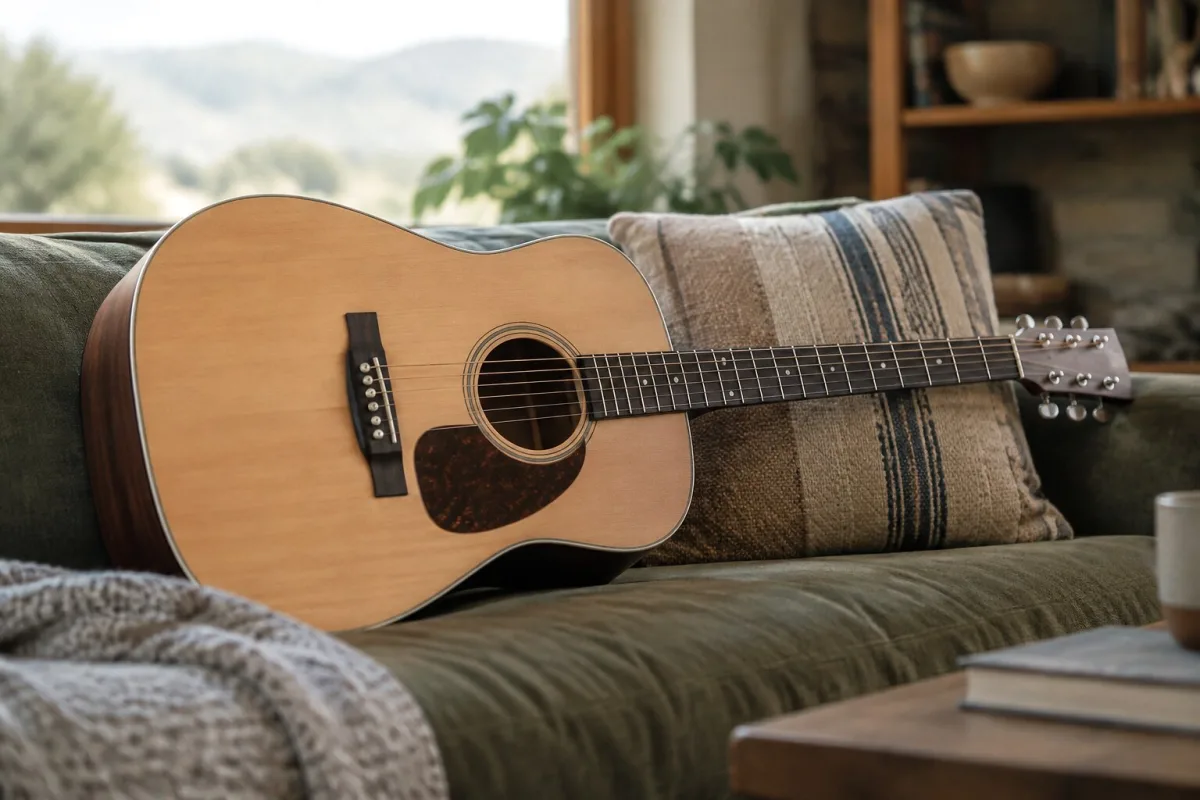
If you're considering a Seagull acoustic guitar as your first instrument, you've already identified one of the smartest choices available for beginners. Seagull guitars are built for players who want quality and reliability without the premium price tag, making them ideal for someone just starting their musical journey. This guide walks you through what makes Seagull acoustic guitars special, how to get the most from your first one, and what to expect as a beginner player.
Why Seagull Acoustic Guitars Are Beginner-Friendly
Seagull is a Canadian manufacturer with a reputation for building tough, well-balanced instruments at reasonable prices. Their acoustic guitars are manufactured to exacting standards using solid wood rather than laminate — a quality usually reserved for more expensive guitars — which means your Seagull will sound richer and improve as it ages, something cheaper plywood instruments won't do.
For beginners, this matters because you're investing in something that won't feel cheap and won't discourage you with poor playability. Many players who start with a Seagull keep it for years, even after they've upgraded to premium instruments. The guitar simply holds up and sounds good.
Seagull designs also prioritise comfort. The bodies are slightly smaller than some full-sized acoustics, and the necks are finished smoothly, so your hand doesn't feel pinched or irritated during practice. These are small details that make the difference between enjoying practice and dreading it.
Entry-Level Seagull Models Worth Considering
Seagull offers several beginner-oriented models, each with slightly different character:
- Seagull S6 Original: The iconic model — warm, rich tone from a solid spruce top. It's the most popular Seagull for beginners because it offers professional-grade sound without professional-grade complexity.
- Seagull Entourage Spruce: A newer model with slightly deeper bass and an easier-playing neck. Great if you have smaller hands or want a more forgiving action.
- Seagull Maritime SWS: A solid satin-finish guitar that's both durable and affordable. Perfect if you're worried about the instrument taking knocks during your learning phase.
All of these sit in the £250–400 range — a sensible beginner budget — and any of them will serve you brilliantly for several years of learning.
Getting Your Seagull Acoustic Guitar Set Up Properly
When you bring your new Seagull home, the first step is tuning and basic setup. All guitars need a few adjustments to play their best, and this is especially important when transitioning from factory settings to your playing environment.
Have your guitar professionally set up if possible. A luthier (guitar specialist) will check the action — the height of the strings above the fretboard — and adjust it to comfortable levels for a beginner. They'll also check intonation, the nut, and the neck. This costs around £30–50 and makes an enormous difference to how enjoyable your Seagull is to play. If a properly set-up Seagull still feels uncomfortable, a poorly set-up expensive guitar would feel worse.
Until you get it to a professional, at minimum: tune it properly with a tuner (digital tuners cost around £10), and play each string while checking that it doesn't buzz against the frets. Some buzzing is normal, but if it's excessive, the action might be too low and needs attention.
Building Your Practice Foundation
A Seagull acoustic guitar is ideal for fingerpicking — using your fingertips to pluck individual strings rather than using a pick. Because Seagull necks are smooth and comfortable, this playing style feels less tiring on your hands than it might on some other acoustics. However, you can absolutely learn strumming with a pick as well.
Start with open chords (E Major, A Major, D Major) just as you would on any acoustic guitar. The Seagull's forgiving playability means you'll likely find chord changes easier than on a cheaper, less well-built guitar. Practise switching between chords smoothly, then attempt simple three-chord songs.
A Seagull acoustic is also excellent for learning fingerpicking patterns. The nylon strings (which you can swap on any acoustic that'll accept them) are gentler on developing fingertips than bronze-wound steel strings, so consider asking your setup technician about this if finger soreness is a concern early on.
Maintenance and Care for Your Seagull
Acoustic guitars are tougher than they look, but they do respond to climate. Seagull guitars are built with quality wood, and wood expands and contracts with humidity changes. Keep your guitar in a case when not in play, away from direct sunlight and extreme temperature swings.
Your strings will wear over time — usually every 3–6 months depending on how often you play. Seagull's bronze-wound strings are available anywhere and are inexpensive (around £15 per set). Restringing is a good skill to learn yourself, and there are countless tutorials online.
Wipe down the fretboard and body with a soft, dry cloth after each session to keep dust and sweat from building up. Once every few months, use a proper guitar cleaning cloth (they're cheap) with a touch of lemon oil on the fretboard to keep the wood nourished. Avoid harsh cleaners or water — gentle is always the rule.
Playing Styles That Shine on Seagull Acoustic Guitars
If you're drawn to folk, singer-songwriter material, or classical music, a Seagull is an excellent choice because it has the tonal warmth these styles demand. The guitar also works well for blues and Americana. If your dream is to play rock or pop, an electric guitar might suit you better, though acoustic versions of rock songs sound wonderful on a Seagull's balanced tone.
Many famous fingerstyle players — artists like Ed Sheeran and John Mayer — recorded their early material on humble acoustic guitars. A Seagull is a genuinely capable instrument for that level of playing, which means you're not outgrowing it in six months. This matters psychologically: you feel like you're using "a real instrument" from day one.
Common Beginner Questions About Seagull Acoustics
Some newcomers wonder whether a Seagull's solid wood construction makes it fragile. It doesn't — solid wood is actually more durable than laminate. What it means is that the guitar responds better to climate, so keep it in a case and away from extremes.
Others worry about the cost compared to budget brands. The reason Seagull costs a bit more is that you're paying for longevity. A cheap guitar often sounds disappointing and plays poorly, leading you to quit. A Seagull sounds good from day one, which keeps you motivated.
Many also ask whether they need to upgrade quickly. You don't. A Seagull acoustic guitar can easily be your companion for 5–10 years of learning, gigging locally, and enjoying music. Only upgrade when you genuinely want a different sound or style, not because you feel forced to.
Your Seagull acoustic guitar is a reliable, encouraging instrument for a beginner's journey. It looks great, feels comfortable, sounds warm, and will last. For more insight into different acoustic guitar models and how they compare across the range, explore our comprehensive guide to Seagull acoustic guitars.


Comments