


Schecter 7 String article
The Complete Guide to Schecter 7 String
Schecter has built a credible reputation in the 7-string guitar market, delivering playable extended-range instruments at prices that don't demand serious financial commitment. Their thoughtful engineering makes them worth considering whether you're exploring seven-string playing for the first time or adding to an established collection.
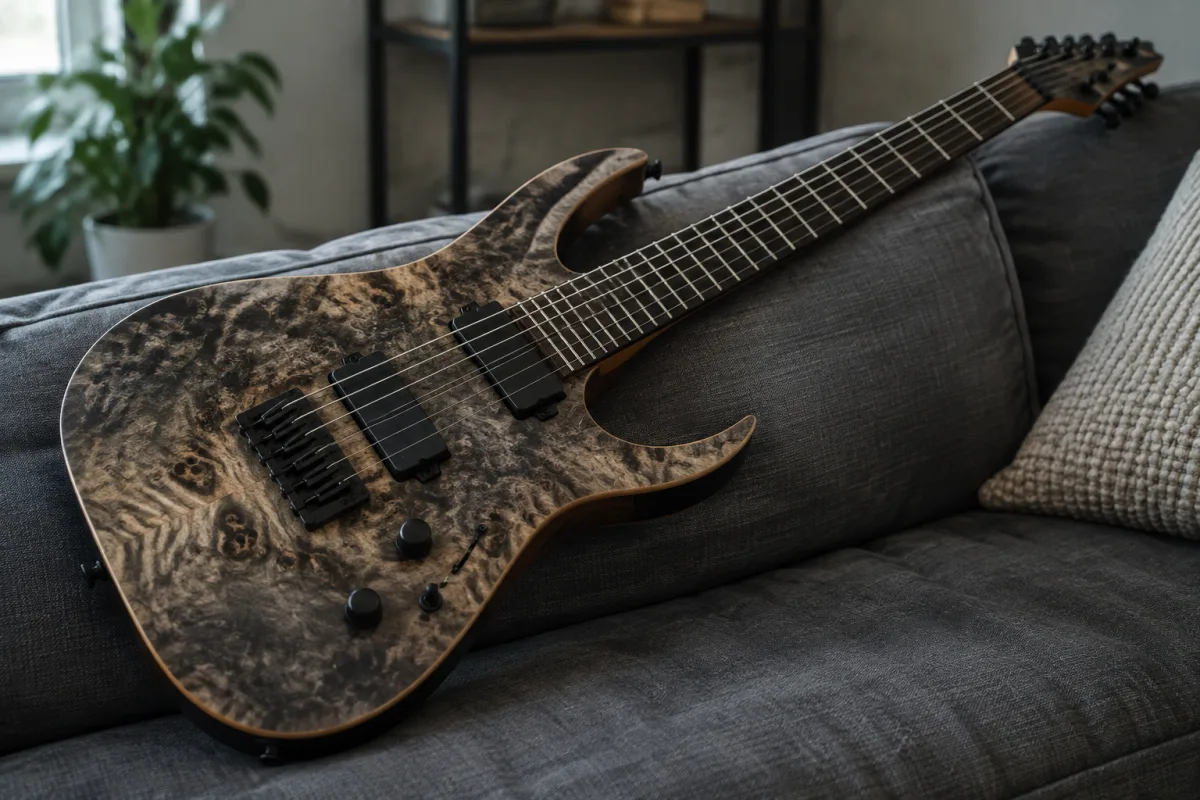
What Makes Schecter 7-String Guitars Stand Out
Schecter has carved out a reputation for building 7-string guitars that balance accessibility with serious performance capability. Whether you're exploring extended-range playing for the first time or you've been playing seven strings for years, Schecter's range offers something worth considering. Their 7-string instruments deliver clarity, playability, and sonic flexibility at prices that don't demand a second mortgage.
The Schecter 7-String Lineup Overview
Schecter produces several 7-string models across different price points and design philosophies. The company's commitment to the extended-range market shows in how thoughtfully they've designed each instrument. From their entry-level offerings to their premium models, each guitar reflects genuine consideration for what modern players actually need.
The brand's 7-string guitars typically feature:
- Mahogany or basswood bodies for warm, balanced tone
- Through-body or set-neck construction depending on the model
- Active or passive electronics to match your playing style
- Compound radius fretboards that suit both open strings and high frets
- Heavy-duty bridge hardware designed for extended-range stability
Build Quality and Materials
Schecter 7-string guitars are built on the principle that extended-range instruments need extra structural consideration. The wider nut width (typically around 2 inches) accommodates the seventh string without cramping hand position. The fretboard radius compounds progressively—flatter at the nut for open string clarity, more curved higher up the neck where bends happen.
The hardware on a Schecter 7-string is engineered for stability. A heavier bridge keeps the extra-low B string anchored properly, preventing tuning drift. The nut material—usually bone or a quality synthetic—holds intonation across a wider range of string tensions than you'd find on a six-string model.
Body woods vary by model. Mid-range Schecter 7-strings often use mahogany for warmth and resonance, whilst budget models might feature basswood, which offers lighter weight and acceptable tonal balance. Premium models sometimes offer figured tops that look stunning without compromising structural integrity or tone.
Pickups and Electronics
Most Schecter 7-string guitars come with either active or passive pickup systems. Active systems—powered by an onboard battery—deliver consistent output and reduced noise, making them popular with modern metal and progressive music players. Passive systems offer a more organic, traditional tone that responds directly to your playing dynamics.
Schecter typically pairs their 7-strings with pickups designed specifically for extended-range clarity. The goal is maintaining definition on low frequencies whilst preserving treble articulation on the higher strings. Many models feature coil-split capability, letting you switch between humbucker and single-coil tones—useful for exploring different sonic territories with one instrument.
Playability and Comfort
The wider body on a 7-string guitar changes how it sits on your lap and how your arm positions itself. Schecter designs their 7-strings with playability in mind—comfortable cutaways that let you access high frets without awkward contortions. The body depth and weight are carefully considered so extended-range playing doesn't cause fatigue.
The neck profile matters significantly. Schecter offers different profiles across their 7-string range—some with thinner, faster necks suited to technical players, others with beefier profiles for players who prefer more substance under their hand. Trying multiple models is genuinely worthwhile because neck feel is deeply personal.
Tuning Stability and Intonation
A key advantage of Schecter 7-strings is their attention to tuning stability. The locking tuning machines keep the B string locked in without slippage, even under the high tension required for that lower string. Schecter's bridge designs minimise friction at the nut, reducing tuning instability caused by string binding.
Intonation on a 7-string requires careful setup—the extra string adds complexity that cheaper instruments sometimes ignore. Schecter's through-body stringing options (available on some models) and quality bridge saddles help keep intonation tight across the entire range, from the open low B to the high E string.
Value for Money
Schecter 7-string guitars represent solid value compared to boutique alternatives. You're getting legitimate hardware and electronics, decent tonewoods, and professional-grade fretwork without paying the premium you'd expect from a custom shop. A mid-range Schecter 7-string typically costs £500 to £1,000—reasonable for a playable, reliable extended-range instrument.
Budget Schecter 7-strings start around £300 and are genuinely usable, though they lack some refinements of higher-end models. Premium Schecters push toward £2,000, adding features like better woods, superior pickups and more meticulous construction. The sweet spot for most players is the middle range, where you get significant quality for the investment.
Popular Schecter 7-String Models
The Schecter Demon 7 is designed for metal and modern rock—solid entry point with active pickups and aggressive styling. The Hellraiser 7 steps things up with better hardware, through-body stringing and more refined electronics. For players seeking something slightly more understated, the Schecter C-7 offers classic styling with seven-string capability.
The Schecter Sunset 7 balances accessibility with professional features, making it popular with progressive and metal players alike. Higher-end models feature figured tops, locking tuning machines and premium pickup options that appeal to players who've invested years in extended-range playing.
Who Should Choose a Schecter 7-String
A Schecter 7-string makes sense if you're exploring extended-range guitar without wanting to risk a fortune on an unproven format. The brand's proven track record with seven-string design means you're not experimenting with an afterthought model. Musicians transitioning from six-string to seven-string benefit from Schecter's attention to comfort and playability.
Progressive, metal and modern rock players gravitate toward Schecter 7-strings because the brand understands modern music's sonic demands. The electronics, hardware and tonal characteristics suit contemporary playing styles without sounding dated or experimental.
Maintenance and Setup
Schecter 7-strings require the same care as any quality guitar—regular truss rod adjustments as seasons change, occasional nut care and periodic fret dressing if you play hard. The wider neck demands slightly different technique when performing maintenance, but nothing exotic. Standard Allen keys and basic guitar-tech knowledge are sufficient for most upkeep.
Professional setup is recommended when you first receive a Schecter 7-string—a tech will optimise string height, intonation and truss rod relief specifically for your playing style and the instrument's unique geometry. This investment (typically £50 to £150) pays dividends in playability and prevents frustration from a poorly-configured instrument.
Conclusion
A Schecter 7-string guitar delivers genuine capability for extended-range exploration without astronomical cost. The brand's thoughtful engineering, reliable hardware and professional-grade playability make them a credible choice whether you're your first seven-string or adding to an already-diverse collection. The Schecter 7-string philosophy—accessibility paired with serious performance—resonates with modern players seeking instruments that work as hard as they do.


Comments