


Bass Schecter Buying guide
Bass Schecter: A Complete Buyer's Guide
Schecter bass guitars offer solid value at mid-range pricing. This guide helps you understand what Schecter does well, which models suit your needs, and whether they justify investment.
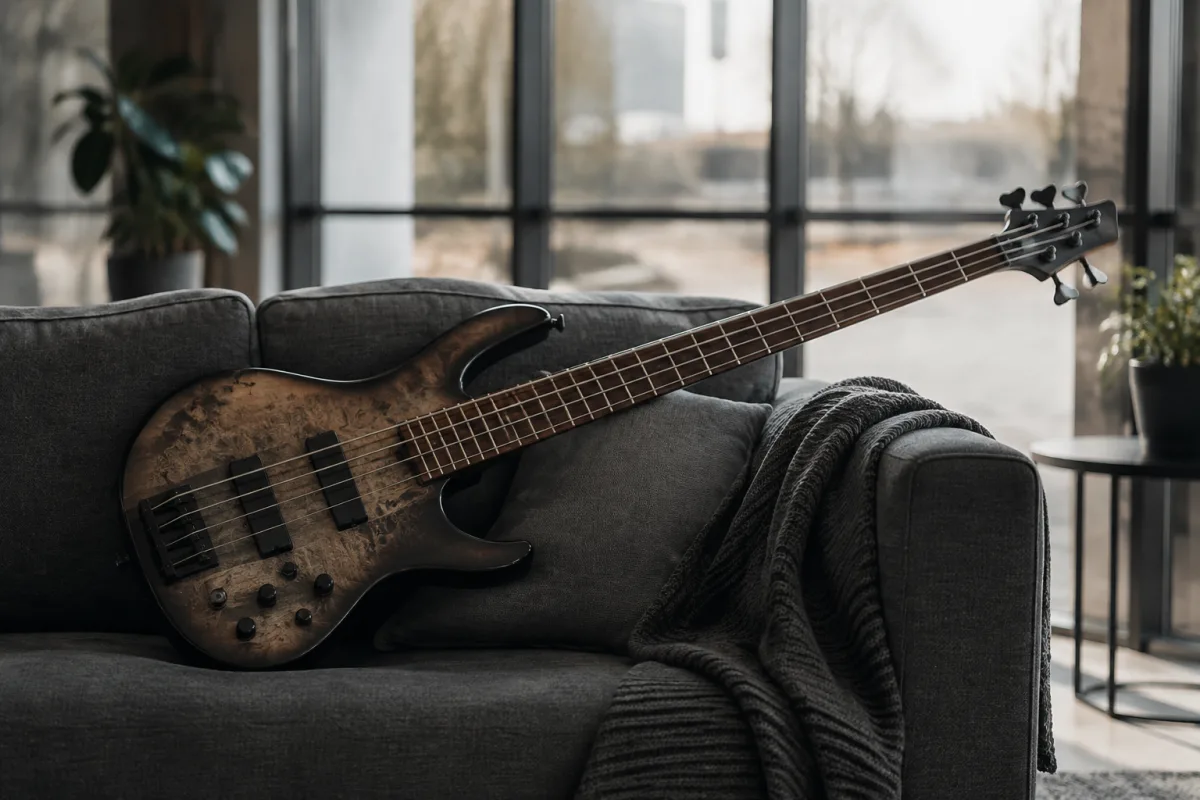
Schecter is known for delivering solid-quality bass guitars at reasonable prices, offering genuine value compared to premium brands. Before investing in a Schecter bass, it's worth understanding what the brand genuinely does well, which models suit different playing styles, and how they compare to alternatives at similar price points. This guide helps you determine whether a Schecter bass fits your needs and budget.
Understanding Schecter as a Bass Brand
Schecter has established a reputation for consistent construction quality and modern design sensibilities. They don't dominate any single market segment but offer reliable instruments across multiple price points. Schecter basses appeal to players seeking professional-quality instruments without premium-brand pricing. The brand balances affordability with legitimate quality, making them popular in working musician circles and recording studios. However, Schecter doesn't have the vintage cachet of Fender or the boutique prestige of higher-end specialists. Understanding what Schecter offers and what it doesn't prevents unrealistic expectations.
Schecter's Core Strengths When Buying
| Strength | Why It Matters | Practical Impact |
|---|---|---|
| Solid Hardware Quality | Bridges, tuning machines, and electronics are reliable and professional | Less maintenance and repair costs; consistent tuning stability |
| Modern Body Designs | Contemporary aesthetics appeal to modern players | Instruments look current and professional on stage |
| Versatile Electronics | Active and passive options with quality pickups | Flexible sound-shaping for various musical applications |
| Reasonable Pricing | Premium quality at mid-range prices | Better value than some competitors; more expensive than budget brands |
| Wide Model Range | Multiple body styles, string configurations, and specifications | Better chances of finding a model matching your preferences |
Key Schecter Bass Models Worth Knowing
Schecter's lineup typically includes several core models: the Stiletto series (modern, pointed body designs with upmarket appeal), the Diamond series (more traditional body shapes), and Exotic Woods models (premium finishes and materials). Entry-level models focus on value and affordability. Mid-range models offer best value with solid construction. Premium models approach boutique pricing with exceptional materials and finishes.
Understanding which series fits your budget and preferences matters more than memorising specific model names. Research current pricing and specifications, as Schecter regularly updates their lineup.
Build Quality and Construction What to Expect
Schecter basses feature solid wood bodies, typically made from alder, mahogany, or ash. Necks are usually bolt-on (removable) or neck-through (more expensive, unified construction). Frets are properly crowned and dressed. Hardware is reliable, not exceptional. Electronics are competent, not revolutionary. The overall build quality is professional and dependable. You won't discover anything remarkable about Schecter basses, but you won't discover disappointing shortcuts either.
This consistency is actually Schecter's greatest strength. You know what you're getting. There's no variation between "good ones" and "bad ones"—they're all reasonably similar in quality.
Sound Character and Sonic Capabilities
Schecter basses sound professional and versatile. They're not known for distinctive sonic character—they're neutral and adaptable to different playing styles. Active electronics on many models offer mid-boost capabilities for modern sounds. Passive models provide classic tone. Neither approach is inherently better; the choice depends on your musical application. Jazz and funk players sometimes prefer passive simplicity. Rock and metal players often prefer active versatility.
Price Tiers and Value Propositions
Budget tier (£400–£600): Entry-level Schecter basses offering legitimate value. Playable, reliable, and professional-sounding. Recommended for beginners and casual players who want quality without premium pricing.
Mid-range tier (£600–£1200): Best value in Schecter's lineup. Solid construction, quality hardware, and electronics that serve professional playing. Excellent choice for working musicians and serious hobbyists.
Premium tier (£1200–£2000+): Exotic woods, upmarket finishes, and enhanced materials. Sound quality improvements are incremental rather than dramatic. Justifiable for professionals prioritising aesthetics and prestige.
Comparing Schecter to Alternatives
Fender basses (particularly Squiers at lower price points) offer vintage appeal but less modern design. Ibanez basses prioritise ergonomics and modern styles similarly to Schecter but sometimes with less consistent quality control. Yamaha basses offer incredible value at budget price points. Higher-end boutique makers offer distinctive tone and craftsmanship at premium prices. Schecter occupies the middle ground: better than most budget brands, more affordable than most premium specialists, more modern than vintage-focused brands.
Common Buying Mistakes to Avoid
First mistake: assuming all Schecter basses sound the same. They don't. Active and passive electronics, different body woods, and pickup selections create genuine sonic variation. Listen to different models rather than assuming they're identical.
Second: neglecting to check neck comfort. Schecter offers various neck widths and profiles. Try different models in person before purchasing. Comfortable necks make practising and performing more enjoyable.
Third mistake: prioritising exotic aesthetics over playability. Some Schecter finishes and body shapes are stunning but uncomfortable to play. Evaluate playability and ergonomics before aesthetic considerations.
Fourth: assuming expensive Schecter models are proportionally better than mid-range models. Premium models offer improved materials and finishes, but sonic improvement is incremental. Mid-range Schecter basses often offer better value than premium models.
Hardware Reliability and Maintenance
Schecter's hardware is professional-quality and requires minimal maintenance. Tuning machines hold tuning reliably. Bridges are robust and stable. Active electronics are solid. You won't need extensive setup or repairs beyond normal instrument maintenance. This reliability reduces ownership cost and frustration.
Making Your Purchase Decision
Identify which Schecter models fit your budget and playing style preferences. Read reviews focusing on playability, sound quality in your specific genre, and long-term reliability. Play multiple models in person if possible to confirm neck comfort and ergonomic fit. Consider whether you prefer active or passive electronics based on your musical application. Evaluate aesthetic preferences honestly—beautiful instruments inspire practice and performance.
Purchase from reputable retailers offering good warranty coverage and return policies. Schecter's consistency means any model from an authorised dealer should meet quality expectations.
For comprehensive information on Schecter bass guitars, their models, specifications, and technical details, see our complete guide to bass Schecter.
Final Perspective on Schecter Basses
Schecter basses represent solid value in the mid-range market. They're professional-quality instruments for reasonable prices, offering consistency and reliability. They're not iconic or trendsetting, but they're genuinely competent. If you want a bass that plays well, sounds professional, looks contemporary, and doesn't demand premium pricing, Schecter delivers. If you're seeking vintage character, boutique prestige, or exceptional sonic distinctiveness, look elsewhere. Choose based on actual needs and preferences, not brand prestige.


Comments