


Schecter Guitars Telecaster Buying guide
Schecter Guitars Telecaster: A Complete Buyer's Guide
Schecter Guitars Telecasters offer solid quality at better prices than Fender. This buying guide reveals what to check before purchasing.
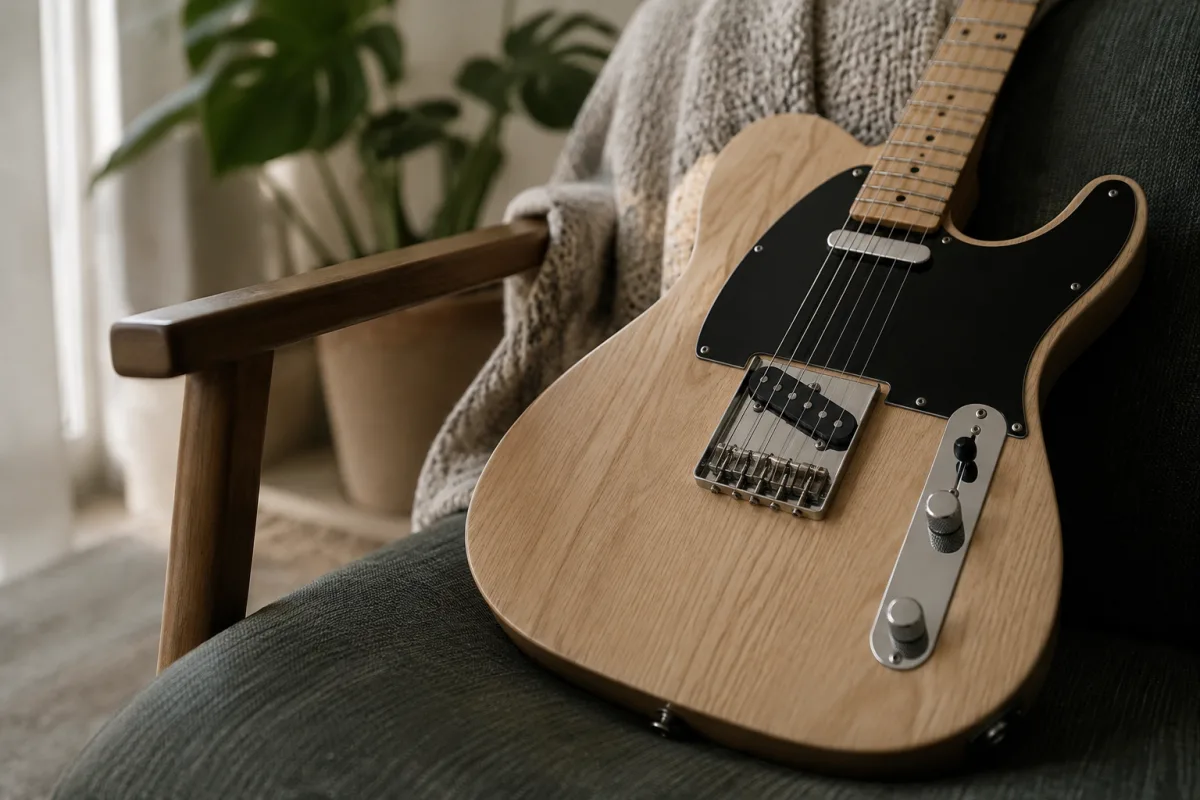
A Schecter Guitars Telecaster combines Schecter's reputation for quality with the Telecaster's iconic design, creating guitars that suit rock and alt players on various budgets. Buying a Schecter Guitars Telecaster means understanding the build quality to expect at your price point, what specs matter for your playing style, and whether a Schecter Guitars Telecaster justifies its cost compared to alternatives.
Schecter's Telecaster Philosophy
Schecter makes guitars known for solid construction and value. A Schecter Guitars Telecaster stays true to the original Telecaster concept — single-coil pickups, slab body, minimalist electronics — but adds Schecter's attention to hardware quality and neck feel. These guitars appeal to players who want Telecaster simplicity without paying premium prices for a Fender original.
Schecter Guitars Telecaster Models and Price Ranges
Schecter offers several Telecaster models across price brackets:
- Entry-level (£150–300): Budget-friendly, solid for beginners and learners. Build quality is honest but corners are cut on hardware and electronics.
- Mid-range (£300–600): The sweet spot. Better pickups, nicer hardware, comfortable neck. A Schecter Guitars Telecaster here offers genuine value and professional playability.
- Premium (£600+): Premium finishes, upgraded electronics, hand-finished details. Prices approach Fender territory; you're paying for craftsmanship and exclusivity.
For most buyers, mid-range Schecter Guitars Telecaster models offer the best value. Entry-level works for practise; premium models suit collectors or touring musicians.
Build Quality and Wood
Schecter sources solid alder or ash bodies for most Telecasters. Alder is lighter and provides a balanced tone; ash is denser, brighter and heavier. At lower price points, some Schecter Guitars Telecaster models use laminated wood or cheaper alternatives, so check the specification.
The neck on a Schecter Guitars Telecaster is typically hard maple with a comfortable modern profile (not vintage thin). This feels good in hand and resists twisting over years. At entry-level prices, neck quality sometimes drops, so inspect carefully if buying used.
Pickups: Single-Coils and Variations
A traditional Telecaster has two single-coil pickups. Most Schecter Guitars Telecaster models follow this pattern. Single coils sound bright and punchy, ideal for twang, surf and rock.
Some Schecter Guitars Telecaster models offer humbuckers (thicker, warmer pickups) or a humbucker in the neck and single-coil in the bridge (a hybrid setup). These variations appeal to heavy rock and metal players. Know which pickup configuration you want before buying; it's difficult and expensive to change later.
Hardware and Electronics
The hardware on a Schecter Guitars Telecaster (tuning machines, bridge, strap buttons) affects tuning stability and feel. Mid-range and premium models use quality hardware that holds tuning well and feels solid. Entry-level hardware is functional but looser and less refined.
Electronics (pots, switches, wiring) matter more than you'd think. A scratchy volume pot or unreliable switch ruins an otherwise good Schecter Guitars Telecaster. Premium models have reliable electronics; budget models sometimes develop issues.
Neck Profile and Playability
Before you buy a Schecter Guitars Telecaster, handle one if possible. Schecter offers modern C and U-shaped neck profiles. Modern profiles are comfortable for most players; vintage profiles (narrower) suit classic players or those with smaller hands. The profile can make or break your enjoyment of a Schecter Guitars Telecaster.
Fret quality matters too. Well-levelled frets on a Schecter Guitars Telecaster support clean playing; uneven frets cause buzzing and dead spots. Premium models have better fretwork; budget models sometimes need adjustment after purchase.
Schecter Guitars Telecaster vs Fender
A Fender Telecaster costs roughly double a similar-tier Schecter Guitars Telecaster. The Fender name, resale value and brand heritage justify the cost for some. A Schecter Guitars Telecaster offers nearly identical playability and tone at a discount, making it the smarter choice for budget-conscious players.
The real difference: Fender's consistency and support. A Fender Telecaster from 2020 will resemble one from 2010. A Schecter Guitars Telecaster varies more between models. Quality control is solid but less perfect than Fender's.
Common Buying Mistakes
Avoid these when buying a Schecter Guitars Telecaster:
- Judging solely by price: A £500 Schecter Guitars Telecaster is not automatically better than a £300 model. Compare specs, not sticker price.
- Ignoring pickup choice: Single-coils vs humbuckers determine tone more than anything else. Know what you want before buying.
- Skipping the playability test: Visit a shop and play the Schecter Guitars Telecaster. Neck feel and fret quality matter more than specs on paper.
- Assuming you need premium: A mid-range Schecter Guitars Telecaster suits 95% of players. Premium models are beautiful but overkill for learning.
- Forgetting resale value: A Fender Telecaster retains value better than a Schecter Guitars Telecaster. If resale matters, account for this cost.
Which Schecter Guitars Telecaster Should You Buy?
If you're budget-conscious and want a playable Telecaster, a mid-range Schecter Guitars Telecaster (£300–500) is an excellent choice. The quality is genuine and you'll enjoy playing it. Entry-level works for strict beginners; premium models suit collectors or professionals.
Choose based on pickup preference (single-coils for classic tone, humbuckers for rock), handle the guitar in person if possible, and check that hardware and electronics feel solid. A well-chosen Schecter Guitars Telecaster will serve you well for years. For deeper context on Telecaster history and styles, explore our complete guide to Schecter Guitars Telecasters.


Comments