


12 String Rickenbacker Buying guide
12 String Rickenbacker: A Complete Buyer's Guide
Selecting a 12 string Rickenbacker requires understanding construction quality and 12 string technique demands. This guide helps you decide wisely.
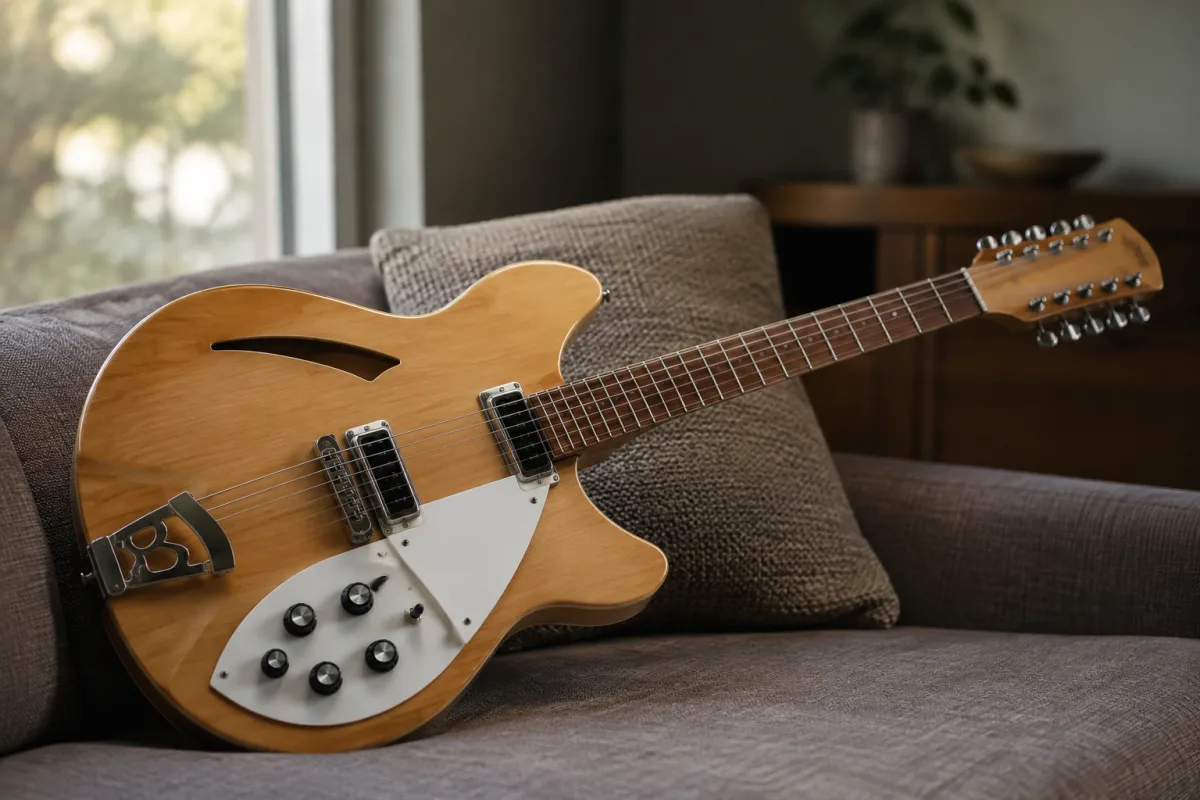
Selecting a 12 string Rickenbacker requires understanding what separates professional instruments from budget alternatives. The 12 string Rickenbacker is an investment in vintage-inspired design paired with modern reliability. This guide helps you navigate the purchasing decision with realistic expectations about construction quality, tone characteristics, and value proposition.
Understanding 12 String Guitar Characteristics
Twelve string guitars produce distinctive jangly, shimmering tone through dual strings per note (except bass strings, typically single). A 12 string Rickenbacker delivers this characteristic with particular brilliance due to Rickenbacker's pickup design and construction. Before committing to any 12 string, understand whether this tone suits your music:
- Ideal For: Folk, alternative rock, indie, jangle pop. Genres where bright, resonant tone creates artistic foundation. Solo finger-style and rhythmic strumming showcase 12 string characteristics perfectly.
- Less Ideal For: Heavy rock, metal, blues requiring sustain and attack. Standard 6 string Rickenbackers serve these genres better. Acoustic 12 strings exist if you prefer unplugged sound.
Construction Quality and Materials
Rickenbacker maintains strict build standards. Examine these factors before purchasing:
- Body Construction: Quality 12 string Rickenbackers use semi-hollow construction with binding and quality finish. Budget alternatives sometimes use inferior wood or single-piece bodies. Inspect the body finish for quality and uniformity.
- Neck and Fretboard: Rickenbacker necks are traditionally set-neck construction (glued, not bolted). Check that frets are level and properly crowned. A well-maintained 12 string Rickenbacker frets cleanly without buzz across all positions.
- Hardware and Electronics: Rickenbacker pickups are signature components. Examine that volume/tone controls feel responsive, switch positions click definitively, and output quality is consistent across pickup selections.
Playability Considerations
12 string guitars require different technique than 6 string instruments:
- Neck Width: 12 strings demand wider neck spacing to avoid muting adjacent strings. Most Rickenbackers accommodate this adequately, but hand size matters. If your hands are small, test a 12 string Rickenbacker extensively before purchasing.
- String Tension: 12 strings create significantly higher overall tension than 6 strings. Your fretting hand fatigues faster initially. Budget additional practice time for technique development. This tension also demands robust neck construction—a benefit of quality Rickenbackers.
- Action Height: Higher action (string distance from frets) helps avoid string muting but increases finger pressure requirements. Find personal preference through testing. A quality 12 string Rickenbacker should allow reasonably low action without buzz.
Sound Quality and Pickup Options
Rickenbacker offers various 12 string models with different pickup configurations. Understand these options:
- Combination Pickup Models: Mix single-coil and humbucker designs. Single-coil provides brightness and articulation; humbucker adds warmth. This combination suits 12 strings excellently, creating balanced tone.
- Full Humbucker Models: Warmer, thicker tone preferred by players favoring powerful rhythm work. Test both before committing.
Price Tiers and Value
| Price Range | Typical Features | Best For |
|---|---|---|
| £800-1200 (Entry Rickenbacker) | Basic construction, quality pickups, standard features | Serious players discovering 12 strings, budget-conscious buyers |
| £1200-1800 (Standard Rickenbacker) | Enhanced construction, premium hardware, iconic sound | Professional players, touring musicians, recording use |
| £1800+ (Premium/Limited) | Hand-selected materials, unique finishes, limited production | Collectors, investment instruments, professional studio |
Common Purchasing Mistakes
- Ignoring Used Market: Rickenbackers hold value exceptionally well. Used 12 string Rickenbackers often cost 30% less than new while performing identically. Investigate used options before assuming new purchase is necessary.
- Underestimating Technique Adjustment: 12 strings require different approach than 6 strings. Expect technique development time. Budget for this rather than assuming instant proficiency.
- Overlooking Tuning Stability: 12 strings require robust tuning mechanism. Verify tuning stability during testing. A 12 string Rickenbacker should hold tune reliably between playing sessions.
- Selecting Based on Appearance Only: Rickenbackers are beautiful instruments. Don't let finish or design overshadow playability testing. Test extensively despite aesthetic appeal.
Testing Before Purchase
Always test a 12 string Rickenbacker before committing. Verify playability across all positions, test all pickup combinations, and confirm tone characteristics match your musical style. Play familiar material to assess comfort and responsiveness. Request trial periods when possible; some retailers offer 30-day trials for expensive instruments.
Making Your Decision
Summarise your actual needs: budget range, musical genre focus, and performance context. Compare used and new options. Test multiple 12 string Rickenbackers if possible. Consult independent reviews and user communities. Your ideal 12 string Rickenbacker balances cost, playability, and tone with your specific musical requirements.
For comprehensive specifications and detailed model information, explore the complete guide to 12 string Rickenbackers.


Comments