
Resonator Guitar Guitars article
The Complete Guide to Resonator Guitar Guitars
The resonator guitar combines a unique metal cone resonator with expert lutherie to produce a bright, cutting tone perfectly suited to slide, bluegrass and contemporary acoustic music.
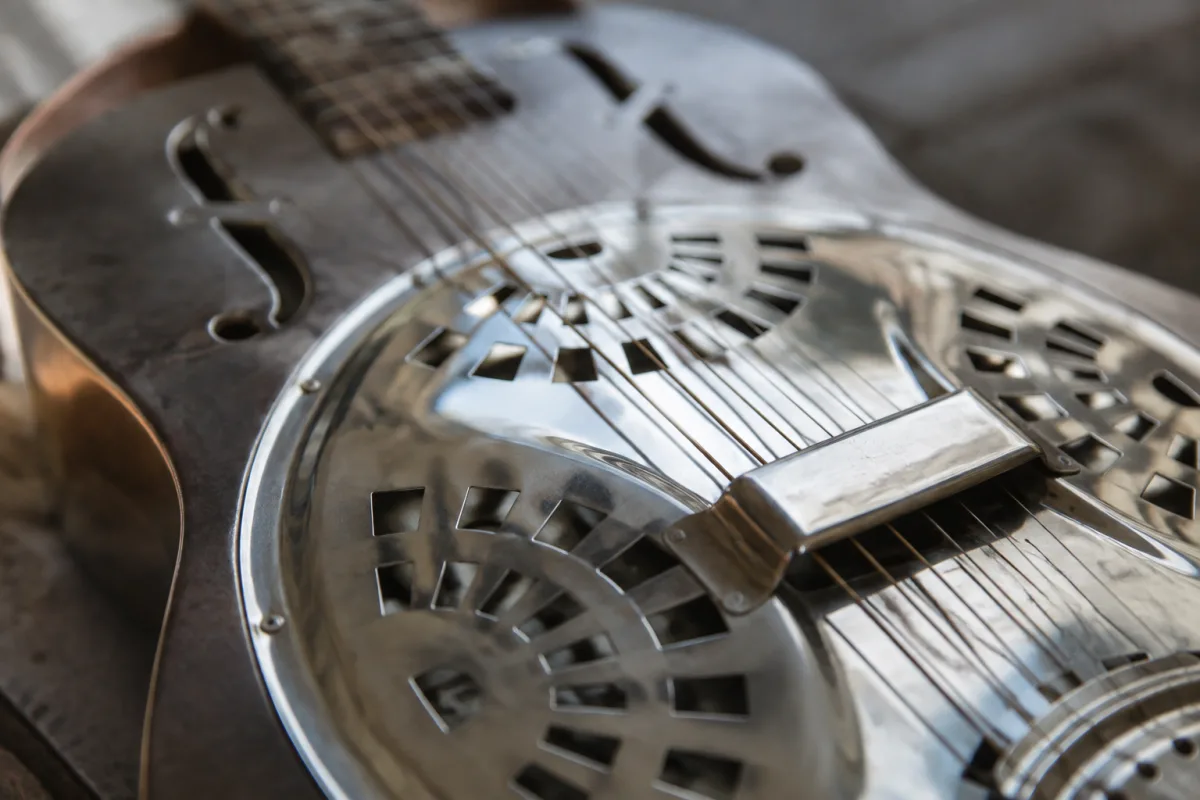
The resonator guitar stands as one of the most distinctive and visually striking instruments in popular music. Originally developed in the 1920s, the resonator guitar combines a unique metal cone resonator with expert lutherie to produce a bright, cutting tone perfectly suited to slide guitar, bluegrass, folk and modern acoustic music. Understanding the resonator guitar's construction, tone characteristics and playing techniques can help musicians appreciate why these instruments remain beloved by players across diverse genres.
History and Development of the Resonator Guitar
The resonator guitar emerged from the necessity to amplify acoustic instruments without electrical amplification. In the 1920s, luthier John Dopyera designed the first resonator guitar featuring a metal cone that vibrates sympathetically with the strings to project sound with greater volume and clarity. This innovation proved transformative for Hawaiian, blues and country musicians performing in venues without electric amplification.
Early resonator guitars featured different designs: the single-cone configuration proved most durable, whilst tricone designs (three cones) offered a slightly more complex tonal character. The Dobro brand, derived from Dopyera's surname, became synonymous with resonator guitars and remains the gold standard for quality and craftsmanship today.
Construction and Sound Mechanics
What distinguishes a resonator guitar from a standard acoustic guitar is its metal resonating chamber. The primary component—typically a spun aluminium cone—vibrates when the strings vibrate, amplifying and colouring the acoustic signal. This cone sits beneath the bridge inside a wooden body, with the sound emerging through an f-hole or circular soundhole.
The construction involves several precision-engineered elements working in concert:
- The cone: Usually fabricated from spun aluminium or occasionally brass, positioned to maximise sympathetic resonance without creating unwanted overtones.
- The coverplate: A metal plate atop the cone that directs vibrations into the cone's surface, shaping the instrument's tonal character.
- The spider bridge: A distinctive metal bridge that transmits string vibrations to the cone rather than to a wooden soundboard.
- The wooden body: Typically constructed from mahogany, spruce or similar tonewoods, providing structural support and contributing warmth to the overall tone.
- The strings: Most resonator guitars employ steel strings, which resonate efficiently with the metal cone.
Tonal Characteristics
The distinctive tone of a resonator guitar combines brightness, clarity and cutting power unmatched by conventional acoustic instruments. The metal cone imparts a shimmering, slightly nasal quality that cuts through band noise in live performance—a characteristic that made resonator guitars invaluable in early blues and country recording sessions.
Compared to conventional acoustic guitars, a resonator guitar delivers:
| Characteristic | Resonator Guitar | Standard Acoustic |
|---|---|---|
| Volume projection | Very loud; projects over ensembles | Moderate; benefits from microphones in ensembles |
| Tonal quality | Bright, shimmering, slightly metallic | Warm, mellow, woody |
| Sustain | Medium; shorter decay | Longer sustain; extended decay |
| Slide playing | Excellent; clean, articulate tone | Adequate; less clarity |
Playing Styles and Techniques
The resonator guitar excels in specific musical contexts and playing styles. Slide guitar—whether Hawaiian, blues or lap-steel technique—produces exceptional clarity and sustain on a resonator guitar. The metallic tone enhances the vocal-like quality that defines great slide playing, and the amplified volume allows subtle dynamics to carry across performance spaces.
Bluegrass and Appalachian music traditions make extensive use of resonator guitars, particularly the Dobro variant played with fingerpicks and bottleneck slide. The instrument's inherent cutting power meshes perfectly with the driving rhythmic accompaniment typical of bluegrass ensembles. Modern folk revival musicians have also embraced resonator guitars, finding the instrument's retro aesthetic and distinctive tone perfect for contemporary songwriting.
Single-Cone vs. Tricone Designs
The two primary resonator guitar designs each offer distinct advantages. Single-cone instruments—featuring one large metal cone—deliver maximum volume and a bright, direct tone ideal for slide work and country playing. Tricone designs employing three smaller cones produce a more balanced, complex tonal palette with greater harmonic richness and a slightly warmer character suitable for fingerstyle and lead work.
Single-cone resonator guitars dominate modern playing and manufacturing because they prove simpler to construct, maintain and repair. Tricone models remain desirable among collectors and players seeking maximum tonal complexity, though their greater mechanical complexity and repair costs limit their popularity for working musicians.
Selecting a Resonator Guitar
Choosing a resonator guitar requires consideration of musical style, budget and intended use. Entry-level models starting around £300–500 suffice for hobbyists and beginners exploring the instrument. Mid-range options (£800–1,500) offer quality construction and professional-grade tone suitable for gigging and studio recording. Vintage or handcrafted resonator guitars commanding £2,000+ deliver exceptional tonal character and collectible value.
The string action—height of strings above the fretboard—proves critical on resonator guitars. Slide players favour higher action enabling clean sliding without fret buzz, whilst fingerstyle players prefer lower action for comfort. Most quality instruments allow adjustment, but verifying the action suits your intended playing technique is essential before purchase.
Maintenance and Care
Resonator guitars require specialised maintenance due to their metal components and intricate construction. The metal cone and internal components demand occasional gentle cleaning to prevent corrosion and maintain tonal clarity. Steel strings, whilst ideal for the instrument's tone, require regular replacement to preserve intonation and brightness. The wooden body benefits from standard acoustic guitar care: stable humidity, protection from temperature fluctuations and regular oiling of the fretboard.
Conclusion
The resonator guitar represents a fascinating fusion of engineering precision and musical craftsmanship, delivering a distinctive tonal character that has inspired musicians across decades and genres. Whether exploring slide traditions, embracing bluegrass heritage or seeking a visually and sonically distinctive acoustic instrument, a resonator guitar offers unparalleled clarity, projection and character. By understanding the instrument's unique construction, tonal properties and playing techniques, musicians can fully appreciate why the resonator guitar remains a cherished choice among acoustic players worldwide.



Comments