
Paul Reed Guitars article
The Complete Guide to Paul Reed Guitars
Paul Reed guitars represent premium American craftsmanship. From affordable SE series to professional Custom models, discover the right PRS guitar for your musical voice.
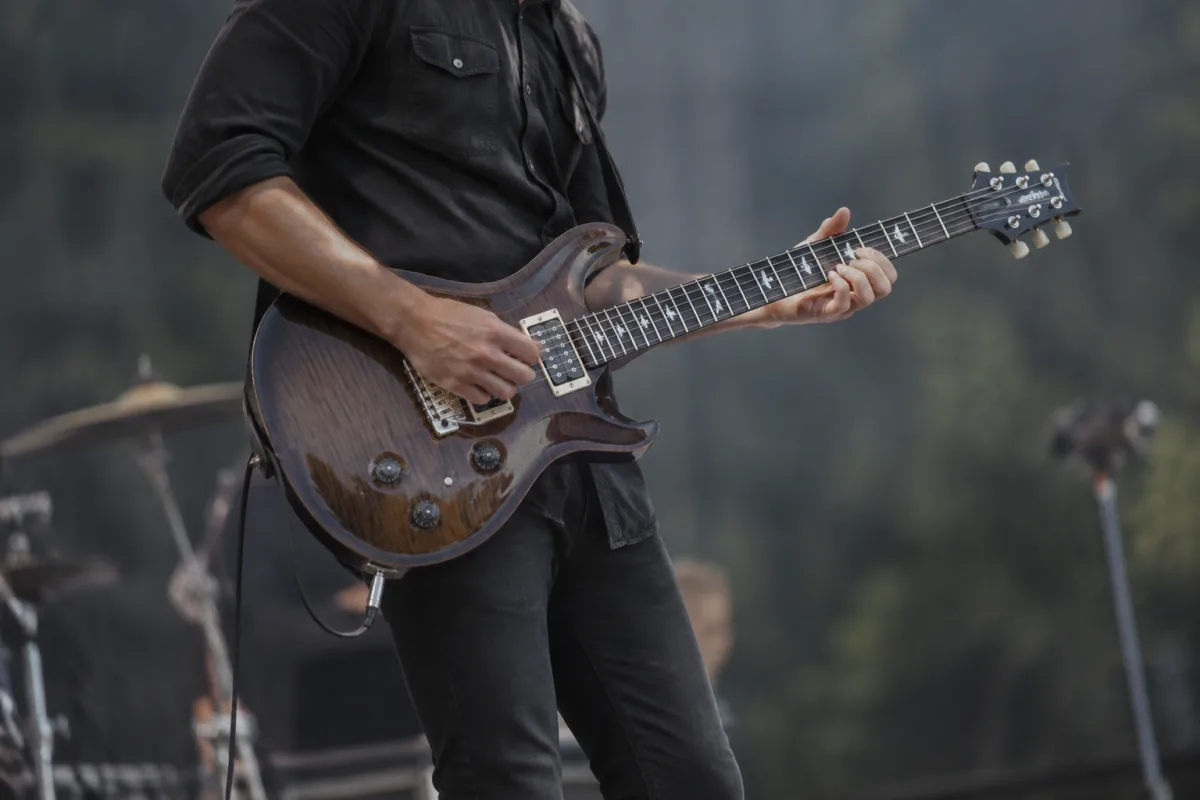
Paul Reed guitars represent American craftsmanship at its finest. From boutique hand-built models to iconic electric designs, PRS guitars have earned a reputation for tonal richness, build precision, and innovative design. Whether you're an experienced player or discovering premium instruments, this guide explores what makes Paul Reed guitars special, their range of styles, and how to find the right model for your musical voice.
The Story of Paul Reed Smith and His Legacy
Paul Reed Smith founded his guitar-making company in the 1970s with a singular vision: to craft instruments that honour guitar tradition whilst embracing innovative design. Each Paul Reed guitars model reflects decades of refinement, meticulous hand-finishing, and an obsessive attention to tonal character. The brand has grown from modest Maryland roots to become synonymous with premium electric and acoustic instruments.
What distinguishes Paul Reed guitars is the philosophy behind them. Smith believes that great instruments inspire musicians to play better. Every detail—wood selection, electronics, hardware, finishing—serves that purpose. This uncompromising approach has attracted world-class musicians and earned PRS guitars a loyal, passionate following.
Paul Reed Guitars Core Lines
The Standard Models
The Core line represents the foundation of Paul Reed guitars. These feature the iconic curvy body shape, single-cutaway design, and smooth playability that define the brand. Hardtail or tremolo options offer tonal versatility. Core Paul Reed guitars start around £1,800 and deliver the authentic PRS experience without premium pricing. This is where most players encounter these instruments for the first time.
Special Editions and Finishes
Paul Reed guitars often feature stunning finishes—burst tops, transparent colours, hand-carved details. Limited-edition runs command collector attention. Special Paul Reed guitars showcase Smith's artistic vision; they're not merely functional instruments but visual statements. Finishes can add £500–£2,000 to the base price.
Signature Artist Models
Collaborations with celebrated musicians produce signature Paul Reed guitars. These models honour each artist's input—custom electronics, specific tonal voicing, dedicated hardware. Signature Paul Reed guitars serve both as tributes and as windows into how pros personalise their instruments. Examples span multiple genres and price points.
Paul Reed Guitars Acoustic Range
Beyond electrics, Paul Reed guitars extends to acoustic instruments. These combine tonal warmth with the precision build quality expected from the brand. Acoustic Paul Reed guitars occupy the £2,500–£5,000+ range and appeal to fingerstyle players and recording musicians seeking studio-grade tone in an acoustic package.
Tonal Characteristics of Paul Reed Guitars
| Model Family | Character | Best For | Price Range |
|---|---|---|---|
| Core/Standard | Warm, articulate, balanced midrange | Rock, pop, jazz, versatile session work | £1,800–£2,500 |
| Custom | Rich, complex, premium voiced | Professional recording, gigging musicians | £3,000–£5,000 |
| SE Series (Korean-made) | Bright, punchy, excellent value | Learners, budget-conscious players, second guitars | £400–£800 |
| Acoustic | Warm, projection-focused, studio-ready | Fingerstyle, singer-songwriters, recording | £2,500–£5,000+ |
Value Propositions at Every Price Point
Budget-Friendly SE Series
The SE line—manufactured in Korea and Indonesia—offers the PRS DNA at accessible prices. Don't dismiss them as "lesser" instruments. SE Paul Reed guitars deliver remarkable tone and playability for £400–£800. They're perfect for learners, gigging musicians who need a travel backup, and anyone exploring the brand without premium investment.
Mid-Range Core Models
Core Paul Reed guitars strike the balance between affordability and the full PRS experience. At £1,800–£2,500, these are serious professional instruments used by working musicians worldwide. Build quality, electronics, and tonal character are uncompromising. This is where most players discover whether PRS is "their" brand.
Premium Custom and Artist Editions
Custom Paul Reed guitars start at £3,000+ and climb to £8,000–£10,000+ for rare woods, custom inlays, and hand-selected components. These appeal to collectors, touring musicians who demand perfection, and anyone who values the prestige and craftsmanship. A custom PRS is a lifetime investment.
Choosing the Right Paul Reed Guitars Model for You
Consider your playing style first. Rock and pop players often gravitate toward Core models with bright, punchy character. Jazz and fusion musicians favour Custom versions for warmth and articulation. Singer-songwriters appreciate acoustic Paul Reed guitars. Budget matters, certainly, but remember: an SE model that inspires daily playing beats an unused premium instrument. Find the one that calls to you.
Playability is paramount. Visit a dealer and play multiple Paul Reed guitars if possible. Feel the neck profile, listen to the unplugged tone, assess comfort. What one player loves, another might dismiss. Your hands and ears are the final arbiters.
Resale Value and Long-Term Investment
Paul Reed guitars hold value remarkably well. Core and Custom models typically retain 60–75% of their original price on the used market. Limited editions and artist signatures can appreciate if they're genuinely rare. This makes purchasing a Paul Reed guitars model a relatively low-risk proposition—you can always recoup most of your investment if your musical path changes.
Conclusion
Paul Reed guitars embody a philosophy: that great instruments inspire great music. Whether you choose an SE model as your gateway, a Core guitar as your main stage instrument, or a Custom for the studio, you're investing in decades of craftsmanship and innovation. The diversity of Paul Reed guitars—electrics, acoustics, signature models, finishes—ensures there's an authentic instrument for every musician and budget. Play one, and you'll understand why PRS guitars command such devotion.



Comments