


PRS Electric Guitar article
Prs Electric Guitar for Beginners: A Complete Guide
PRS electric guitars punch above their weight in quality and playability. This beginner's guide reveals which models offer the best value, what to expect when you plug in, and how to make your first PRS purchase count.
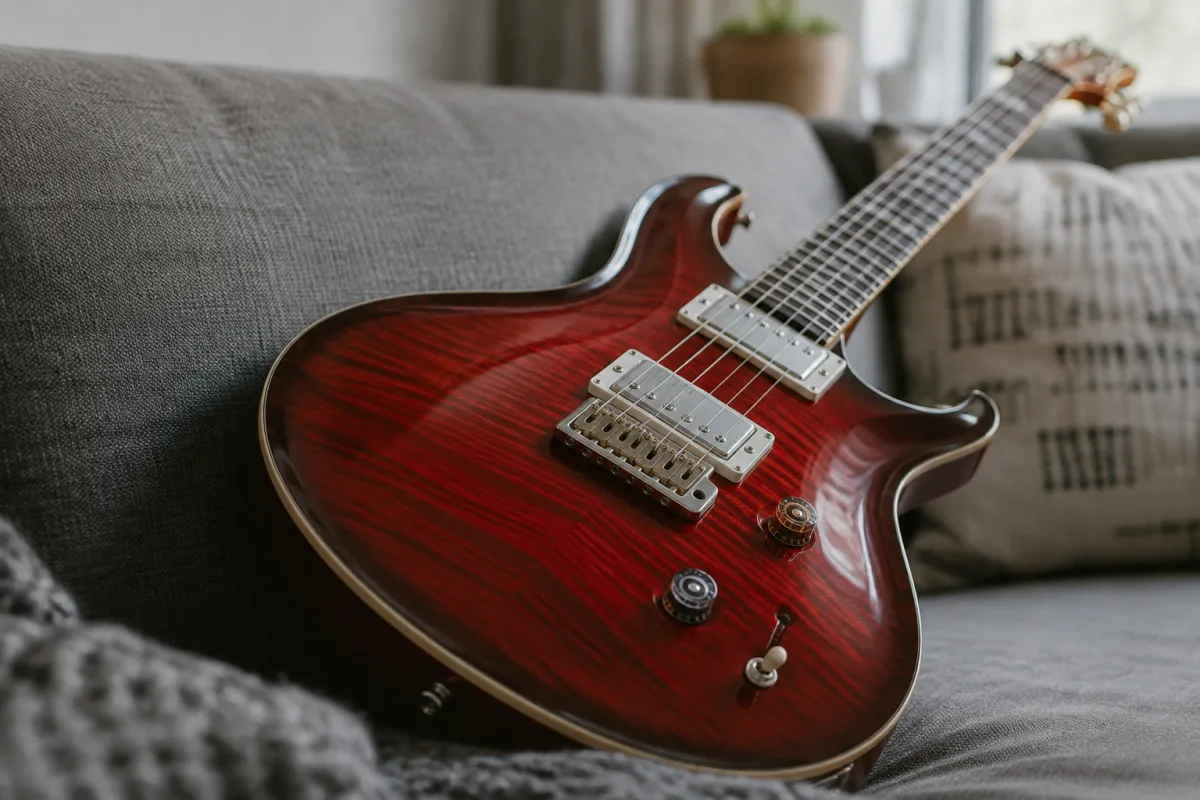
If you've been researching electric guitars and stumbled upon PRS, you might be wondering what the fuss is about. They're not the household names like Fender or Gibson, yet musicians across genres absolutely swear by them. This guide demystifies PRS guitars for the beginner—what makes them special, which models make sense for someone just starting out, and whether they're worth the investment.
What Makes PRS Guitars Different
PRS (Paul Reed Smith) guitars occupy a sweet spot between traditional craftsmanship and modern innovation. Founded in 1985, the company builds guitars with meticulous attention to detail: hand-carved tops, premium woods, and proprietary hardware. What you notice immediately is the build quality—PRS guitars feel solid, expensive even in the entry-level range, because they're built to last decades. The company's philosophy is simple: fewer guitars, higher standards. That translates to consistent playability, sustain and tonal clarity that beginners often find surprising coming from other brands.
PRS Model Tiers: Which Should You Choose?
PRS makes guitars at several price points, and understanding the tiers helps you choose wisely:
- SE Series (Affordable Entry Point) — Produced in Indonesia, the SE line brings PRS quality down to roughly £400–£800. These are genuine PRS guitars with the same design philosophy as their American counterparts, just with slightly different wood selections and finish options. The SE Custom, SE Standard and SE Pauls are solid beginner choices. They hold their own against mid-range Fenders or Gibsons, full stop.
- Core Series (Made in America) — Hand-crafted in Maryland, these start around £2,000 and go much higher. For a beginner, these are probably overkill unless you've already fallen in love with the brand or have the budget. But it's worth knowing they exist if you want to grow into one later.
- Artist/Special Editions — Signature models from working musicians. Skip these as a beginner unless you're specifically pursuing the sound of that artist.
The PRS Sound: What You're Actually Getting
A PRS electric guitar delivers clarity, articulation and natural sustain. The tremolo systems are stable (they don't drift out of tune as easily as some cheaper vibratos), and the pickups are warm without being muddy. You'll hear good definition whether you're playing clean, crunched or through heavy distortion. This makes PRS guitars exceptionally versatile—blues players, rock players, even jazz and metal players find them suitable. If you're torn between styles and don't want to commit to one thing yet, PRS gives you that flexibility.
Body Shapes: Finding Your Comfort
PRS offers several body styles. The Classic and Custom shapes are the most common for beginners—they're comfortable whether you're sitting or standing, with gentle curves that don't dig into your ribs. The Special model is slightly offset and more modern-feeling. Visit a music shop and hold a few if you can; body comfort matters more than brand name when you're first learning. A slightly less impressive guitar that feels good in your hands beats a premium instrument you hate holding.
New Versus Used: The Budget Question
A used PRS SE model from three or four years ago will feel and play identically to a new one, but might save you £100–£200. If money is tight, that's sensible. However, buying used means no warranty and potential hidden wear. If it's your first electric guitar, a new instrument with a warranty gives peace of mind. Play it forward two years, sell it for perhaps 60–70% of what you paid, and upgrade if you've genuinely outgrown it.
Common Beginner Mistakes with PRS Guitars
First, don't assume a higher price automatically makes for easier playing. A properly set-up £500 PRS plays as smoothly as a £2,000 one. Second, don't neglect the setup—humidity, string height, and truss rod adjustment make a massive difference in playability. A £50 professional setup is worth every penny. Third, don't waste money on high-end amplifiers if you're just starting. A modest £100–£200 practice amp reveals everything a PRS can do. Save the amplifier investment for later when your taste and needs are clearer.
Plugging In: Tone and Versatility
One joy of PRS guitars is how responsive they are to different amplifier settings. A clean tone shows off the natural wood and construction; light overdrive brings warmth; full distortion still maintains clarity. This responsiveness teaches you how to shape your sound through your hands and amp settings rather than just cranking gain. It's genuinely educational for a beginner.
Should You Buy a PRS as Your First Electric?
If you can stretch to a PRS SE model, it's one of the smartest first-guitar purchases you can make. You'll own an instrument that inspires regular playing, holds its resale value, and teaches you what quality feels like. If your budget sits below £400, look elsewhere for your first instrument and plan to upgrade to PRS once you've built confidence and saved a bit more. Either way, you won't regret choosing PRS when you're ready.


Comments