


Martin Parlour Guitar Buying guide
Martin Parlour Guitar: A Complete Buyer's Guide
Choosing a Martin parlour guitar requires understanding model variations, wood characteristics, and tonal qualities. This guide helps you select the right Martin parlour guitar for your playing style and budget.
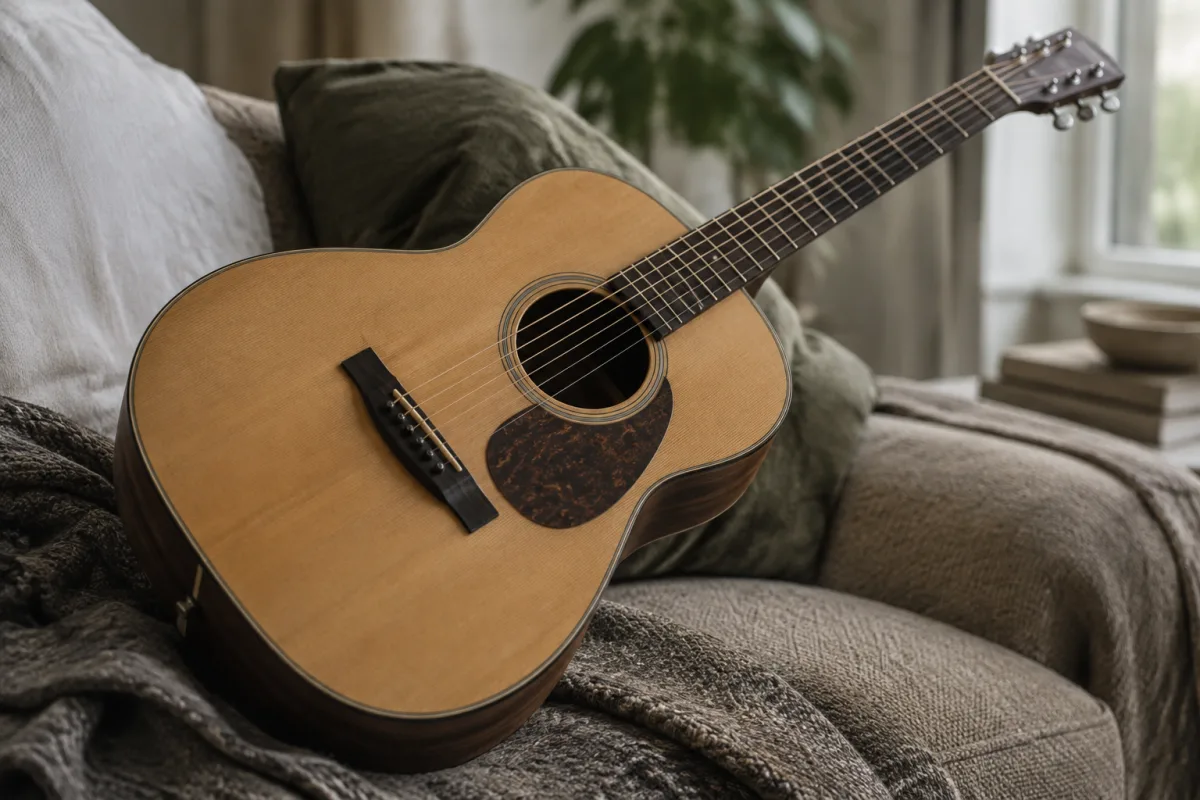
Martin parlour guitars represent some of the finest small-bodied acoustics available, combining the legendary craftsmanship of C.F. Martin & Company with designs perfectly suited for intimate playing, travel, and collectors seeking authentic vintage-inspired instruments. If you're considering purchasing a Martin parlour guitar but feel uncertain about which models suit your needs, what specifications matter, or whether the investment justifies the premium pricing, this guide explains the characteristics that distinguish Martin parlour guitars from other small-bodied designs and helps you make a confident purchasing decision aligned with your musical goals.
Understanding Martin Parlour Guitar Heritage
Martin parlour guitars descend from 19th-century salon instruments designed for intimate home performance. These small-bodied guitars produced beautiful, warm tones ideal for fingerstyle playing and personal music-making in Victorian drawing rooms. Modern Martin parlour guitars honour this heritage whilst incorporating contemporary construction techniques and tonal refinement. Understanding this historical context helps explain why Martin parlour guitars command premium pricing—you're purchasing not merely an instrument but a direct connection to acoustic guitar's classical tradition.
The Martin parlour guitar philosophy emphasises tonal richness and playability in a compact package. Unlike full-sized dreadnoughts designed for maximum volume and projection, Martin parlour guitars prioritise responsive feel and nuanced tonal character. This philosophical difference fundamentally shapes how these instruments sound and behave. If you value projection and maximum volume, Martin parlour guitars may disappoint. If you treasure tonal complexity and responsive playability, Martin parlour guitars deliver exceptional value.
Martin Parlour Guitar Model Variations
| Series | Body Style | Tonal Character | Price Range | Best For |
|---|---|---|---|---|
| 0-Series | Smallest Martin body, classic proportions | Intimate, warm, articulate | £800–£1,500 | Fingerstyle players, collectors, travel |
| 00-Series | Slightly larger than 0, enhanced resonance | Rich bass, clear trebles, balanced | £900–£2,000 | Versatile players, ensemble performance |
| Custom Shop | Bespoke specifications, premium materials | Exceptional tonal depth, playability | £2,000–£5,000+ | Discerning collectors, professional players |
The 0-Series Martin parlour guitar represents the classic parlour design—the smallest standard Martin body. These instruments possess delicate, intricate tones with focused projection ideal for home performance and intimate settings. The reduced body size generates lower overall volume but compensates through exceptional tonal colour and responsiveness. Fingerstyle players particularly appreciate how individual notes project clearly without muddiness.
The 00-Series Martin parlour guitar slightly enlarges the body, providing enhanced bass response and volume whilst maintaining the parlour guitar's essential character. This increased capacity suits a wider range of playing styles and performance contexts. Many players find the 00-Series Martin parlour guitar represents the optimal balance between portability, playability, and sonic capability. Professional performers often prefer this size for its versatility.
Wood Selection and Tonal Characteristics
Wood choice profoundly affects Martin parlour guitar sound. Spruce tops dominate in modern Martin parlour guitars, prized for brightness, responsiveness, and projection. Mahogany back and sides generate warm bass response and distinctive tonal character. Some Martin parlour guitar models substitute rosewood for brighter tonal definition. Premium Martin parlour guitars employ tonewood varieties selected for superior acoustical properties—aged spruce or premium rosewood command substantial price premiums but deliver noticeably superior tone.
Examining wood grain and colour provides clues about tonal potential. Tight-grained, uniform-coloured wood typically indicates superior acoustical properties. Dramatic wood grain variations, whilst visually striking, don't necessarily correlate with tone quality—appearance and sound remain independent. When evaluating Martin parlour guitars, listen carefully rather than judging by appearance.
Finish quality affects both appearance and tonal response. Martin parlour guitars typically employ shellac or lacquer finishes that enhance acoustic response compared to modern polyurethane. These traditional finishes feel more natural and allow wood vibration freedom, contributing to superior tonal quality. Budget Martin parlour guitars sometimes employ thicker finishes that compromise tonal response. Premium models feature carefully controlled finish thicknesses optimising acoustical performance.
Essential Martin Parlour Guitar Specifications
Action height (string clearance above the fretboard) significantly affects playability. Proper Martin parlour guitar action allows comfortable playing without fret buzz. Low action feels easier but risks fret buzz on hard strumming. High action feels more demanding initially but provides feedback and enables dynamic playing. Quality Martin parlour guitars balance these concerns thoughtfully; if a guitar's action feels uncomfortable, professional setup can usually improve it.
Neck profile—the shape of the back of the neck—affects comfort and playing style. Martin parlour guitars typically feature comfortable, moderate profiles suited to fingerstyle and gentle strumming. Some players prefer slimmer necks for speed; others favour chunky profiles for control. Try various Martin parlour guitar neck profiles before purchasing if possible—personal preference varies substantially.
Inlay and ornamentation vary considerably between Martin parlour guitar models. Basic models employ simple binding and minimal decoration. Premium Martin parlour guitars feature elaborate abalone inlays, custom binding, and aesthetic refinement. Ornamentation increases price substantially but doesn't improve sound quality. Choose based on whether cosmetic details matter to your satisfaction.
Evaluating Individual Martin Parlour Guitars
When examining a specific Martin parlour guitar, inspect the soundboard for cracks, finish damage, or previous repairs. Hairline cracks sometimes appear on new instruments during the adjustment period—not necessarily cause for concern if properly addressed. Significant cracks or poor repairs warrant caution. Check the neck alignment by sighting down the fretboard for straightness and proper relief.
Play the Martin parlour guitar thoroughly, evaluating tonal response across the entire neck. Does tone remain consistent from bass to treble? Do all notes project clearly without dead spots? Does sustain feel adequate? These subjective assessments reveal more about Martin parlour guitar quality than specifications. Bring a reference instrument or recording if purchasing a specific model unfamiliar to you.
Examine the bridge condition carefully. Older Martin parlour guitars sometimes exhibit bridge problems requiring expensive repairs. Check that the bridge remains glued securely without lifting edges or separation. Bridge condition significantly affects both tone and repair costs, making this inspection critical before purchase.
New Versus Vintage Martin Parlour Guitars
Modern Martin parlour guitars offer consistency, warranty protection, and updated construction techniques. New instruments arrive properly set up and ready to play. Contemporary Martin parlour guitars command full retail pricing but represent safe purchases from authorised retailers. The quality control standards modern manufacturers employ ensure reliable playability and durability.
Vintage and used Martin parlour guitars offer potential character and value, particularly sought-after pre-war examples that command exceptional prices. Older Martin parlour guitars sometimes possess tonal characteristics modern examples can't replicate—decades of wood aging subtly improves acoustic response. However, vintage instruments arrive with unknown histories, potential repairs, and possible structural issues requiring professional assessment. Vintage Martin parlour guitars suit experienced players comfortable evaluating condition and accepting potential quirks.
Price Tiers and Value Assessment
Entry-level Martin parlour guitars (£800–£1,200) represent genuine instruments bearing Martin's name and reputation. These models employ quality materials and construction meeting basic professional standards. Tone quality sits comfortably above budget alternatives but below premium offerings. Entry-level Martin parlour guitars suit casual players, beginners, and those testing whether parlour-sized instruments suit their preferences.
Mid-range Martin parlour guitars (£1,200–£2,500) represent the sweet spot for most dedicated players. These instruments feature quality tonewood selection, refined construction, and distinctive tonal character. Mid-range Martin parlour guitars receive more careful attention during manufacturing. Professional fingerstyle players and performers typically choose this tier.
Premium Martin parlour guitars (£2,500+) employ exceptional materials, master craftspeople, and extensive quality oversight. Custom Shop models and limited editions command prices reflecting their exclusivity and craftsmanship. Premium Martin parlour guitars appeal to collectors, recording artists, and perfectionists for whom cost represents no constraint.
Common Purchasing Mistakes
Assuming all small-bodied Martin guitars are identical ignores significant variation between models. The 0-Series, 00-Series, and other designs possess distinctly different characteristics. Careful model comparison before purchasing prevents purchasing an instrument poorly suited to your specific needs.
Purchasing based purely on appearance or ornamentation overlooks the fact that tonal quality and playability matter most. A lavishly decorated Martin parlour guitar with poor tone delivers less satisfaction than a simple model sounding magnificent. Prioritise sonic quality over cosmetics when making final decisions.
Buying without professional evaluation or trial period increases risk. Used Martin parlour guitars especially warrant hands-on assessment by experienced players or professional luthiers. Many online purchases result in disappointment when instruments arrive sounding or playing differently than anticipated.
Making Your Martin Parlour Guitar Purchase
Determine your primary use—fingerstyle home performance, ensemble playing, travel, or collecting. Different Martin parlour guitar models excel in different contexts. Select the model and price tier matching your budget and requirements. If possible, trial instruments before purchasing. Play numerous examples to develop an ear for tonal differences. Listen to recordings of various Martin parlour guitar models to familiarise yourself with their distinctive characteristics.
Purchase from authorised Martin dealers whenever possible. These retailers stand behind their instruments and provide proper setup before delivery. Warranty coverage and dealer relationships prove invaluable if issues arise. For comprehensive technical information about Martin parlour guitars, historical context, and detailed specification comparisons, consult our complete guide to martin parlour guitar, offering extensive coverage of these remarkable instruments.



Comments