


Ltd Electric Guitar Buying guide
Ltd Electric Guitar: A Complete Buyer's Guide
LTD electric guitars deliver ESP quality at mid-range prices. This guide covers body shapes, pickup options, hardware, and price tiers to help you choose the right model.
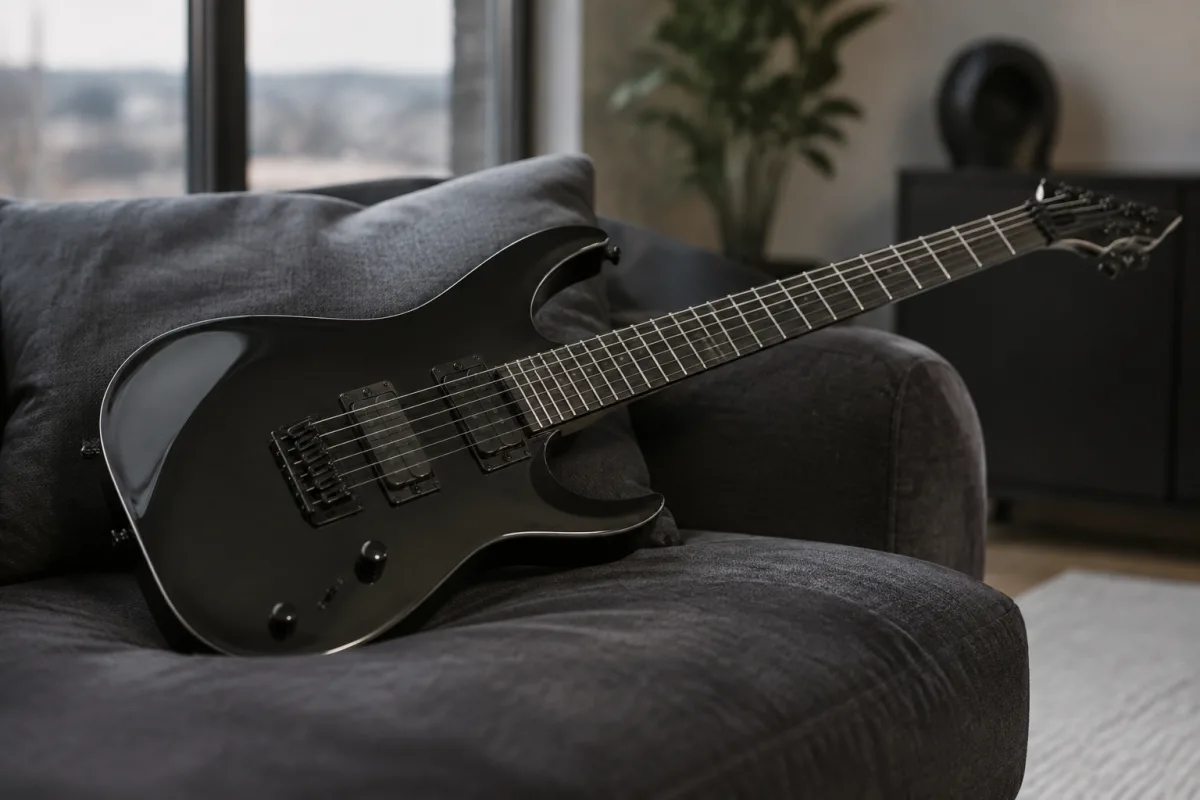
The Buyer's Guide to LTD Electric Guitars
LTD electric guitars are ESP's accessible brand, offering professional-level specs and design at mid-range prices. But the LTD lineup spans entry-level to premium, and choosing the right one depends on your budget, playing style, and what kind of tone you're chasing. This guide covers the key buying decisions when selecting an LTD electric guitar, from body shape and pickup configuration to construction quality and resale value.
Why LTD? Understanding the Brand
LTD electric guitars are made by ESP, a Japanese manufacturer with decades of custom experience. LTD was created to bring that expertise to players with modest budgets. The result: an LTD electric guitar competes on specs and playability with guitars costing twice the price. Most LTD electric guitars are made in Korea or Indonesia, not Japan, which is why they cost less than ESP's Japan-made professional line. That doesn't mean they're cheap—it means smart manufacturing. An LTD electric guitar at £500 has better hardware and electronics than a £500 no-name brand.
The LTD Lineup: Core Series vs High-End Models
LTD divides broadly into three tiers. The LTD 200 and 260 series are entry-level LTD electric guitars under £400; solid players for learning and bedroom recording. The LTD 400 and 1000 series sit at £500–1,200; these are gigging-ready instruments with quality electronics and playable setups out of the box. The LTD Elite and Deluxe lines (£1,200–2,500) blur the line between LTD and full ESP craftsmanship, with premium woods and hardware. Most buyers, especially first-timers, should focus on the 400 and 1000 series LTD electric guitars.
Body Style: Choosing Your Shape
LTD electric guitars come in six main body styles. The Viper and M-200 are sharp-horned metal platforms; the M-1 is a classic offset; the EC is a single-cut semi-hollow. The Stratocaster-influenced models (like the SN) offer comfort and tradition. The key: don't choose based on aesthetics alone. Hold an LTD electric guitar, check where the strap button sits, and ensure the horn shape suits your fretting-hand access. A metal player favouring extreme upper-fret positions needs different geometry than a blues player who rarely goes past the 12th fret.
Pickups and Electronics
An LTD electric guitar's tone character hinges on pickups. Budget LTD electric guitars come with LTD-branded alnico pickups, which are respectable and warm. Mid-range models often feature Seymour Duncan or EMG pickups—brands with solid reputations. Premium LTD electric guitars might spec Fishman Fluence or hand-wound alternatives. The difference matters: ceramic pickups (cheap) sound thin and muddy; alnico pickups (entry LTD) are warm and forgiving; Seymour Duncan or EMG (mid-range LTD) add clarity and defined character.
Check the active vs passive distinction. An LTD electric guitar with passive pickups (no battery) is simpler and more reliable. Active pickups (powered by a 9V battery) need changing every 6–12 months and can fail mid-gig, but they offer tighter, more defined tones—popular with metal players.
Hardware Quality and Tuning Stability
Good tuning stability separates a playable LTD electric guitar from a frustrating one. Check these points:
- Tuners: LTD electric guitars at £500+ come with Grover or Gotoh tuners, which are rock-solid. Budget models have weaker tuners prone to slippage.
- Bridge: Most LTD electric guitars use a hardtail (fixed) bridge; this is ideal for stability. Some sport a whammy bar (tremolo); this requires more skill to keep in tune.
- Nut: Bone is standard on respectable LTD electric guitars; plastic is a red flag. A bone nut on an LTD electric guitar improves sustain and tuning response.
Fretwork and Playability
LTD quality control is generally good. Most LTD electric guitars are playable straight out of the box, though a professional setup (£60–100) improves action and intonation noticeably. Check these when testing:
- Neck straightness: Sight down the frets from behind the headstock. Any noticeable bow or twist is a defect.
- Fret crowning: Run your finger along the frets. They should feel even; dips or high spots suggest poor work.
- Action height: At the 12th fret, strings should be 1.8–2.2 mm high. Anything higher is uncomfortable; anything lower buzzes.
LTD Electric Guitar Price Tiers
| Range | Series | Pickups | Body | Best For |
|---|---|---|---|---|
| £200–400 | 200/260 | LTD alnico | Plywood or entry solid | Beginners, bedroom |
| £400–700 | 400/401 | Seymour Duncan | Solid mahogany or alder | Gigging amateurs, home recording |
| £700–1,200 | 1000/1001 | Duncan or EMG | Premium solid or figured wood | Serious players, touring musicians |
| £1,200+ | Elite/Deluxe | Premium hand-wound | Figured/flamed tops | Collectors, session pros |
Common LTD Electric Guitar Pitfalls
Don't assume lower price means poor build—LTD electric guitars are well-engineered across the range. Do check the nut and tuners on budget models; these two components often shortcut cost. Don't overlook fret sprout (frets rising slightly on older LTD electric guitars left in dry environments)—it's fixable but pricey. Don't buy an LTD electric guitar with a tremolo unless you plan to use it regularly; the added complexity invites tuning instability if neglected.
Secondhand LTD Electric Guitars
The secondhand market for LTD electric guitars is strong. A five-year-old LTD 1000 series model often costs £100–200 less than new and plays just as well. Check for:
- Electronics functionality (test every switch and knob)
- Fret wear (some pitting is normal; deep grooves suggest refret time)
- Neck straightness (the most expensive repair)
- Nut condition (cracked nuts are common on old LTD electric guitars; budget £40–80 for replacement)
Tone and Genre Fit
An LTD electric guitar excels in rock, metal, and fusion. The semi-hollow EC models suit jazz and blues. Active-pickup LTD electric guitars are optimised for tight, aggressive tones (metal/progressive). Passive-pickup LTD electric guitars are warmer and more versatile. Match the model to your intended use, and you'll have an instrument that feels tailored to your playing.
Bottom Line
An LTD electric guitar at £500–1,000 offers better value than most competitors at the same price. The brand name, ESP heritage, and consistent quality across the range make LTD a safe buy. For beginners, a 400-series LTD electric guitar provides genuine playability and tone. For gigging musicians, the 1000 series justifies its cost with premium hardware and electronics that last. For specialists (metal, jazz), choose the body shape and pickup config that fits your genre, and trust that LTD's build quality will deliver. If you're exploring the brand in depth, read more about ESP LTD guitars and their features to understand the full range.
FAQ
Is an LTD electric guitar as good as a full ESP?
LTD electric guitars share ESP's design philosophy but use more efficient manufacturing to reduce cost. A £1,000 LTD will play as well as many £2,000 full ESPs—the main difference is materials (figured wood) and hand-finishing.
Which LTD electric guitar should a beginner buy?
Start with a 400-series LTD electric guitar around £400–500. It's playable, has decent electronics, and holds resale value. The 200 series works too but demands more setup work.
Do LTD electric guitars hold their value?
Yes, reasonably well. A £800 LTD 1000 from five years ago might sell for £500–600 secondhand. Not like vintage Gibsons, but far better than cheap budget brands.
Should I get active or passive pickups on an LTD electric guitar?
Beginners typically do better with passive (simpler, less maintenance). Metal and progressive players favour active (tighter, more defined). Don't let pickups alone drive your choice.
How often do LTD electric guitars need setup?
A new LTD electric guitar should arrive playable. After six months, a minor truss-rod adjustment often helps. Annual setups (£60–100) keep action and intonation stable if you gig regularly.
Are all LTD electric guitars made in Korea?
Most are. Korea and Indonesia are the primary factories. Premium LTD Elite models are sometimes made in Japan. Manufacturing location doesn't dramatically impact quality—QC and design matter more.
Can I upgrade an LTD electric guitar?
Yes. Swapping pickups (£150–300), upgrading tuners (£40–80), and fitting a better nut (£40–60) are common. A modest budget LTD electric guitar can become excellent with targeted upgrades.
Is an LTD electric guitar good for metal?
Absolutely. LTD specialises in metal designs (Viper, M models). Pair an LTD electric guitar with active pickups and a solid-state amp, and you have a metal machine.


Comments