


Ibanez Guitar Les Paul article
Ibanez Guitar Les Paul for Beginners: A Complete Guide
The Gibson Les Paul tone you love, the Ibanez accessibility you need. Semi-hollow models teach real technique whilst staying light on your shoulder and wallet.
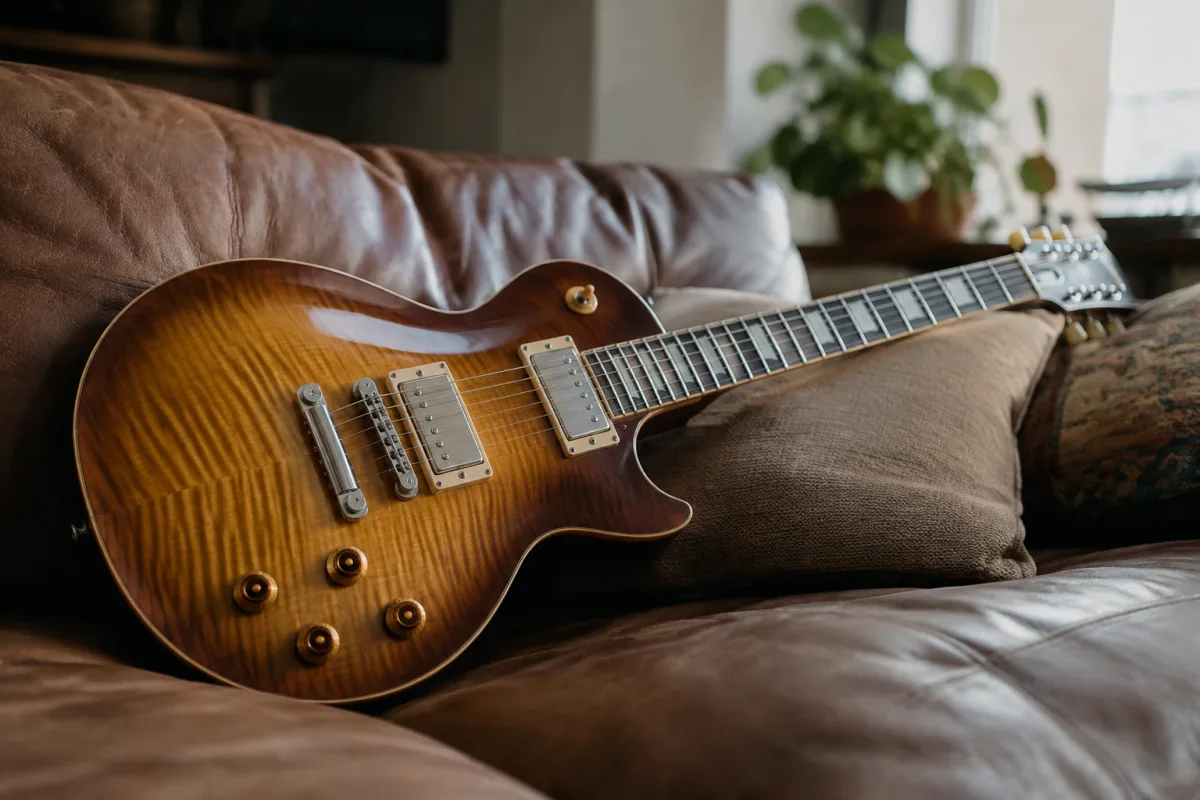
Ibanez Guitar Les Paul Models: A Beginner's Path to Professional Tone
The Gibson Les Paul is iconic, but its price tag puts it out of reach for many new players. Ibanez offers something genuinely useful: Les Paul-inspired designs that capture the essence of the original without the eye-watering cost. If you've been drawn to that chunky, warm tone but felt priced out, an Ibanez guitar les paul might be exactly what you need.
Why Beginners Choose Ibanez Over Gibson
Ibanez builds Les Paul-inspired guitars at every price point, from entry-level models around £300 to mid-range semiprofessional instruments at £800. That accessibility doesn't mean compromise; it means clever engineering and streamlined production. You're not getting less guitar—you're getting a smarter guitar.
The core reason beginners choose Ibanez: weight. A Gibson Les Paul is a beast—often 9 pounds or more. An Ibanez version typically weighs 7–8 pounds. That difference might sound trivial until you're holding it for two hours during practice. Your shoulder will thank you, and you'll pick it up more often.
Playability is another story. Ibanez necks, even on affordable models, are famously smooth. The action (string height) is often better out of the box than a Gibson at three times the price. You'll spend less time fighting the guitar and more time actually learning.
Tonally, modern Ibanez models deliver the thick, creamy warmth you expect from a humbucker-equipped guitar. The semi-hollow or fully hollow body construction gives you natural resonance without feedback at moderate volumes. For a beginner worried about cost, this is a real win: you sound professional without spending professional money.
Understanding the Ibanez Les Paul Lineup
Ibanez doesn't make exact Les Paul copies; instead, they design their own takes on the formula. Key models include the Artist and Artcore lines, each with its own character.
Artist series: Solid-body models that lean into the Les Paul's power and sustain. Great for blues, rock, and heavier genres. Neck-through construction (the neck runs through the entire body) adds stability and sustain. Better intonation up the fretboard and less neck dive when stood.
Artcore series: Semi-hollow and fully hollow designs inspired by jazz guitars. Lighter, warmer, with natural feedback-resistance at high volumes. Ideal for blues, jazz, funk, and vintage rock. The body resonates beautifully, rewarding light touch—perfect for building clean technique.
As a beginner, both will serve you well. Choose based on your intended style: solid body for rock and metal, semi-hollow for versatility and warmth.
Your First Week: Setup and Acclimatisation
Ibanez guitars often require minimal setup, but don't skip the basics. First thing:
- Inspect the frets. Sight down the neck from headstock to body. Light dings are fine; deep grooves need attention. Run your finger sideways along the frets—smooth is good.
- Check action height. Measure from the first fret to the bottom of a string at the 12th fret. Anything under 2.5mm is playable; 3–3.5mm on low E is common for new guitars and acceptable. If it's higher, adjust or visit a luthier.
- Test electronics. Switch pickups, turn volume and tone knobs. No crackles should mean perfectly clean potentiometers. Occasional minor pops are normal.
- Play open chords. E major, A major, D major. If they ring clearly, you're set. If they buzz, the action might be too low or there could be a fret issue.
After a week of playing, the neck might shift slightly as wood acclimatises to humidity and string tension. That's normal. Bring it back for a £30–40 adjustment if needed.
Building Technique on an Ibanez Les Paul
An Ibanez guitar les paul teaches you real skills because it punishes sloppiness less harshly than a cheap beginner model but still rewards precision. The pickups are sensitive; you'll hear finger mute noise and pick scrape if you're not deliberate. That's a feature, not a bug—it's feedback that shapes your playing.
The thick body absorbs hand vibration, making it forgiving when you're learning vibrato. The warm, slightly compressed tone hides minor timing issues; as you improve, that same character rewards your growing accuracy. You'll hear your progress month by month.
Practice open chords until they ring cleanly. This takes 2–4 weeks of regular play. Then move to barre chords—the Ibanez neck, narrower and smoother than many Gibsons, makes these transitions easier. Spend time switching between shapes. Your hand strength will build faster than you expect.
Common Beginner Pitfalls
New players often make predictable mistakes with semi-hollow guitars:
- Feedback at volume. Semi-hollow bodies resonate, which is beautiful. But crank your amp too loud and you'll get howling feedback. Start at 3 on your amp dial. Learn control before volume.
- Neck dive. The Ibanez body might feel tail-heavy when stood. Use a comfortable strap and wear it higher than feels natural—this stabilises the neck. It's not a flaw; it's just technique you'll learn.
- Ignoring strap length. A strap that's too short forces your hand up, straining your wrist. Too long and the guitar dips below your waist, making accurate picking impossible. Measure so the headstock reaches chin height when sitting—that's your benchmark.
- Assuming buzz means something's broken. New strings buzz slightly for 24 hours as they settle. The body ring you hear when muted? That's resonance, not a defect. Familiarise yourself with your guitar's baseline noise.
- Forgetting that tone adjustments matter. The tone knob (often one of two on the body) rolls off highs beautifully. Experiment. Neck pickup + low tone = creamy warmth. Bridge pickup + full tone = brightness. These combinations are your palette.
Accessories and Ongoing Care
Beyond the guitar, you'll want:
- A padded strap. The included strap might be thin. Your shoulder will appreciate 2–3 inches of padding.
- A hardcase or quality gig bag. Semi-hollow guitars are sturdy but deserve protection. A good gig bag is £40–60 and worth every pound.
- A clip-on tuner. Tuning by ear is a skill for later. A £15 tuner lets you get accurate quickly.
- Linseed oil for the fretboard. Once a month, apply a tiny amount to the rosewood or ebony fretboard, wipe clean, and the fingerboard stays conditioned and dark.
Strings every 3–4 months will keep your tone fresh. Ibanez guitars take standard strings; 010-046 gauge is typical for beginners learning rock and blues.
The Long View
Choosing an Ibanez guitar les paul as your first semi-hollow body isn't settling—it's being smart. You get a guitar built for playability, finished to professional standards, and voiced to sound warm and full. The money you save versus a Gibson goes towards lessons, more strings, and accessories that actually matter.
As your playing develops, you won't outgrow this guitar; you'll understand it more deeply. The Ibanez builds genuine musicians, not just players using beginner equipment. Start here, and you'll have a real instrument that grows with you.


Comments