


Epiphone Studio Les Paul article
The Complete Guide to Epiphone Studio Les Paul
The Epiphone Studio Les Paul delivers authentic Les Paul tone and character at an affordable price point, making it an excellent choice for beginners and intermediate players seeking entry into the legendary Les Paul tradition.
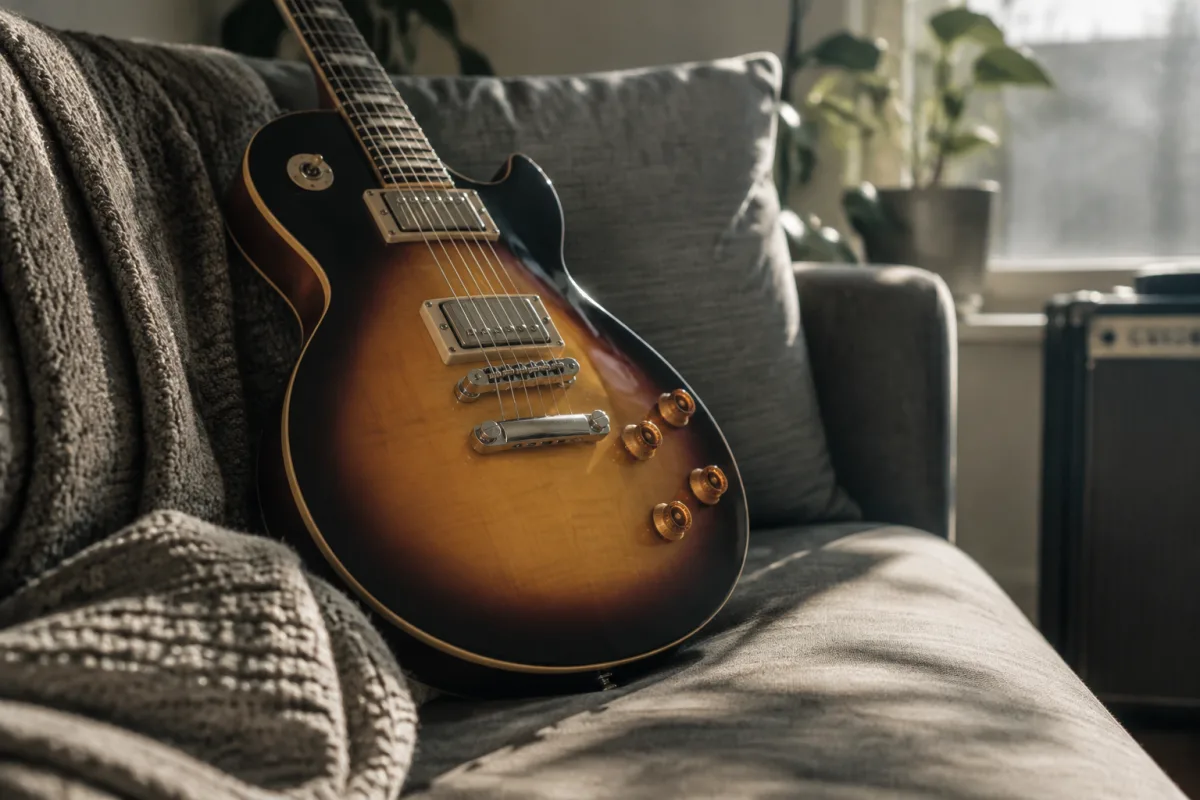
The Epiphone Studio Les Paul represents an accessible gateway into the legendary Les Paul guitar tradition without the premium price tag of Gibson's original. As Epiphone's answer to affordability without sacrificing playability and tone, the Epiphone Studio Les Paul has earned respect amongst beginner and intermediate players worldwide. Whether you're starting your musical journey or adding to an established collection, understanding what makes the Epiphone Studio Les Paul distinctive helps you make an informed purchase decision.
What Is the Epiphone Studio Les Paul?
The Epiphone Studio Les Paul is a solid-body electric guitar modelled after Gibson's iconic Les Paul design. Epiphone, owned by Gibson, manufactures these instruments with attention to capturing the Les Paul's essential character whilst maintaining a budget-conscious price point. The Epiphone Studio Les Paul features the classic single-cutaway body shape, dual humbucker pickups, and substantial weight that define the Les Paul legacy, making it an excellent choice for players seeking authentic Les Paul tone and feel without the investment required for a genuine Gibson.
The "Studio" designation indicates a streamlined approach to the design. Unlike the premium Studio model from Gibson, Epiphone's version strips away unnecessary frills and elaborate binding, focusing on core playability and tone. This philosophy results in an instrument that remains true to the Les Paul's character whilst remaining remarkably affordable.
The Les Paul Legacy and Epiphone's Place in It
The original Les Paul, designed in collaboration with guitarist Les Paul and manufactured by Gibson starting in 1952, revolutionised electric guitar design and tone. The instrument became synonymous with rock and blues, graced by legendary players including Slash, Jimmy Page, and Joe Satriani. Gibson's Les Paul commands premium prices reflecting its heritage and craftsmanship. Epiphone, as Gibson's more affordable subsidiary, has democratised access to the Les Paul design for decades.
The Epiphone Studio Les Paul carries forward this tradition, offering players the Les Paul aesthetic and fundamental tone character at a fraction of the cost. Epiphone has continuously refined its Les Paul models, and the Studio variant represents a reliable, playable interpretation of the classic design that suits beginners through intermediate players.
Body and Construction of the Epiphone Studio Les Paul
The Epiphone Studio Les Paul features a solid mahogany body combined with a maple top, mirroring Gibson's traditional Les Paul construction approach. This wood combination produces the warm, thick resonance that defines Les Paul tone. The body's substantial weight and density contribute to sustain and tonal richness, though some players find the Epiphone Studio Les Paul slightly lighter than comparable Gibson instruments.
Construction quality on the Epiphone Studio Les Paul emphasises affordability without major compromises. The guitar is typically assembled overseas (often in Indonesia or Korea, depending on the production year), which allows Epiphone to maintain competitive pricing. Whilst construction quality is respectable, inspecting individual instruments for any defects before purchase remains important, as quality control can vary slightly across production batches.
Neck and Playability
The Epiphone Studio Les Paul sports a mahogany neck with a rosewood fingerboard, providing comfortable playability for most hand sizes. The neck profile tends toward the chunkier side compared to modern thin-neck designs, giving the Epiphone Studio Les Paul a substantial, vintage feel. This chunky neck requires less hand strength to fret cleanly compared to thinner necks, making it forgiving for developing players.
The fretwork on the Epiphone Studio Les Paul typically ranges from acceptable to good. Some examples exhibit excellent fret quality with minimal dressing required, whilst others benefit from professional fret crowning and levelling. Given the instrument's price point, inspecting the frets in person before purchase helps you avoid problematic examples. The frets themselves are properly crowned and dressed at the factory, though some players prefer to have professional setup work done before taking the guitar home.
Pickups and Electronics in the Epiphone Studio Les Paul
Most Epiphone Studio Les Paul models feature Epiphone's house-brand humbucker pickups, typically Alnico or occasionally ceramic-magnet designs depending on production year. These pickups deliver solid tone with classic humbucker warmth and thickness. They lack the refined response and nuance of premium pickups found in higher-end instruments, but they're entirely functional and musical.
The electronics include standard Les Paul configuration: volume and tone controls for each pickup, plus a three-way selector switch. Quality potentiometers and capacitors are adequate but not premium-grade. Wiring is typically solid and reliable. Many players upgrade the electronics over time, installing superior pickups and electronics for enhanced performance, but the stock components work well for learning and developing as a player.
Tone and Sonic Character of the Epiphone Studio Les Paul
The Epiphone Studio Les Paul delivers tone that's distinctly Les Paul in character—warm, thick, and full-bodied. The mahogany body and maple top combination produces natural warmth and sustain. The humbucker pickups contribute punch and thickness ideal for blues, rock, and heavier genres. Compared to a genuine Gibson Les Paul, the Epiphone Studio Les Paul's tone is slightly thinner and less refined, but the tonal family is unmistakably Les Paul.
Clean tones on the Epiphone Studio Les Paul are warm and smooth, responding well to articulate picking and dynamics. Driven through overdriven or distorted amplifiers, the Epiphone Studio Les Paul produces chunky, satisfying rhythmic tones perfect for rock and blues. Lead tones sing with good sustain and presence. The guitar's naturally warm character means it suits vintage and classic amplifier voicings exceptionally well, though it adapts to modern solid-state and digital amplifiers too.
Specifications and Available Variations
The Epiphone Studio Les Paul comes in several iterations and colour options. Standard finishes include Heritage Cherry Sunburst (the classic Les Paul appearance), Ebony, and Vintage Sunburst, though limited editions introduce additional finishes periodically. Some years saw Epiphone introduce the Epiphone Studio Les Paul Plus with upgraded components like better pickups and hardware.
Weight varies slightly between examples, typically ranging from 8 to 9.5 pounds (approximately 3.6 to 4.3 kilograms). Scale length is 24.75 inches, matching the standard Les Paul specification. The guitar features a 22-fret fingerboard (some models) or 24-fret options depending on production year, offering slightly different note access for lead playing.
Comparing the Epiphone Studio Les Paul to Alternatives
Competitors to the Epiphone Studio Les Paul include Squier's Affinity Telecaster (if you prefer single-cutaway alternatives), Ibanez's starter solidbodies, and even lower-priced Epiphone offerings like the SG or Dot semi-hollow designs. The Epiphone Studio Les Paul's main competitor is the Squier Classic Vibe Telecaster Plus, which offers comparable quality at similar pricing but with Fender's single-cutaway design.
The Epiphone Studio Les Paul directly competes with the Epiphone Les Paul 100, which is a simplified version with fewer features and slightly lower quality. For the marginal price difference, most players find the Studio model's upgraded components worthwhile. The Gibson Les Paul Studio sits at the premium end, offering superior craftsmanship and tone but at substantially higher cost.
Is the Epiphone Studio Les Paul Right for You?
The Epiphone Studio Les Paul suits several types of players. Beginners benefit from the affordable price point and authentic Les Paul experience. Intermediate players often keep an Epiphone Studio Les Paul for backup or experimentation purposes. Some experienced musicians purchase the Epiphone Studio Les Paul specifically for modification projects, customising electronics and hardware to create unique instruments.
Consider the Epiphone Studio Les Paul if you love the Les Paul aesthetic and tone but have a limited budget. If weight is a concern (some players find Les Pauls fatiguing during long sessions), test one before purchasing. If you specifically need a vintage Les Paul tone for recording purposes, a quality setup and potential pickup upgrade can make the Epiphone Studio Les Paul shine in a mix.
Tips for Maximising Your Epiphone Studio Les Paul
Upon purchasing an Epiphone Studio Les Paul, professional setup optimises playability. String action, truss rod tension, and bridge intonation adjustment transform the experience from good to excellent. Upgrading the strings to quality brand like D'Addario or Elixir enhances tone and tuning stability significantly.
Many Epiphone Studio Les Paul owners eventually upgrade the pickups to aftermarket options from Seymour Duncan, DiMarzio, or other premium manufacturers. This upgrade substantially improves tone clarity and responsiveness without requiring other modifications. Some players also upgrade the tuning machines and bridge hardware for enhanced tuning stability and comfort.
Conclusion
The Epiphone Studio Les Paul deserves its reputation as an accessible, reliable entry point into the Les Paul legacy. Offering authentic Les Paul tone and feel at a fraction of the price of a genuine Gibson, the Epiphone Studio Les Paul serves beginners through intermediate players exceptionally well. Whether you're just starting your musical journey or seeking an affordable second guitar, the Epiphone Studio Les Paul delivers classic tone, comfortable playability, and that unmistakable Les Paul character that has inspired generations of musicians. With modest setup and potential future upgrades, the Epiphone Studio Les Paul becomes a rewarding instrument that grows with your playing abilities and musical ambitions.


Comments