
Classic Les Paul Guitars article
The Complete Guide to Classic Les Paul Guitars
Discover the classic Les Paul guitar: a timeless design trusted by rock, blues and hard rock legends for over 70 years of proven performance.
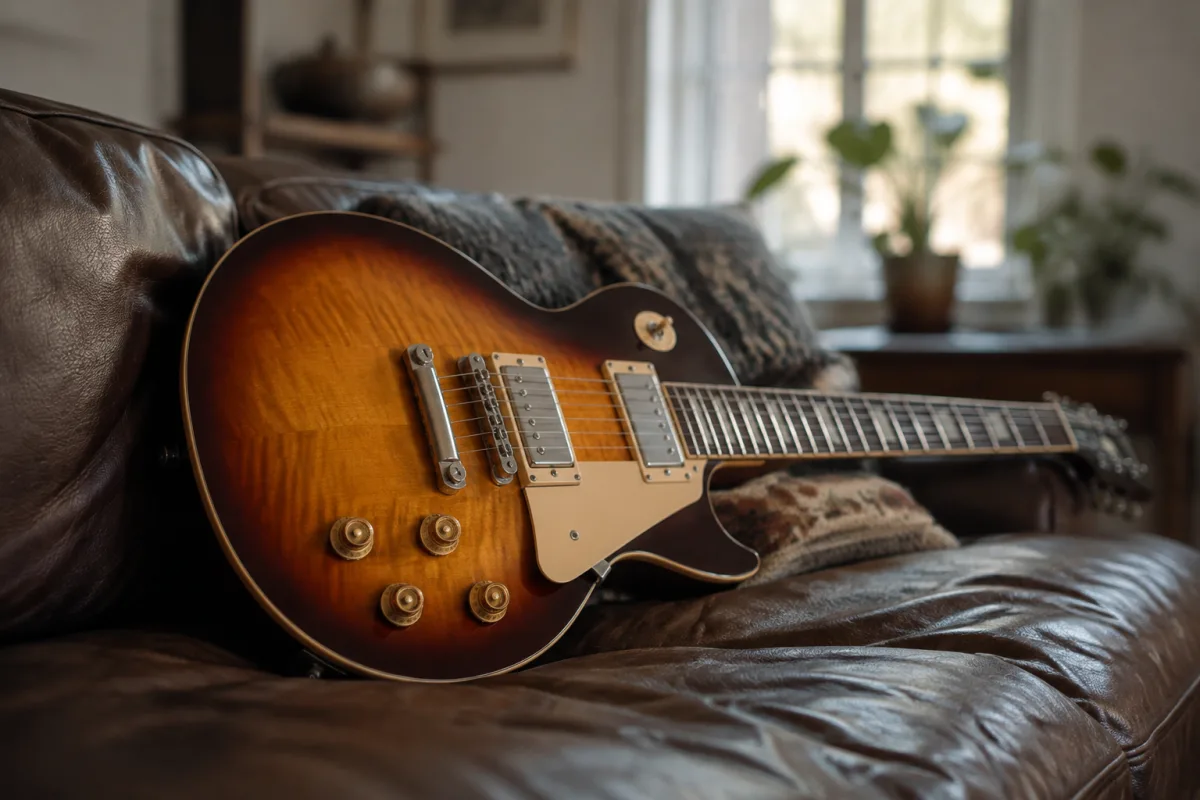
The Gibson Les Paul stands amongst the world's most iconic and beloved electric guitars, a design so enduring and musically powerful that it has remained virtually unchanged for over 70 years. Whether you're a rock virtuoso, a blues professional or a guitarist building your first collection, understanding this classic Les Paul guitars appeal, specifications and variations helps you appreciate why this single design has shaped popular music's sound and continues to reward players of every level.
History and Design Legacy
Gibson introduced the classic Les Paul guitars in 1952, designed by founder Ted McCarty and namesake legendary guitarist Les Paul. The instrument combined a solid mahogany body, arched maple top, two powerful humbucking pickups (added in 1957) and a scale length optimised for thick, singing tone. This combination proved remarkably durable in appeal: classic models remain functionally and aesthetically similar to 1950s originals.
Early classic Les Paul guitars examples were built by hand using quality materials and careful craftsmanship. This heritage of quality distinguishes vintage instruments as highly collectable and influences modern production standards.
Tonal Characteristics
The Les Paul delivers a warm, thick, powerful tone that defines rock, blues and hard rock music. The solid mahogany body combined with humbucking pickups produces sustain, harmonic richness and natural compression that responds to playing touch. This characteristic sound has made classic Les Paul guitars the choice of countless recording artists and touring musicians worldwide.
The guitar's weight contributes to tonal character—classic models are notably heavier than many competitors, which some argue enhances resonance and sustain. This heft is a trade-off for comfort during extended playing sessions.
Construction and Specifications
A typical classic Les Paul guitars features: solid mahogany body with arched maple top, mahogany set neck with 22 frets, two humbucking pickups with 3-way selector, simple volume and tone controls, and a hardtail bridge. Modern versions maintain this formula whilst incorporating contemporary manufacturing consistency and quality control standards.
These instruments come in various finish options: sunburst (most iconic), solid colours like black or white, and specialty finishes. Each affects perceived tone and aesthetic appeal.
Iconic Players and Cultural Impact
Virtually every significant rock, blues and hard rock musician has played a Les Paul at some point in their career. Players like Jimmy Page, B.B. King, Slash and countless others have defined their sound through this design. This cultural association makes classic Les Paul guitars immediately recognisable and aspirational for guitarists everywhere.
The classic Les Paul features prominently in rock mythology and music history, cementing its status as more than just a tool—it's a cultural icon.
Vintage vs. Modern Versions
Vintage models from the 1950s-1960s cost thousands to tens of thousands of pounds, reflecting rarity and historical significance. Modern classic Les Paul guitars, produced by Gibson in the USA or overseas subsidiaries, range from £1500-3000 for standard versions to £3000+ for special editions and professional models.
Budget alternatives from Epiphone (Gibson's sister brand) offer genuine classic Les Paul guitars character at around £400-800. These instruments prove that authentic playing experience and classic tone are accessible at lower price points.
Playing Style Considerations
The instrument's weight makes it less suitable for players who stand for extended periods. The solid body transmits vibration and feedback that some find expressive and others problematic in certain amplification settings. The shorter scale length (compared to Fender Stratocasters) requires some adjustment for players used to longer necks.
Despite these considerations, the vast majority of players adore the Les Paul and consider its weight and character genuine strengths rather than limitations.
Investment and Resale Value
The classic Les Paul holds value exceptionally well. Used examples maintain strong demand, and vintage originals appreciate over time. This value retention makes purchasing a classic Les Paul guitars a more financially sound investment than many musical instruments—you can enjoy the guitar and reasonably expect to recover a significant portion of your investment if you later sell.
Conclusion
The classic Les Paul remains the ultimate expression of a timeless guitar design. Whether you're purchasing your first professional instrument or adding to an established collection, this guitar offers proven tone, undeniable cultural pedigree and the satisfaction of owning an instrument that will serve your musical voice for decades. From bedroom players to stadium touring professionals, its enduring appeal speaks to something fundamental about music, craftsmanship and the human need for authentic artistic expression.


Comments