


Les Paul Junior Gibson article
The Ultimate Guide to Gibson Usa Les Paul Junior
The Gibson Les Paul Junior is a straightforward, no-nonsense single-cutaway electric guitar that rewards skilled playing with honest tone and encouraging playability. It's not a luxury instrument; it's precisely what it claims to be—and that authenticity is exactly what makes it special.
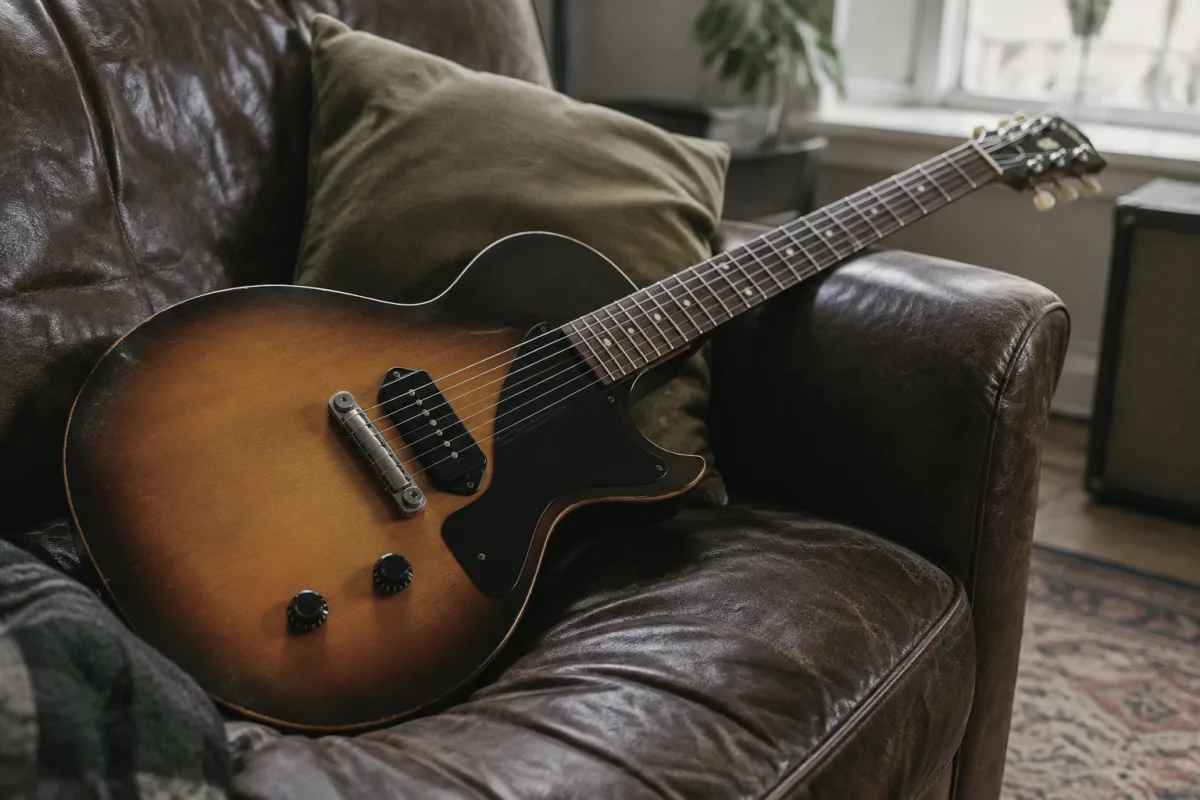
The Gibson Les Paul Junior occupies a fascinating corner of guitar history—a stripped-down, single-cutaway electric guitar that has inspired generations of guitarists whilst remaining delightfully unapologetic about what it isn't. It's not a luxury instrument laden with boutique hardware and exotic tonewoods. It's a straightforward, direct, no-nonsense guitar that prioritises playability and honest tone above all else. But here's the thing: that simplicity is precisely what makes the Les Paul Junior special. When all the marketing noise falls away, you've got a guitar that rewards skill and delivers genuine character—the sort of instrument that made some of rock music's most iconic recordings.
Understanding the Gibson Les Paul Junior
The Les Paul Junior was introduced by Gibson in 1954 as an affordable entry point to the Les Paul family. Whilst the original Les Paul Standard was reserved for professional musicians and wealthy enthusiasts, the Junior used simplified construction, fewer appointments, and more basic hardware to deliver a genuine Les Paul experience at a fraction of the cost. Early models featured single-coil pickups, a single cutaway body, and a straightforward finish—no binding, no fancy inlays, no complexity.
Over seventy years, the Les Paul Junior has evolved through several distinct eras. Early 1950s models are now collector's items, sought after for their warm single-coil tone and vintage character. 1960s models increasingly featured dual humbuckers—the move that transformed the Junior's sonic character from warm and articulate to thick and creamy. Modern Gibson Les Paul Junior models sit somewhere between affordable introductions to the Junior line and affordable versions of the classic design.
Core Characteristics of the Les Paul Junior
Construction typically features a solid mahogany body topped with a plain maple veneer—no elaborate flame or quilted top, just straightforward materials. The neck is mahogany, the headstock carries the classic Gibson shape, and the body shape is unmistakably Les Paul: a single-cutaway outline, slightly rounded edges, and a overall heft that communicates substance and quality even on entry-level models.
Most modern Les Paul Juniors feature two humbucker pickups, providing the thick, warm tone that defines the Les Paul character. The hardware is typically simplified compared to Standards and Customs—basic tuning machines, a straightforward bridge and tailpiece, volume and tone controls for each pickup, and a 3-way selector switch. Nothing fancy, but everything necessary.
Playability is where the Les Paul Junior shines. The simplified construction means fewer potential points of frustration. The neck profile is typically comfortable and fast. The action, when properly set up, feels responsive and encouraging. For developing guitarists or anyone wanting a direct, unpretentious playing experience, the Les Paul Junior delivers.
Tone and Sonic Character
A Les Paul Junior with humbuckers produces a thick, warm, slightly dark tone—characteristic of Gibson's approach to electric guitar design. The tone sits naturally in the midrange, rarely thin or brittle. Clean tones are warm and woody; driven tones are chunky and assertive without becoming harsh. The guitar responds beautifully to subtle dynamics—playing with your thumb produces a warmer attack, attacking with a pick produces sharper articulation.
Early single-coil Junior models had a different character: brighter, more articulate, with less overall output. These vintage models are prized by players who want clarity and definition rather than thick warmth. Choosing between single-coil and humbucker versions (or eras) depends entirely on your tonal preferences and intended playing style.
Les Paul Junior vs Other Les Paul Models
The Les Paul Standard sits at the premium end: figured maple top, multi-ply binding, elaborate inlays, and typically £3,000–£6,000. Beautiful, prestigious, and sometimes intimidating to actually play hard.
The Les Paul Custom is the ultra-premium version: all-black finish, multiple binding, block inlays, and cost approaching £5,000–£7,000. Stunning aesthetic, but again, you're often paying as much for the look as the tone.
The Les Paul Junior costs £1,000–£2,500 depending on the year and version. You sacrifice fancy cosmetics, but you gain an instrument that encourages actual playing rather than safe, precious handling. Many working musicians prefer Juniors precisely because they're robust, unpretentious, and focused on substance over appearance.
The Les Paul Junior's Historical Significance
The Junior played a crucial role in popularising the single-cutaway body shape. When Fender dominated American guitar culture with the Telecaster and Stratocaster, Gibson's single-cutaway designs—particularly the affordable Junior—provided an alternative aesthetic and tonal character. Early rock and roll pioneers used Les Paul Juniors because they were accessible and delivered the warm, thick tone that early rock demanded.
Jazz musicians embraced the Junior for its articulate clean tone and responsive feedback. Blues players loved its sustain and ability to bend strings without excessive finger strength. Rock musicians appreciated its output and ability to drive amplifiers into overdrive with genuine authority. The Junior was never a one-genre guitar; it was (and remains) genuinely versatile.
Buying a Les Paul Junior Today
Modern Gibson Les Paul Junior models offer excellent value. An entry-level Gibson Junior costs roughly what you'd spend on mid-range brands' premium models—you're paying for Gibson's name and heritage, but you're getting genuine quality in return. The build is solid, the electronics are reliable, and the tone is authentic.
Vintage Les Paul Juniors command high prices for good reason. Early single-coil models can cost £3,000–£8,000+ depending on condition, originality and year. Even 1960s humbucking versions attract serious money. But a vintage Junior bought as a player, not an investment, delivers genuinely superior tone and character compared to modern versions—the payoff for vintage's higher cost is authenticity and aged wood resonance.
If budget is tight, Epiphone Les Paul Junior models (Epiphone being Gibson's more affordable brand) offer legitimate value. They're not as refined as Gibson versions, but they're genuinely playable and deliver enough Les Paul character to satisfy most guitarists.
Building Skills With a Les Paul Junior
The Junior rewards genuine effort. Because it's straightforward and direct, there's nowhere to hide—your playing skill determines the tone you get, not the guitar compensating for technique weaknesses. This demands honesty and encourages development. As your skills improve, the Junior reveals more depth. The guitar grows with you.
Bending strings is easier on a Junior than many Stratocasters—the thicker strings and warmer tone respond well to pitch manipulation. Rhythm playing sits naturally in the instrument's character. Lead work, whilst harder on lighter guitars, sounds assertive and commanding on a Junior. The guitar encourages certain playing styles naturally.
The Enduring Appeal of the Les Paul Junior
Seventy years after introduction, the Les Paul Junior remains relevant precisely because it's never chased trends. It doesn't try to be the most modern guitar, the most versatile guitar, or the most prestigious guitar. It's simply a well-made single-cutaway electric that delivers warm, thick, responsive tone to anyone willing to play it honestly.
Working musicians, developing guitarists, and seasoned professionals all find value in the Les Paul Junior. It's too good to dismiss as merely entry-level, yet too straightforward to pretend it's something it's not. That authenticity—that refusal to apologise for being exactly what it is—is precisely what makes it enduring.
A Gibson Les Paul Junior is an investment in straightforward, honest guitar playing. No hype, no pretension, just a well-made instrument waiting for someone to play it well.





Comments