


Squier Jazzmaster Guitar article
Squier Jazzmaster Guitar for Beginners: A Complete Guide
A Squier Jazzmaster is different from standard guitars but brilliant for beginners. This guide covers setup, first steps, and how to get comfortable.
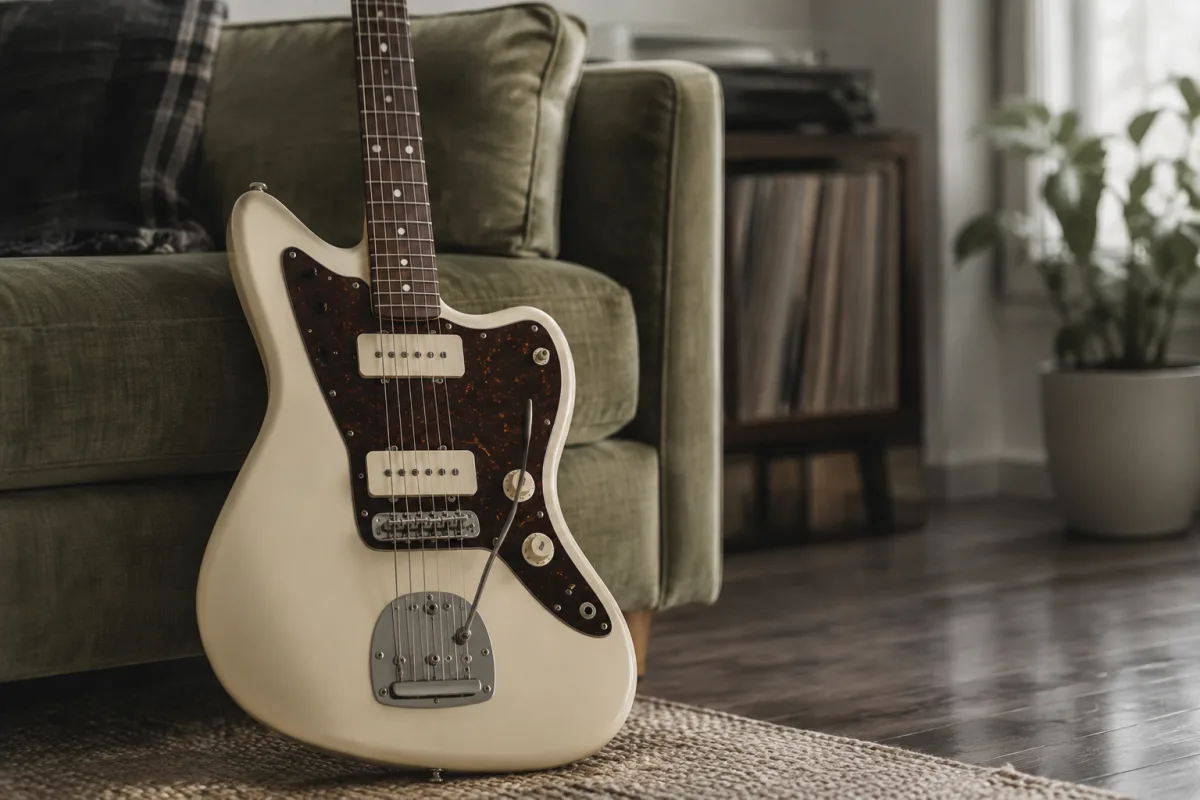
Getting Started With Your Squier Jazzmaster
If you're a beginner with a Squier Jazzmaster guitar and you want to actually play it comfortably, this guide is for you. The Jazzmaster is a brilliant instrument—offset body, unique tone, genuine character—but it's quite different from a standard guitar. I'm going to walk you through setup, first steps, and how to develop good playing habits on this specific instrument.
Understanding Your Squier Jazzmaster Guitar
A Squier Jazzmaster is the budget version of the Fender Jazzmaster, a semi-hollow-body guitar popular with alternative rock and indie players. The offset body shape feels unusual at first—different balance, different ergonomics than a Stratocaster. The Squier version maintains the character and playability of the original at a fraction of the price.
Your Squier Jazzmaster guitar comes with vintage-style wiring and single-coil pickups that produce a bright, punchy tone. This is perfect for the kind of music Jazzmasters were designed for, but it requires understanding how to get the most from it.
First Setup: Make It Playable
When you first get your Squier Jazzmaster guitar, the action (string height) is often higher than ideal for a beginner. Spend 30 minutes adjusting the bridge and nut to get the strings comfortable but not too low (which causes buzz). This single adjustment makes your instrument dramatically more enjoyable.
Check the neck straightness. Sight along the fretboard—it should be relatively straight with just a tiny bit of curve. If it's noticeably bowed or twisted, a repair person can adjust the truss rod, but most new Squiers are fine.
Get the intonation set. A simple online tuner tells you if your Squier Jazzmaster guitar is in tune. If the tuning is significantly off (especially on specific frets), a luthier can intonate the bridge in about 30 minutes for £20-£40. This investment transforms the instrument.
Learning the Offset Body
The Squier Jazzmaster guitar's offset body takes a week or two to get comfortable with. It hangs differently than a standard guitar, and you might feel off-balance at first. The good news: within days of playing, your muscle memory adapts and it feels natural.
Spend your first few sessions just sitting with the guitar, getting used to the weight and balance. Play a few simple chords and melodies. Don't stress about sounding good—focus on comfort. Once the Jazzmaster guitar feels natural in your hands, playing becomes easier.
Understanding the Electronics
Your Squier Jazzmaster guitar has switching that might seem complicated. The three-way selector switch changes pickups or combines them. The tone controls shape the bright single-coil sound. The rhythm circuit is a volume and tone control for rhythm playing, separate from the lead controls. Don't worry about mastering all this immediately—experiment over time.
The Jazzmaster guitar's bright tone takes getting used to. If it sounds harsh at first, that's actually its character. Leave the tone knob slightly rolled down while learning, and as your ear adjusts, gradually brighten it. Most players eventually love the Jazzmaster guitar's punchy sound.
Common Beginner Issues
The Squier Jazzmaster guitar's offset body sometimes causes the strap button to sit awkwardly. If your strap slips off easily, add a second strap button or use a strap lock. This isn't a defect—it's just the design. A small adjustment fixes it.
The Jazzmaster guitar's vibrato system (if your model has one) can seem intimidating. Leave it alone while learning. Once you're comfortable playing, experiment gently. The vibrato adds character but isn't necessary for beginners.
The single-coil pickups are noisier than humbuckers when you're not playing. This is normal. It's not a problem with your Squier Jazzmaster guitar—it's just how single-coils work. Turn down the volume when you're not playing, and it disappears.
Building Habits
Practice with your Squier Jazzmaster guitar daily. Even 20 minutes develops better technique than sporadic long sessions. The offset body and unique electronics mean the guitar responds to good technique—you'll notice improvement quickly.
Learn simple songs that suit the Jazzmaster guitar's character. The instrument was designed for indie rock, alternative, and surf music. Playing music that matches its natural tone makes learning more satisfying.
Maintenance
Wipe down your Squier Jazzmaster guitar after every session. Sweat corrodes frets over time. Every few months, check that the strap buttons haven't loosened. Clean the pickups occasionally—dust accumulates and affects tone.
When strings sound dull after a few months of regular playing, change them. A new set (£10-£20) makes your Squier Jazzmaster guitar sound fresh. This is a sign you're progressing, not that something is broken.
Growth and Improvement
A Squier Jazzmaster guitar doesn't get old as you improve. Professionals use Jazzmasters, and many actually prefer Squier's vintage take to newer Fender versions. Your instrument will grow with you from beginner to intermediate to advanced playing.
As you develop, experiment with the electronics and tone shaping. The Jazzmaster guitar's flexibility rewards technique and creative exploration. It's genuinely rewarding to discover how much tonal character you can get from this offset design.
For a complete guide covering history, all models, and technical details, see our complete Squier Jazzmaster guitar guide.


Comments