


Jazzmaster Baritone Buying guide
Jazzmaster Baritone: A Complete Buyer's Guide
Buying a Jazzmaster baritone requires knowing what to evaluate and where to look. This guide helps you choose an instrument that suits your playing, budget, and musical goals.
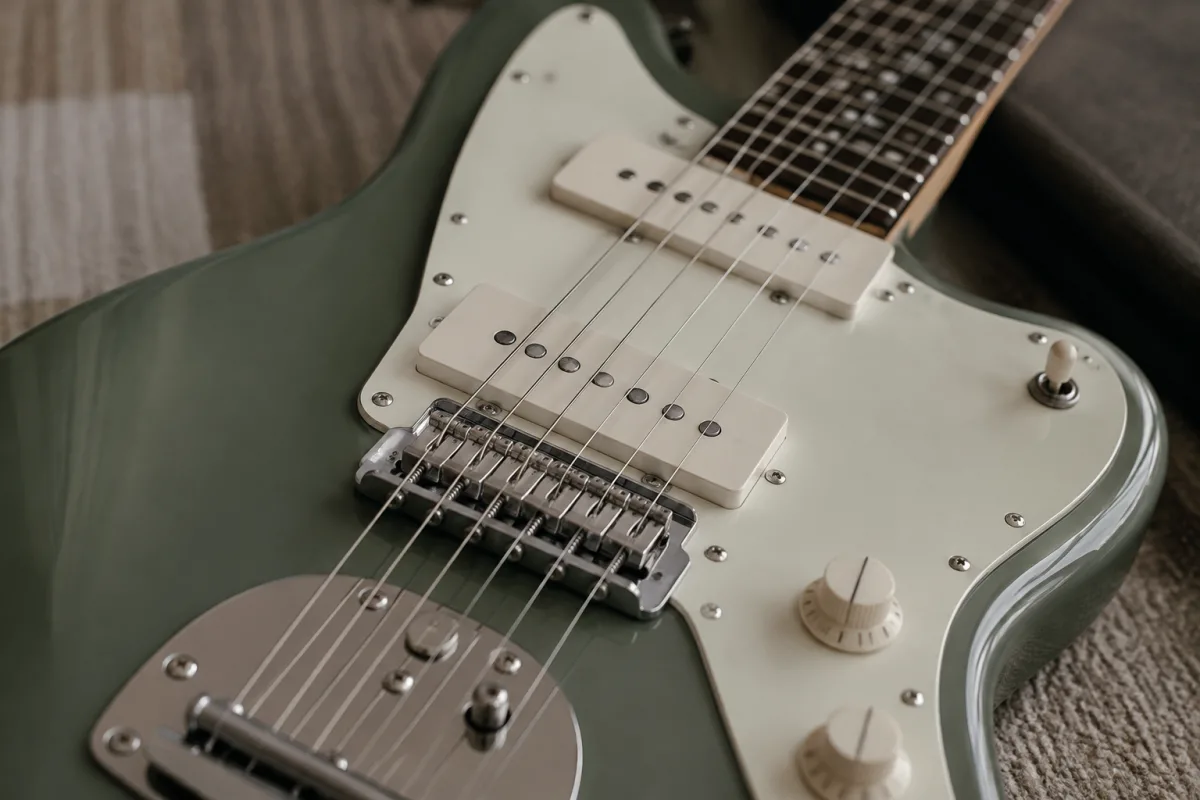
Buying a Jazzmaster baritone is a significant decision. These distinctive guitars offer tonal depth and visual character that standard instruments can't match, but finding the right one requires knowing what to evaluate and where to look. This guide cuts through the confusion, helping you choose a baritone Jazzmaster that genuinely suits your playing, your budget, and your musical ambitions.
Understanding Scale Length and What It Means for You
The most fundamental difference between a Jazzmaster baritone and its standard counterpart is scale length. Standard Jazzmasters sit around 29.75 inches; baritones push toward 30.5 or even 32 inches. This longer scale means lower tuning, tighter string tension, and a distinctly different playing feel. Before buying, consider whether you actually want that extra heaviness in your hands. If you're used to standard electrics, baritone neck reach demands genuine adjustment in your fretting comfort.
Longer scale also means longer-scale strings are essential. Standard guitar strings won't tension properly. This affects ongoing costs and availability—baritone strings are less common in casual shops, though online sources are reliable. Factor this into your total ownership cost.
The Three Price Tiers: What You're Actually Paying For
Jazzmaster baritones exist at three distinct price levels, each targeting different players:
- Entry-level (£600–£1,200): Usually made by Fender Squier or offshore alternatives. These offer the baritone sound and playability for hobbyists and experimenters. Quality control is inconsistent; expect to see finish imperfections or fret irregularities. Good for your first baritone experience but not for professional recording without setup work.
- Mid-range (£1,200–£2,000): Genuine Fender American or professional import alternatives. These are proper instruments with reliable construction, consistent playability, and resale value. Most working musicians buy here if they commit seriously to baritone playing. String-through hardware, quality pickups, and stable necks are standard.
- High-end (£2,000+): Boutique makers, vintage originals, and premium Fender Custom Shop editions. You're paying for exceptional craftsmanship, rare tonewoods, or historical significance. Unless you're a collector or professional studio player, this tier offers diminishing practical returns.
Essential Specifications to Check Before Buying
When evaluating a specific Jazzmaster baritone, examine these elements carefully:
- Pickup type: Jazzmaster pickups are uniquely sensitive to magnetic field strength. Original-design pickups suit surf tones; hot aftermarket pickups work better for heavier genres. Listen before buying if possible; pickups profoundly shape your sound.
- Vibrato system: Jazzmaster vibratos are notoriously sensitive. Test whether it returns to pitch accurately. Many buyers disable them entirely; if that's your plan, buying an instrument with a problematic vibrato is wasteful.
- Bridge quality: Lower-tier models often use cheap hardtail or wobbly bridges. Run your hand across it; it should feel solid with zero movement. A dodgy bridge affects intonation throughout your playing range.
- Neck finish: Glossy finishes feel sticky in summer playing. Satin finishes breathe better. This is pure preference, but test it in your playing conditions before committing.
- Fret condition: On used baritones, examine frets closely. High-fret wear forces expensive levelling and crowning. Ideally, you want minimal wear with shiny crowns showing no flat spots.
- Nut material: Bone nuts stay in tune better than plastic. Cheaper models ship with plastic; upgrading costs £30–£60 but improves stability significantly.
Common Pitfalls That Trap Buyers
Avoid these purchasing mistakes:
- Ignoring setup costs: Most new baritones benefit from professional setup—bridge height adjustment, truss rod work, intonation tweaking. Budget £80–£150 for this. That £800 bargain becomes £950 after proper setup, so factor it into your comparison.
- Assuming all Jazzmaster baritones sound similar: They don't. Wood selection, pickup choice, and hardware quality create wildly different tones. A mahogany-bodied baritone sounds nothing like an alder-bodied version. Listen to multiple demos before deciding.
- Overlooking string availability where you shop: If your local music shop doesn't stock baritone strings, buying locally seems impossible. Verify online sources work for you before committing. Some players find baritone strings slightly more expensive, which adds up if you break strings regularly.
- Buying a used Jazzmaster with vibrato issues thinking you'll fix it yourself: Jazzmaster vibratos are complex and finicky. If one doesn't work properly, professional repair costs £80–£200. That £700 bargain just became £800+.
- Skipping the weight check: Baritone bodies tend to be heavier than standard Jazzmasters, sometimes considerably. If shoulder comfort matters during long sets, hold and play the actual instrument you're buying. Weight makes a real difference over three-hour gigs.
Where to Buy: New vs. Used Considerations
New Jazzmaster baritones are reliable but limited in options. Your choices are generally Fender (standard or Custom Shop), Squier, or boutique makers. Stock varies seasonally; spring and summer see better inventory as retailers restock for festival season.
Used baritones offer better value but require vigilance. Reverb.com and eBay host reliable sellers; local shops sometimes have them. When buying used, prioritize instruments with verifiable history—those selling their player guitar versus flippers moving stock. Request detailed photos of the neck pocket, headstock, and fretboard. Ask the seller about their setup habits; players who maintain their instruments obsessively are safer bets than casual owners.
Price negotiation works better locally. Online fixed pricing is the norm, but at local shops, offering 5–10% below asking on used instruments often works, especially if you're taking it as-is without trade-in hassle.
Testing Before You Commit
Try before buying whenever possible. Play through the amplifier you'll use at home or in rehearsals. A baritone that sounds heavenly through a boutique amp might disappoint through your vintage Fender. Check playability across the entire fretboard—higher frets are where problems hide. Test the sustain on open strings, then at the 12th fret. Listen for tonal consistency; cheap baritones sometimes have dead spots.
If buying online, verify the return policy. Legitimate retailers offer at least 30 days; anything less is a red flag. This gives you time to assess the instrument properly in your own environment.
The Final Check: Ask Yourself These Questions
Before handing over money:
- Will I realistically play this baritone regularly, or am I buying novelty?
- Have I played baritone lengths before, or is this completely new to my hands?
- Does this model's tone fit my actual music, or just my fantasy of what I'll create?
- Am I buying primarily for one specific tuning and nothing else?
- Can I afford the setup, strings, and maintenance this instrument requires?
Honest answers prevent expensive buyer's remorse.
For a deeper exploration of baritone Jazzmaster capabilities and how they fit into a broader musical context, see our complete guide to Jazzmaster baritone, which covers playing techniques, genre applications, and creative uses you might not have considered.
Your Purchase Strategy
Start by testing different scale lengths and tones if possible. Once you know what you're seeking, prioritise reliable dealers with good return policies over chasing the lowest price. A middling instrument from a trustworthy seller beats a bargain from someone without recourse. Set your budget, add 15% for setup and strings, and stick to it. You'll end up with a baritone Jazzmaster you genuinely enjoy playing rather than a regretted impulse buy.


Comments