


Ibanez Jem Junior Buying guide
Ibanez Jem Junior: A Complete Buyer's Guide
An Ibanez Jem Junior offers great Jem characteristics at accessible prices. This guide covers what to check, price ranges, and buying considerations.
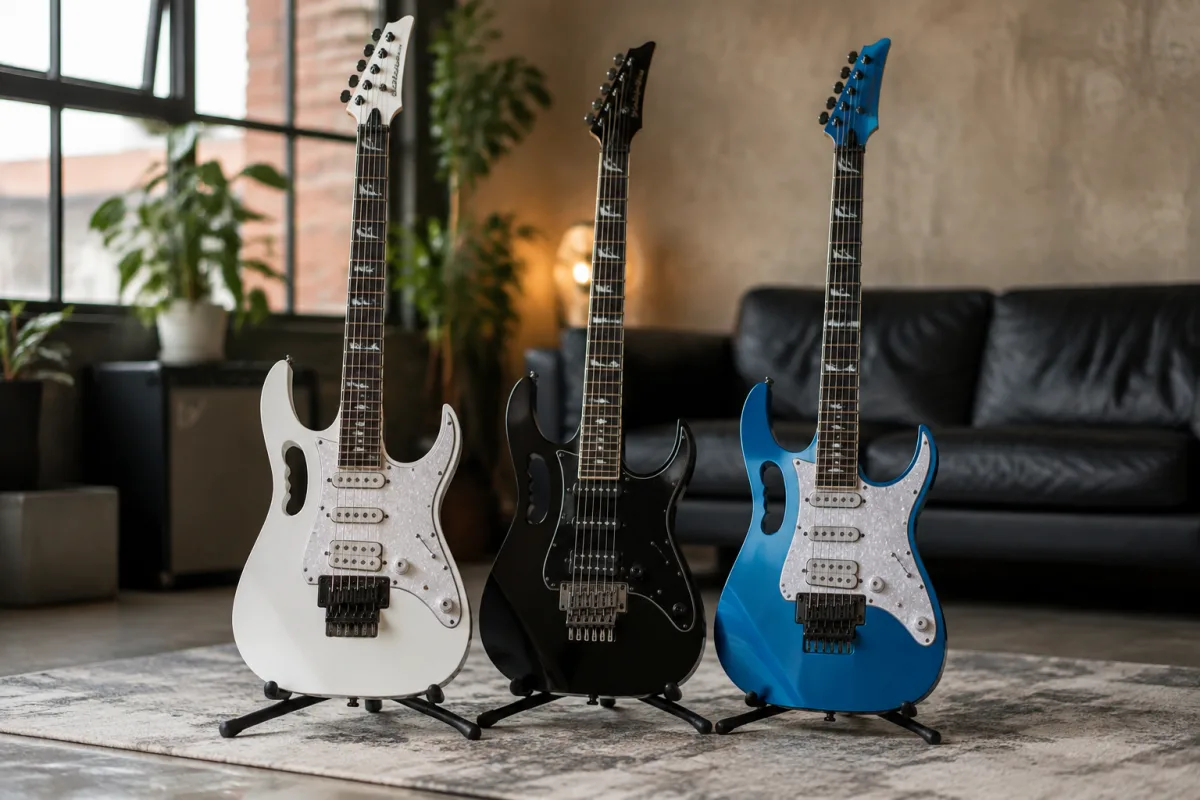
The Ibanez Jem Junior represents an accessible entry point into the Jem series—guitars famous for their versatile tone and playability. Whether you're considering this instrument as an upgrade or your first serious guitar investment, understanding what separates price tiers and what specifications matter helps you make an informed purchase. This buying guide focuses entirely on the acquisition decision—pricing, key features to verify, common pitfalls, and what to expect across different product variants.
Understanding the Market Positioning
Ibanez created the Jem Junior line to offer Jem aesthetics and core playability at lower price points than premium models. This positioning makes these instruments appealing for budget-conscious players and those wanting to test whether the Jem style suits their preferences before investing in higher-end alternatives. Market supply and pricing for this line fluctuates based on region and retail availability, affecting what you'll actually pay.
Price Tiers and What to Expect
New Jem Junior models typically cost between 400-700 pounds depending on finish, year of production, and retailer. Budget options at the lower end feature simpler hardware and potentially older model years. Premium examples at higher prices feature upgraded components or limited editions. Vintage variants from earlier production years can exceed these ranges significantly if collectible status applies.
Used Jem Junior guitars often provide excellent value—models in good condition typically sell for 60-75% of new retail pricing. This discount reflects normal wear but shouldn't indicate structural problems or failing electronics. High-quality used examples at 250-450 pounds represent legitimate bargains if condition warrants it. Factory seconds or B-stock variants sometimes sell at discounts for minor cosmetic flaws without performance consequences.
Body and Finish Examination
The Jem Junior body is typically mahogany or basswood with either solid or figured finishes. Inspect the finish carefully for cracks, chips, or separation indicating damage or poor manufacturing. Minor cosmetic wear is acceptable on used instruments; significant finish damage should significantly reduce pricing.
Check that the body feels solid with no warping or obvious defects. Run your hand along edges and curves for rough spots, excess glue, or sharp edges suggesting incomplete manufacturing. The overall appearance should feel intentional and polished, not hastily assembled. Flame patterns on figured finishes are natural variations, not defects—choose based on aesthetic preference.
Neck and Fretboard Assessment
The neck is critical to playability. Sight down the fretboard from the headstock to verify straightness—you should see a slight concave curve (relief), not a completely straight line or back-bow. Any twists or significant bows indicate problems requiring professional repair. This is a dealbreaker for most purchases unless the price reflects this cost.
Frets should be level and consistently crowned. Play up and down the fingerboard listening for buzzing, which indicates low frets or uneven surfaces. Check the neck pocket fit—there should be no gaps between neck and body. A poorly fitted neck indicates manufacturing defects or previous repairs.
The fretboard material (rosewood or synthetic alternatives) should look even without cracks or significant wear. Slight wear on common positions is normal and acceptable. Check for adequate spacing between frets and fretboard edges—edges shouldn't be sharp or uncomfortable against your hand.
Electronics Testing
Test all pickups through an amplifier, checking for noise, crackling, or dropout. Switch between pickup combinations confirming each works independently. Check volume and tone controls—they should adjust smoothly without scratching static indicating oxidation. Verify the selector switch operates cleanly through all positions. Any electronic oddities will likely require technician attention at additional cost.
Quality potentiometers and wiring are essential for long-term reliability. Amateur repairs or obvious component substitutions suggest previous problems. Original Ibanez electronics are preferable to aftermarket replacements unless the replacements are from quality manufacturers like Seymour Duncan.
Hardware and Build Quality
Examine hardware for rust, corrosion, or poor finish. Tuning machines should operate smoothly without grinding or excessive resistance. Check bridge fit and stability—it should sit flush against the body without rocking. Strap buttons should be securely fastened; pull on them to verify they won't separate during play.
Look for consistent hardware finish—mixing dull and shiny plating suggests amateur work. All screws should be tight; check that nothing rattles when you gently shake the body. These details indicate overall build quality and previous care.
Common Buying Mistakes and Red Flags
Many buyers overlook the Jem Junior's different body shapes across production years, resulting in incompatible accessories or unexpected feel differences. Verify which variant you're considering and confirm specifications match your preferences. Additionally, some production years have known issues—research your specific model year before purchasing.
Avoid instruments with cracked headstocks or hidden repairs. These are expensive to fix and affect both playability and value. Similarly, excessive fret wear, though sometimes repairable, represents significant repair costs. Weight is another consideration—some prefer lighter bodies for comfort, whilst others want more substantial instruments. Handle the guitar to assess whether the weight suits your preferences.
Where to Purchase
Authorised Ibanez retailers typically offer warranty coverage and return policies, providing protection for new purchases. Online marketplaces offer competitive pricing but less recourse for defects. Specialist guitar shops often stock multiple Jem Junior variants and permit hands-on testing. Second-hand marketplaces require more careful evaluation but offer better value if you can physically inspect the instrument.
Testing Before Committing
Always play any prospective purchase through an amplifier you're familiar with. Test open strings, closed positions, and high frets. Does it sustain well? Are there dead spots? Does the action feel comfortable? Play for at least 10-15 minutes to assess comfort and responsiveness. These subjective assessments matter far more than specs alone.
Making Your Purchase Decision
Choose based on budget, desired condition (new or used), and specific variant preferences. New guitars offer warranty protection and pristine condition. Used examples provide better value if quality justifies it. For extensive information about Jem Junior specifications, production variations, and technical details, explore our complete guide to Ibanez Jem Junior, which covers specifications across production years and technical comparisons in depth.



Comments