


Bass with Humbucker Pickups Buying guide
Bass With Humbucker Pickups: A Complete Buyer's Guide
Choosing a bass with humbucker pickups doesn't have to be overwhelming. This buyer's guide covers the key specifications, common pitfalls, price tiers, and practical advice for finding the perfect instrument for your playing style and budget.
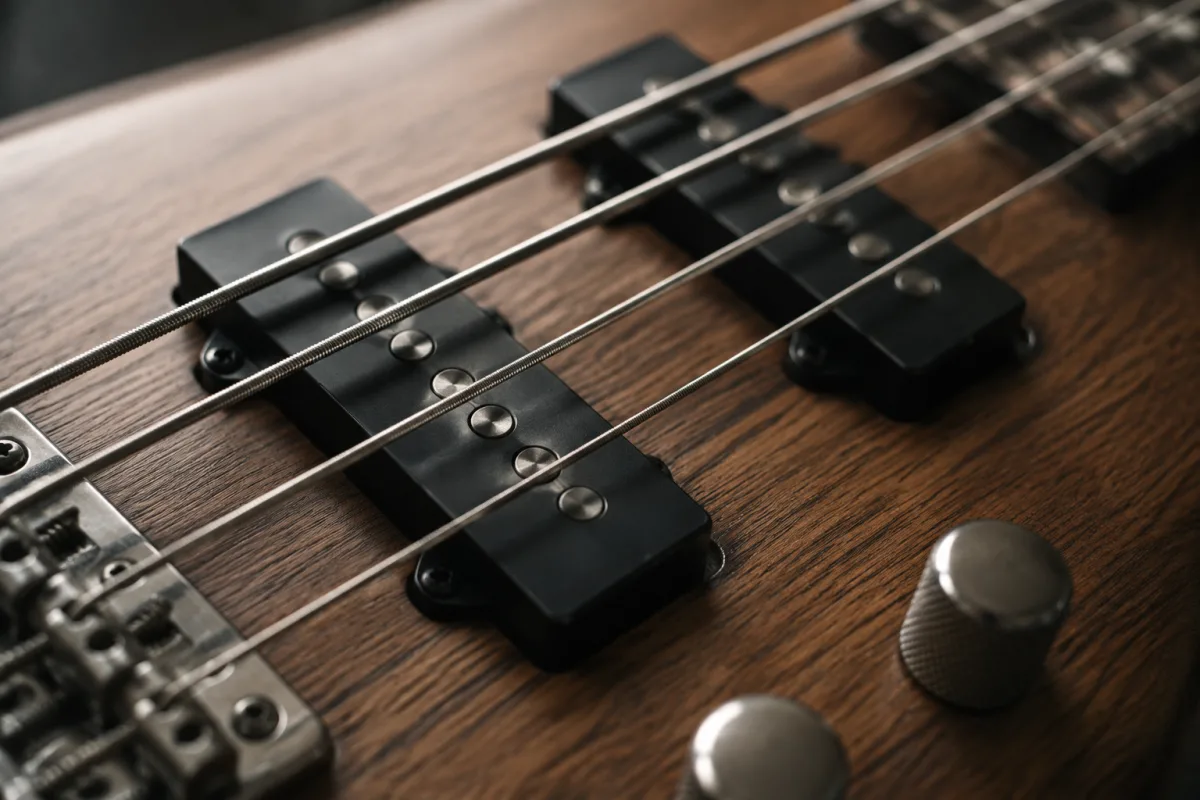
Choosing your first or next bass guitar with humbucker pickups can feel overwhelming. Whether you're drawn to the thick, warm tone of humbuckers or you're upgrading your current rig, understanding what matters will help you make a decision that suits both your budget and your playing style. This guide cuts through the marketing speak to show you exactly what to look for and what pitfalls to avoid.
Why Humbuckers for Bass Matter
Humbucker pickups on bass guitars deliver a fundamentally different character than single-coil designs. They produce a warmer, fuller tone with more midrange presence and less susceptibility to electrical interference. This makes them ideal if you play rock, metal, blues, or genres where you need punch and sustain. Before diving into specs, ask yourself whether you actually want this tonal signature or if you're chasing gear for its own sake.
Key Specifications to Check
Understanding the core specifications will save you time and money. Focus on these areas when comparing models:
Pickup Configuration
Bass guitars come with different humbucker setups. A classic dual-humbucker configuration (one at the neck, one at the bridge) gives you versatility. Single-humbucker designs are rarer but lighter and cheaper. Some premium basses offer split-humbucker options where you can switch from full humbucking to single-coil mode—useful if you want flexibility, but they're expensive and add complexity.
Body Wood and Construction
The body wood affects tone resonance. Mahogany produces warmer, darker tones; ash gives brightness; alder sits in the middle. Don't obsess over wood type—good construction matters more. Check for solid bodies versus laminated tops, and whether the bass is bolt-on or set-neck. Set-neck basses cost more but offer slightly better sustain. Bolt-on necks are perfectly adequate and easier to repair if the neck gets damaged.
Neck Profile and Playability
This is where bass feel becomes personal. Play several basses if possible. Wider neck spacing (the distance between strings) suits players with larger hands; narrower spacing helps smaller players move quickly. Most modern bass necks with humbucker pickups range from 1.5 to 1.75 inches at the nut. If you're buying online, check detailed measurements and read reviews mentioning neck comfort specifically.
Electronics and Hardware
Look for quality switches and potentiometers. Cheap electronics develop crackling and noise quickly. Premium brands use shielded cavities to reduce hum. Check whether the bass has passive or active electronics. Passive systems are simpler and more reliable; active systems offer more tonal shaping but require batteries and can fail. For beginners, passive is the safer choice.
Pitfalls to Avoid When Buying
New players often make predictable mistakes. Here's how to sidestep them:
- Paying for brand over substance: A well-made mid-range bass will outperform a poorly constructed instrument from a famous name. Research specific models, not just brand reputation.
- Ignoring setup costs: A bass that needs professional setup (truss rod adjustment, bridge work) costs extra. Factor this into your budget. Some retailers include a free setup; others don't.
- Assuming heavier means better: Weight doesn't correlate with quality or tone. A heavy bass simply fatigues you faster during long sessions. Comfort matters as much as sound.
- Buying without playing: If possible, try the exact model you're considering. Online purchases from reputable retailers with return policies are acceptable, but test it once it arrives.
- Overlooking long-term resale: Some brands hold value far better than others. If you think you might sell it later, stick with established names with strong used markets.
Price Tiers Explained
Understanding what you get at different price points helps set realistic expectations.
| Price Range | What to Expect | Best For |
|---|---|---|
| £200-400 | Budget entry-level. Basic construction, lower-grade hardware and pickups. Playable but may need setup adjustments. | Absolute beginners testing whether bass is for them. |
| £400-800 | Sweet spot for most players. Decent construction, reliable pickups, better hardware. Needs minimal setup. | Beginners getting serious and intermediate players. |
| £800-1500 | Premium construction, quality components, good resale value. Plays and sounds great out of the box. | Intermediate to advanced players looking for longevity. |
| £1500+ | Boutique or high-end production models. Exceptional materials, custom options, master craftsmanship. | Professionals and collectors; diminishing returns for most hobbyists. |
New vs Used: Making the Right Call
Buying used can stretch your budget significantly. A used £800 bass often plays as well as a new £600 model because many used instruments have been professionally set up by their previous owners. However, inspect used basses carefully. Look for fret wear, cracks in the body, and electronic issues. Always ask for a clear photo of the fretboard and headstock before purchasing online. If you're uncomfortable with used gear, new basses in the £400-600 range represent excellent value with warranty protection.
Testing Before You Commit
Visit a music shop if one is nearby. Play at least three different models with humbucker pickups side by side. Plug into an amp and pay attention to how each bass responds. Does the neck feel comfortable? Does the tone match what you hear in your head? Notice also how the bass feels after playing for 10-15 minutes—neck fatigue and shoulder strain are real concerns that only become apparent with extended play.
If you're shopping online, purchase from retailers offering a return period (typically 14-30 days). This gives you a genuine testing opportunity in your own setup. Many online retailers include professional setup as part of the purchase, which saves you money and ensures the bass arrives in playing condition.
Making Your Final Decision
Before committing to a purchase, read detailed reviews from players in your genre. Watch demo videos where the bass is played through real amps, not just studio recordings—online demos often use heavy processing that masks what the bass actually sounds like. Join bass forums and ask for opinions on specific models. Experienced players provide invaluable perspective on which basses hold up and which develop problems.
Remember that the best bass is the one you'll actually play. A slightly cheaper model that feels perfect in your hands will see far more practice time than an expensive instrument that feels awkward. Factor in your budget, your musical goals, and what feels right when you hold it. For more foundational information on bass guitars with humbucker pickups, consult our complete guide to bass with humbucker pickups.
Final Takeaway
Purchasing a bass with humbucker pickups needn't be complicated. Prioritise playability and comfort, research specific models with user reviews, and resist the urge to overspend before you're ready. Start in the £400-800 range if you're serious about learning, avoid cheap gimmicks, and remember that tone comes from your hands and technique as much as from the gear itself.


Comments