


Hollow Body Guitar Gibson Buying guide
Hollow Body Guitar Gibson: A Complete Buyer's Guide
Buying a Gibson hollow body guitar requires understanding specifications, price variations, and what to inspect. This guide covers everything from model selection to spotting pitfalls.
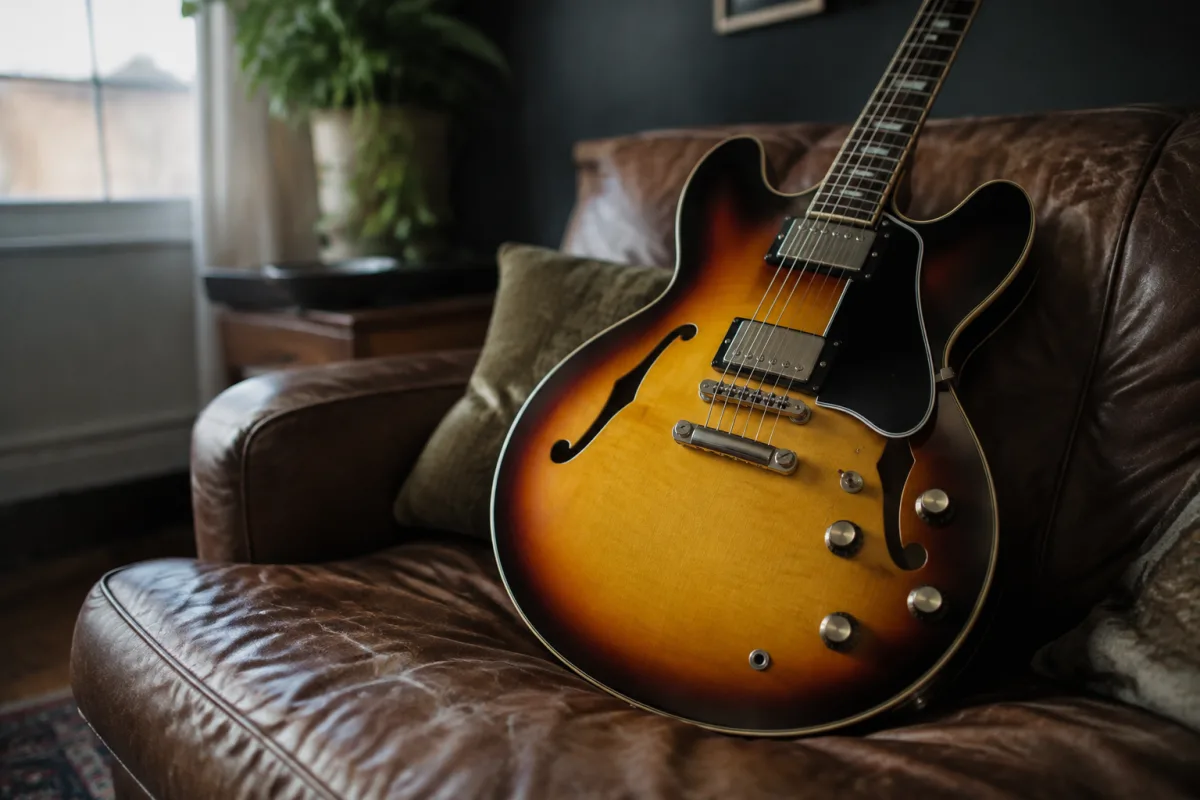
Buying a Gibson hollow body guitar is a significant investment, and getting it right means understanding what separates a genuine workhorse from an overpriced disappointment. Whether you're eyeing a classic ES-335, a vintage-inspired ES-125, or exploring what's available today, knowing which specifications matter, what to inspect, and how to navigate price variations will help you make a decision you'll actually love playing. This guide focuses entirely on the practical considerations for choosing and purchasing a hollow body Gibson—not what these guitars are, but how to pick the right one for your needs and budget.
What Makes a Gibson Hollow Body Worth the Price?
Not all hollow body guitars command the same price, and Gibson's range spans from entry-level models to genuinely expensive vintage pieces. Before you even start shopping, understand that you're paying for several things: heritage brand value, US manufacturing (in most cases), proprietary pickup designs, and tonal characteristics refined over decades. A mid-range Gibson hollow body typically costs between £1,500 and £3,500 new, whilst vintage models and premium current production can exceed £5,000. Knowing your budget isn't just about affordability—it shapes which models are actually available to you and what compromises you'll need to accept.
Understand the Core Model Range
Gibson's hollow body lineup includes several distinct models, each with different price points and target players:
- ES-335: The iconic semi-hollow standard. Expect to pay premium pricing; new models start around £2,800–£4,000. Sought-after for jazz, blues, and rock equally. Vintage versions are significantly more expensive.
- ES-125: A more affordable entry point, usually £1,200–£2,000. Delivers genuine hollow body character without the ES-335 price tag, though with slightly less prestige.
- ES-330: Fully hollow, no centre block. Warmer, more acoustic-leaning tone than the ES-335. Typically £2,000–£3,500 new. Preferred by jazz players who value feedback and resonance.
- Dot Series: The semi-affordable semi-hollow alternative. Usually £800–£1,500 new. Competent all-rounder, but lacks the refinement and resale value of pricier Gibsons.
- Vintage Stock: 1950s–1980s originals. Prices vary wildly—£2,000 for a rough 1960s model to £10,000+ for pristine examples. Only consider if you have expertise or access to a trusted evaluator.
Critical Specifications to Check
When evaluating a specific hollow body, these details separate a good buy from a regrettable one:
Top Wood Quality
Gibson hollow bodies use either laminated or solid spruce tops. Solid tops offer slightly more resonance and are found on higher-end models; laminated tops are standard on mid-range instruments and remain perfectly playable. Inspect the top for cracks, checking the interior through the f-holes with a torch. Even hairline cracks can worsen with temperature changes and humidity swings—avoid these unless you plan professional repair. Look for consistent grain and colour; darker tops often suggest finish age rather than premium wood.
Fretboard and Inlays
Rosewood fretboards are standard on most Gibson hollows. Check for deep frets—they should still have height for future dressing without running out. Inlays (block or trapezoid markers) should be even and secure. Loose inlays are cosmetic but annoying and expensive to repair. Run your finger across the frets; any sharp spots indicate uneven wear.
Hardware Condition
Tuners should be smooth and hold tuning reliably. Test each one. The bridge should sit flush against the top and have even foot contact. Tailpiece should be straight and not bent. Chrome or nickel plating may show spots on vintage models—cosmetic only, but negotiate price accordingly.
Tonal Expectations by Price Tier
| Price Tier (GBP) | Model Examples | Tonal Character | Best For |
|---|---|---|---|
| £800–£1,500 | Dot, ES-125 | Warm, slightly woody. Less sustain than higher models. Playable but character limited. | Budget-conscious beginners, testing hollow body waters |
| £1,500–£2,800 | Mid-range ES-335, ES-330 | Rich, balanced. Good sustain, clear highs, warm lows. Versatile for multiple genres. | Intermediate players, session work, jazz/blues |
| £2,800–£5,000 | Premium ES-335, custom shop models | Articulate, punchy. Full sustain, complex harmonic content. Responds well to dynamics and touch. | Professionals, recordings, demanding players |
| £5,000+ | Vintage 1950s–70s models | Highly variable. Tonal character tied to specific year, wood aging, and wear. Often superior but unpredictable. | Collectors, professionals with specific tonal goals |
Common Pitfalls When Buying
Overpaying for "Vintage" without verification: Just because a hollow body is old doesn't make it better or worth more. A beaten 1970s model might sound duller than a well-made 2015 ES-335. Have vintage guitars evaluated by a luthier before purchase.
Ignoring electronics: Pickup quality varies significantly, even within the same model year. Test through an amplifier if possible. Crackling pots, dead pickups, or loose wiring mean repair costs. Budget £200–£500 for electronics work if needed.
Misjudging comfort and feel: Hollow bodies vary in weight and ergonomics. Play seated and standing. A feather-light 1960s guitar might feel unbalanced sitting down; a heavier modern model might cause shoulder fatigue standing. There's no objective "best"—only what works for your body and playing style.
Neglecting setup costs: A guitar fresh from warehouse storage needs a professional setup: truss rod adjustment, bridge refinement, fret levelling if needed, intonation check. Budget £80–£150 for setup, regardless of what the seller claims.
Inspecting Before You Buy
Never buy blind. If purchasing in person, spend at least 30 minutes with the instrument. Plug it in, play full chords and single notes, check sustain, and assess tonal balance. Look at the back and sides under bright light for hairline cracks or amateur repairs. Check the neck for twist by sighting down the frets. Check action (string height) at the 1st and 12th frets—it should be playable, not ridiculously high (a sign of a warped neck) or dangerously low (causing buzz).
For online purchases, request detailed photos and video. Hear the seller play it through an amplifier. Confirm return policy—reputable dealers offer 14-day returns with restocking fees, reasonable cover.
Pricing Reality Check
Gibson hollow body prices fluctuate with market demand, finish rarity, and condition. A natural or sunburst finish typically costs less than cherry or custom colours. Lefty models command premiums. Used ES-335s typically resell at 60–75% of original new price if well-maintained. If you find a "deal" that seems too good to be true (40% below market), it likely is—flood damage, extensive repairs, or misrepresented condition are common culprits.
Next Steps: Making Your Decision
Start by visiting a music shop and playing several models side by side. Understand your budget realities and genre needs. If jazz or blues is your primary focus, hollow body character matters more—spend toward the mid-to-premium tier. If you're a rock player experimenting with semi-hollow tone, a mid-range ES-335 balances cost and playability. Read our complete guide to hollow body Gibson guitars for deeper background on these instruments' history and capabilities.
Finally, buy from an established dealer with a return policy and reputation. Gibson is too significant an investment for mystery purchases or unknown sellers. Take your time, trust your instincts, and remember that the "best" guitar is the one you'll actually play regularly—not the one that checks every spec box on paper.


Comments