


Harley Benton Sc 500 Buying guide
Harley Benton Sc 500: A Complete Buyer's Guide
The Harley Benton SC 500 is one of the cheapest guitars you can buy new. Whether it's a bargain or a regret depends on your expectations and what you're willing to compromise on.
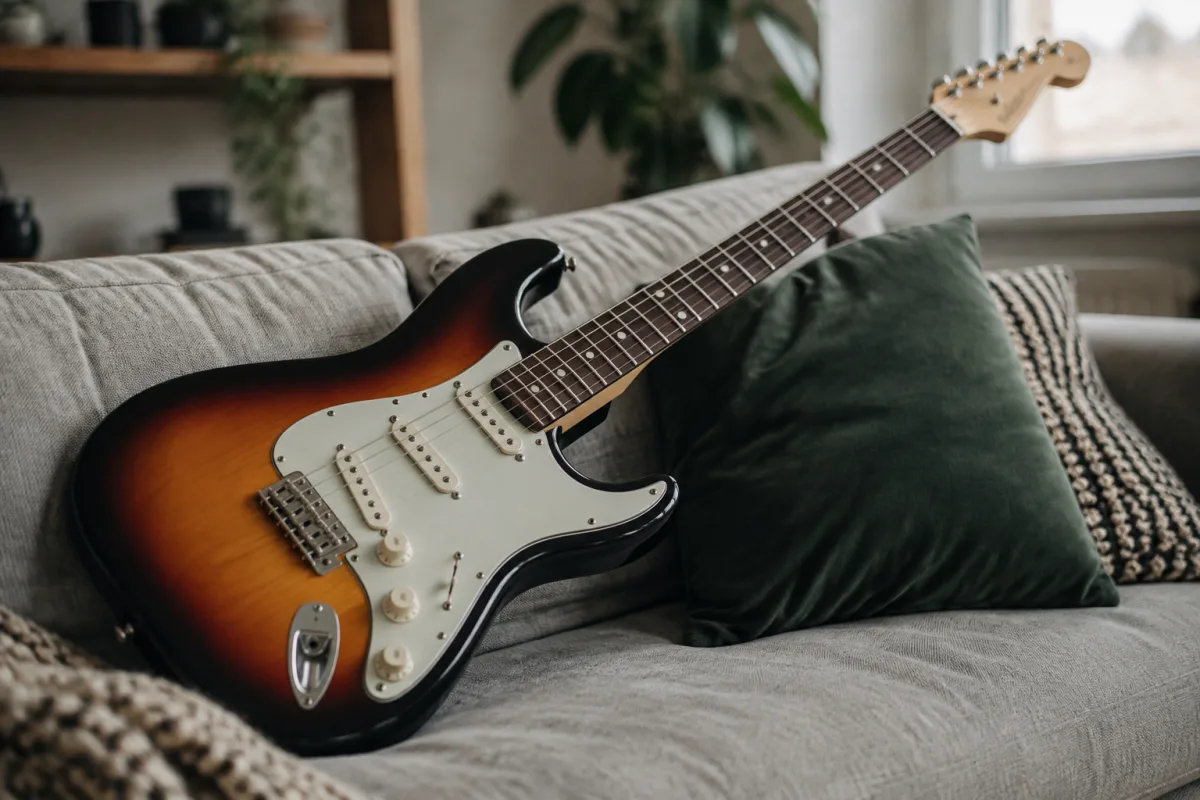
The Harley Benton SC 500 is a single-coil stratocaster-style guitar from a budget German brand that punches above its weight. Whether it's worth buying depends on your skill level, your budget and what you're willing to compromise on. This buying guide tells you what this model actually delivers, where it shines and where budget constraints show.
What you're actually getting
This is a solid-body electric with a stratocaster shape, three single-coil pickups and a traditional trem system. It's made by Thomann (a German music retailer) under their own brand, assembled primarily in Eastern Europe with imported components. At roughly £80–120, it's one of the cheapest guitars you can buy new.
Build quality and materials
For the price, the build is honest. The body is solid wood (typically lime or similar softwood), not plywood. The neck is solid timber with a rosewood fretboard. Hardware is basic but functional. The frets are roughly finished but playable after a professional setup.
Where this model cuts corners: thin paint finish that chips easily, plastic tuning pegs instead of sealed dies, basic bridge hardware that requires patience to keep in tune, and pickups that sound thin and nasal. None of these are surprising for the price. A professional setup (£40–80) transforms playability dramatically and is essential if you buy new.
Playability straight out of the box
Expect this guitar to be poorly set up out of the box. High action (hard to fret), rough frets and misaligned neck are common. This isn't a defect; it's the cost of manufacturing at this price point. After a setup, it plays decently for a beginner.
The neck is reasonably comfortable. It's not thin or too thick — a middle-of-the-road profile that suits most hands. Fret ends can be sharp; wrapping tape around them is a common workaround until you can afford dressing.
Pickups and tone on the Harley Benton SC 500
The stock single-coils on this model sound thin and weak. They lack warmth and depth compared to Fender pickups, and they're very prone to hum in noisy environments. They're genuinely bad, not acceptably mediocre. If you keep the Harley Benton SC 500 beyond six months, a pickup upgrade (£80–150 for decent replacements) is worthwhile.
The trem system works but is finicky. Changing strings requires patience; tuning stability is poor until you learn to lock it properly or switch to hardtail operation (removing the whammy bar).
Who should buy the Harley Benton SC 500?
The Harley Benton SC 500 is for absolute beginners on a tight budget who want to try electric without risking much money. If you have £100–150 to spend and want to see if electric sticks, this is a defensible choice. If you're serious about learning and have £200–300, spend a bit more and buy something like an Squier Stratocaster, which plays and sounds noticeably better.
Avoid this as a gift unless you're also committing to a professional setup (which doubles the total cost). A struggling beginner with a poorly set-up guitar will blame it, not the setup, and quit.
Common pitfalls when buying cheap
The biggest mistake is thinking this model is a starting point that grows with you. It isn't. Many beginners who buy it play for six months, get frustrated by playability or tone, and sell it at a 60% loss. The "cheap entry" becomes expensive regret.
Another trap is underestimating setup costs. The guitar costs £100, but a professional setup costs £40–80. Cheap amplifiers add another £50–100. Cables, strap, tuner, capo — another £30. Suddenly you're at £270 all-in for gear that sounds mediocre. Spend that £270 on a Squier instead and get far better playability and tone.
Finally, don't assume a new guitar is better than a used one. At this price point, you could buy a second-hand mid-range guitar from five years ago that sounds and plays far better. Check Facebook Marketplace, eBay and Reverb.
How it compares to alternatives
The Squier Stratocaster (£150–200) is noticeably better: better pickups, more stable trem, nicer finish, playable out of the box. This model isn't comparable; it's a different league.
The Ibanez GRX (£120–180) is a superstrat shape, also budget but slightly better build. Yamaha's Pacifica (£150–250) is excellent value and far more refined.
At this price point, consider buying second-hand. A five-year-old Fender Squier, Epiphone or Ibanez often sounds and plays better than a new budget model, and resale value is higher.
Should you upgrade or sell and buy better?
If you own this model and enjoy playing, upgrading pickups and bridge hardware is tempting. New pickups alone cost £80–150, and a new bridge/trem system costs another £60–100. At that point, you've invested £250–320 total, and the guitar still plays worse than a £200 Squier.
The honest advice: after six months, if you're hooked on guitar, sell it (you'll get £40–60) and buy something better with your saved money. Mid-range guitars improve your odds of staying interested far more than budget models do.
Where it fits in your journey
This guitar is strictly an experiment for someone with almost no budget. If you're genuinely considering it, watch YouTube reviews and check Thomann's return policy first. It's returnable for 30 days if you're dissatisfied — that's important because many end up in the returns pile.
For deeper context on choosing budget guitars, our complete guide to the Harley Benton SC 500 covers the model's history and specs in detail. This guide focuses on whether it's worth buying and what to expect.
The bottom line
This model is cheap but not a bargain. It's for absolute beginners who want to experiment with electric guitar for under £100. If you have £150–200, buy a Squier instead. If you buy this one, get a professional setup; it transforms playability. And if you're still playing after six months, upgrade or sell and buy better — don't pour money into a guitar destined to be a drawer ornament.


Comments