


P90 Pickup Guitars article
P90 Pickup Guitars for Beginners: A Complete Guide
P90 pickup guitars produce distinctive, warm, midrange-focused tone loved by blues and rock players. This guide explains P90 characteristics, differences from alternatives, and beginner considerations.
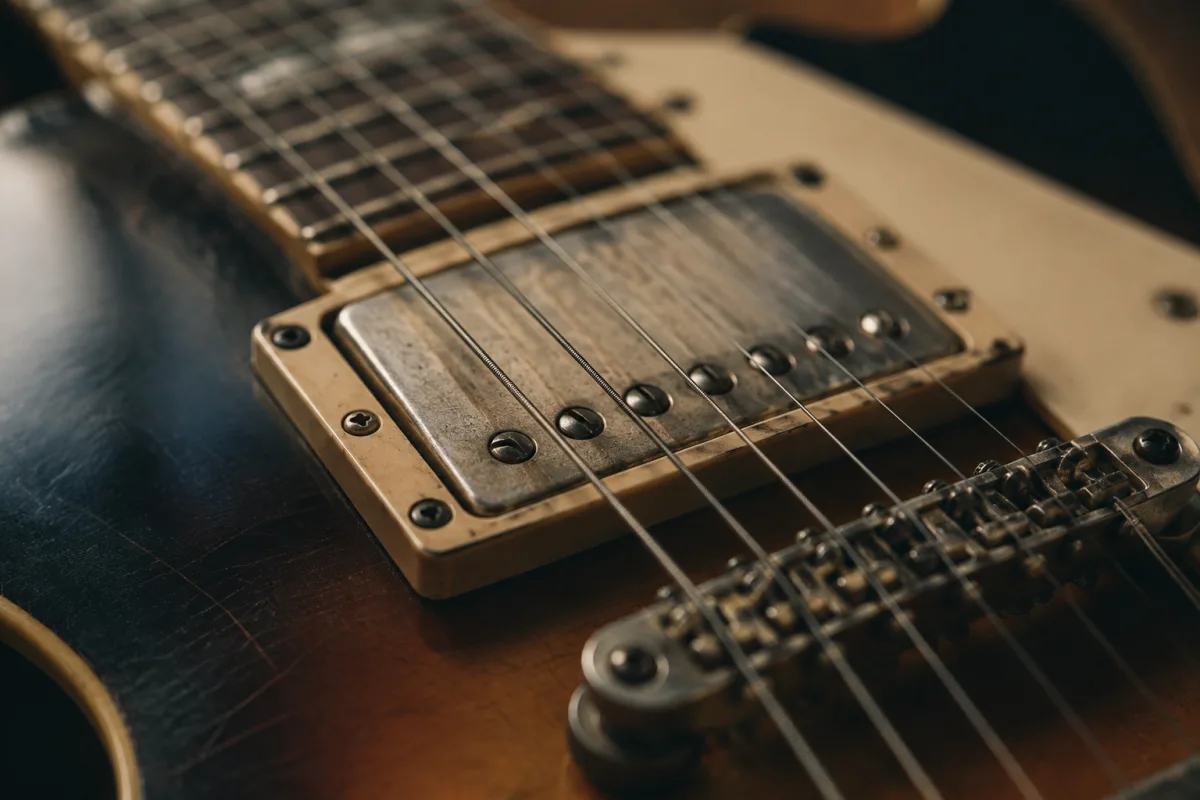
Guitar pickups profoundly influence your instrument's sound, yet many beginners overlook them when selecting instruments, focusing instead on visual appeal or brand reputation. P90 pickup guitars represent a distinctive sonic character with devoted followers, despite being less common than contemporary alternatives like humbuckers or single-coil pickups. This beginner's guide demystifies P90 pickups, explaining what makes them unique, how their tone differs from alternatives, and whether a P90 pickup guitar suits your musical goals. You'll discover that understanding pickup technology actually helps you select instruments producing the exact sound you want, rather than discovering limitations after purchase.
What Are P90 Pickups and Where Did They Come From?
P90 pickups represent a vintage design predating humbuckers and modern single-coil refinements. Invented by Gibson in the 1940s, P90s deliver a distinctive tone characterised by warmth, midrange emphasis, and a unique "bark" that appeals to blues, rock, and alternative players. Unlike humbuckers (which use two coils to cancel noise), P90s employ a single large coil design, making them noisier but toneally livelier. This vintage design experienced something of a renaissance as players rediscovered their charms, leading contemporary manufacturers like Epiphone, Fender, and others to include P90 options in their modern guitars. Understanding this history contextualises why P90 guitars sound distinctively different from contemporary designs.
The Distinctive Sound of P90 Pickups
P90 pickups produce a unique tonal character that's difficult to describe but immediately recognisable to experienced ears. They emphasise midrange frequencies more than other pickup types, creating warmth and presence that cuts through mix nicely. Clean tones through P90s sound crisp, slightly compressed, and musical rather than sterile. Overdriven and distorted tones through P90s exhibit character and personality, less "smooth" than humbucker-driven sounds but considerably more distinctive. Many players describe P90 tone as "soulful" or "alive," reflecting their responsiveness to playing dynamics and finger pressure. Conversely, P90s produce more hum and noise than humbuckers, a trade-off for their tonal liveliness. Understanding this balance—distinctive tone at the cost of increased noise—helps you decide whether P90 pickups genuinely suit your preferences.
P90s Versus Humbuckers: Understanding the Difference
Humbuckers (two-coil pickups) were actually invented to eliminate the hum that P90s produce. Humbuckers sound thicker, darker, and more compressed than P90s. Jazz, metal, and modern rock players often prefer humbuckers' dark, smooth character. Blues, classic rock, and alternative players frequently prefer P90s' lively, responsive character. Neither is objectively superior—they're simply different tools producing different sonic results. For beginners, understanding this distinction matters because selecting a guitar with your preferred pickup type ensures you'll love how it sounds rather than discovering limitations later. If you're drawn to vintage blues or classic rock sounds, P90 guitars might suit you better than humbucker alternatives.
P90s Versus Single-Coil Pickups: A Surprising Comparison
Single-coil pickups (like Fender Stratocaster and Telecaster pickups) also produce significant hum, yet deliver tonal characteristics distinctly different from P90s. Single-coils emphasise brightness and bell-like tone, particularly in higher frequencies. P90s, despite also being single-coil designs technically, prioritise midrange and warmth over high-frequency brightness. Fender Jazzmaster and Jaguar guitars, despite using single-coil pickups, produce tones somewhat similar to P90 guitars due to design differences beyond pickup type. For beginners, recognising these distinctions prevents mistakenly assuming "single-coil" automatically means "sounds like a Stratocaster"—pickup design involves numerous factors creating vastly different results.
Recognising P90 Pickup Guitars by Sight
P90 pickups are visually recognisable by their distinctive rectangular appearance, larger than single-coil pickups but different in shape than humbuckers' pair of rectangular coils. If you're shopping for used guitars or want to identify pickups in instruments you're considering, learning to recognise P90s visually helps immensely. Gibson P90 guitars, Epiphone Casino and Sheraton models, and certain vintage Fender offsets frequently feature P90s. Many contemporary guitar manufacturers—from budget brands to premium makers—offer P90 variants of their standard models. Once you're familiar with the P90 appearance, identifying them becomes straightforward, helping you seek out specifically P90-equipped instruments during your shopping process.
Starting With P90 Guitars: Beginner Considerations
If you're drawn to P90 tone and considering a P90 guitar as your first or next instrument, several practical considerations matter. First, accept the increased hum; if electromagnetic interference bothers you significantly, P90s might frustrate you. However, hum is minimally noticeable through amp channels with gain applied, and in band contexts is largely inaudible. Second, understand that P90 tone suits certain genres and playing styles better than others. If you play heavy metal, jazz fusion, or styles requiring smooth, dark tone, alternative pickups might suit you better. Third, remember that pickup quality varies—cheap P90s can sound thin or unpleasant, whilst quality examples sound excellent. Purchasing guitars from reputable manufacturers ensures quality components. Finally, remember that pickup swaps are relatively affordable options if you eventually want to experiment with alternatives.
Common Beginner Misconceptions About P90s
Several myths surround P90 pickups that confuse new players. First, P90s aren't exclusively "vintage"—contemporary guitars with P90s produce modern, relevant sounds perfectly suited to contemporary music. Second, P90 doesn't mean "low-power"—many P90s deliver impressive output, sometimes exceeding humbucker alternatives. Third, vintage doesn't mean better; newer P90s from quality manufacturers often outperform vintage examples, with better consistency and improved construction techniques. Fourth, you needn't "earn the right" to use P90s; if their tone appeals to you, they're an appropriate choice regardless of experience level. Finally, P90 doesn't limit you stylistically; whilst they excel in certain genres, they're genuinely versatile tools.
Affordability and Accessibility of P90 Guitars
Entry-level P90 guitars from Epiphone, Fender, and other budget-conscious manufacturers typically cost £200–£500, comparable to alternative pickup configurations. This means choosing P90s needn't cost more than selecting guitars with different pickup types. Used P90 guitars often represent exceptional value, as many players acquire P90 instruments, experiment briefly, then move on, flooding second-hand markets with affordable options. Budget P90 guitars from reputable manufacturers often sound excellent, teaching you authentic P90 tone without premium pricing. This accessibility means beginners can genuinely try P90 guitars without substantial financial risk.
Learning P90 Tone Through Others' Music
Before committing to a P90 guitar, listen carefully to iconic P90 recordings. Early Fender Jaguars and Jazzmasters (though technically not P90s, they produce similar tone), classic Gibson guitars with P90s, and contemporary artists using P90s provide sonic reference points. Understanding what you actually like about P90 tone prevents purchasing based on romantic notions rather than genuine sonic preference. Most music streaming services let you explore these recordings affordably, helping you develop informed preferences before purchasing. Visit our complete guide to p90 pickup guitars for detailed information about specific guitar models and tonal characteristics.
Making Your P90 Guitar Decision
Choosing a P90 pickup guitar involves understanding their distinctive tonal characteristics, accepting the increased hum as a reasonable trade-off for lively tone, and recognising whether their sound genuinely suits your musical goals. If you're drawn to warm, midrange-focused, responsive tone, P90 guitars might be perfect for you. If you prefer dark, compressed, thick tone, alternatives might suit better. Budget considerations are minimal—P90 options exist at every price point, preventing financial barriers to experimentation. Your best approach is listening carefully to P90 tones, auditioning guitars when possible, and trusting your ears rather than brand reputation or style convention. P90 guitars produce beautiful, distinctive sounds that countless professional and amateur musicians love.


Comments