


Cleaning Frets on Guitar Buying guide
Cleaning Frets On Guitar: A Complete Buyer's Guide
Finding the right fret cleaner doesn't have to be complicated. This buying guide helps you choose exactly what you need, from budget-friendly options to premium products, with practical advice on specs, safety, and value.
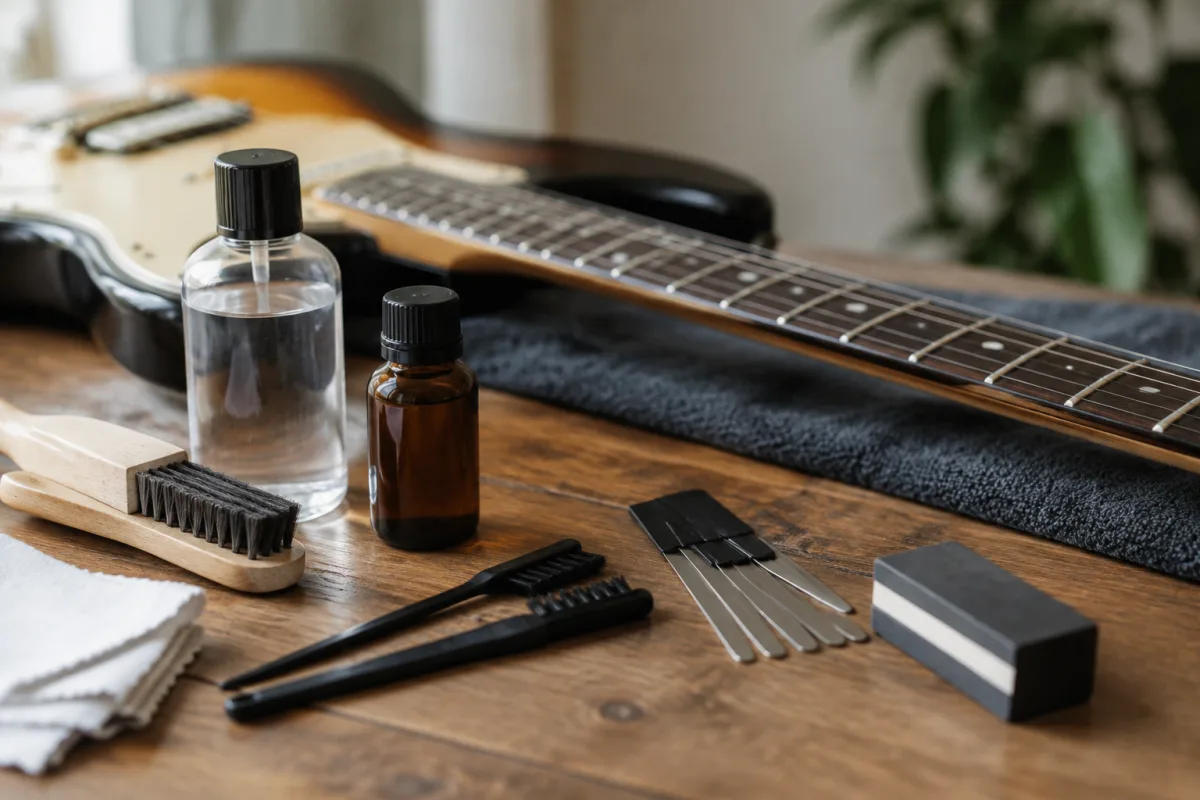
Finding the right fret cleaner can feel daunting when you're faced with shelves full of specialty products, each claiming to be the best. But buying fret cleaning products doesn't have to be complicated. This guide cuts through the noise and helps you choose exactly what you need for your specific situation—whether you're a budget-conscious beginner or someone willing to invest in premium products. You'll learn what actually matters when picking between different brands and formulations, which features justify the price, and which products genuinely outperform cheaper alternatives.
Understanding Fret Cleaner Types and Formulations
When you start shopping for fret cleaners, you'll encounter several distinct categories, each designed for different situations. Dedicated fret cleaners typically fall into two main types: solvent-based cleaners and water-based solutions. Solvent-based options, like those used by professional luthiers, cut through stubborn grime and oxidation quickly but require careful handling in well-ventilated spaces. Water-based cleaners offer a gentler approach with less fume concerns, though they may require more elbow grease on heavily oxidised frets.
Some products position themselves as "all-in-one" solutions—marketed for both frets and fingerboards. Be cautious with these. Whilst they're convenient, they often compromise effectiveness on frets themselves because they must be gentle enough for rosewood or ebony boards. If your priority is sparkling frets, a dedicated fret cleaner almost always outperforms a compromise product.
You'll also see hybrid products: speciality waxes, oils, and protective coatings that follow initial cleaning. These add another layer to your purchase decision. They're worth considering if you live in a humid climate or leave your guitar without a humidifier, but they're not essential for basic cleaning.
Key Specs to Evaluate Before Buying
Three specifications matter most when comparing fret cleaners: evaporation rate, residue profile, and compatibility with your fret material. Evaporation rate affects drying time and how long the product stays workable on your frets. Slower evaporation gives you more time to clean but can leave your guitar sitting vulnerable. Faster evaporation means quicker turnaround but demands efficiency during application.
Residue profile is critical. Poor cleaners leave a waxy or oily film that either attracts dust or requires secondary polishing. The best products evaporate cleanly without residue, saving you an extra step. Read reviews specifically mentioning residue before committing to an unfamiliar brand.
Fret material compatibility matters more than manufacturers often admit. Nickel-silver frets, the traditional standard, tolerate most commercial cleaners well. Stainless steel frets, increasingly common on modern guitars, are exceptionally durable but require slightly different care—aggressive solvents can dull their finish. If you have vintage frets or exotic metals, check product compatibility before buying. Some cleaners recommend avoiding certain fret types, and ignoring that advice can lead to permanent damage.
What to Check on the Label and in Reviews
Before adding anything to your basket, examine four specific details. First, check whether the product requires masking or protective measures for your fingerboard. Some cleaners demand tape or protective barriers; others don't. This affects your actual time investment and whether you need to buy masking supplies separately. Second, confirm the product works with your current brush situation or whether you're locked into buying their specific applicator. Third, look for explicit safety warnings—particularly around ventilation and skin contact. If a product demands a respirator or gloves, that's a legitimate cost factor many people overlook. Fourth, verify the quantity in each bottle. A small 100ml bottle of premium cleaner might be excellent value compared to a large bottle of inferior product.
Read reviews from verifiable purchasers, particularly those mentioning stubborn rust or heavily oxidised frets. Anyone can say a product is "amazing," but reviews describing specific problems solved tend to be more reliable. Pay particular attention to comments about residue, smell, and whether the product performs on frets as aggressively as on fingerboards.
Budget Tiers and What You Actually Get
Budget cleaners (typically under £8) usually employ basic solvents effective on light to moderate grime. They work fine for regular maintenance but often leave minor residue or require vigorous scrubbing on neglected frets. Expect to occasionally need a secondary polishing step. These products suit players who clean frets monthly and never let buildup accumulate.
Mid-range products (£8–£18) represent the sweet spot for most players. They balance effectiveness with ease of use, clean quickly without aggressive residue, and last multiple uses per bottle. Most professional guitarists and tech shops stock mid-range options because they reliably solve 90% of real-world fret grime.
Premium and specialist products (£18–£40+) often target specific use cases: vintage guitar restoration, professional setups, or extremely aggressive oxidation. The premium price sometimes reflects superior formulation, but often it reflects the manufacturer's reputation and packaging rather than measurably better results on standard frets. Premium products make sense if you're regularly restoring neglected vintage guitars or running a repair business. For casual home maintenance, they're rarely necessary.
Common Pitfalls When Buying
The most frequent mistake is buying based on brand hype without checking ingredient compatibility with your guitar's construction. Some products marketed to "serious musicians" are genuinely excellent; others are expensive because they're packaged as professional-grade. Marketing isn't quality.
Another pitfall is underestimating the supporting supplies you'll need. A fret cleaner bottle alone isn't enough if you also need masking tape, microfibre cloths, brushes, and protective oil for exposed wood. Factor these costs into your decision, and consider whether buying a complete kit saves money versus assembling supplies from separate sources.
Many buyers also fail to consider whether a product requires speciality tools for application. Some cleaners work fine with any soft brush; others demand their specific applicator pad. Read the instructions carefully before committing. Finally, don't assume that buying the largest bottle available is economical. Some specialty cleaners degrade over time once opened, so a large bottle might oxidise before you finish it.
Making Your Decision: Questions to Answer
Before purchasing, ask yourself these five questions. One: how often do I clean my frets, and how dirty do they typically get? Light maintenance cleaners differ from heavy-duty restoration products. Two: what fret material does my guitar have, and does the product explicitly support it? Three: do I already have brushes and masking supplies, or am I starting from scratch? Four: how important is speed and convenience versus cost? A premium product might save you 15 minutes per cleaning session. Five: do I have adequate ventilation and safety equipment, or does the product demand additional purchases?
For a comprehensive overview of fret maintenance, see our complete guide to cleaning frets on guitar, which covers technique and preventative care.
Final Thoughts on Value
The best fret cleaner is the one you'll actually use consistently. Expensive products gathering dust aren't valuable; affordable solutions you apply regularly are. Most mid-range products from established manufacturers (Dunlop, GHS, Ernie Ball) perform admirably and cost under £15. Start there unless you have specific requirements like vintage guitar restoration or stainless steel frets.
Read ingredient lists and user reviews, verify fret material compatibility, and don't assume premium pricing reflects proportionally better results. Compare not just the product itself but the total cost including supporting supplies and your time. With those factors in mind, you'll choose a fret cleaner that genuinely serves your playing habits and budget.





Comments