


Bridge Pickup Guitar article
Bridge Pickup Guitar for Beginners: A Complete Guide
New to guitar? Understand your bridge pickup guitar, why position matters, and how to get the most from your instrument's tone.
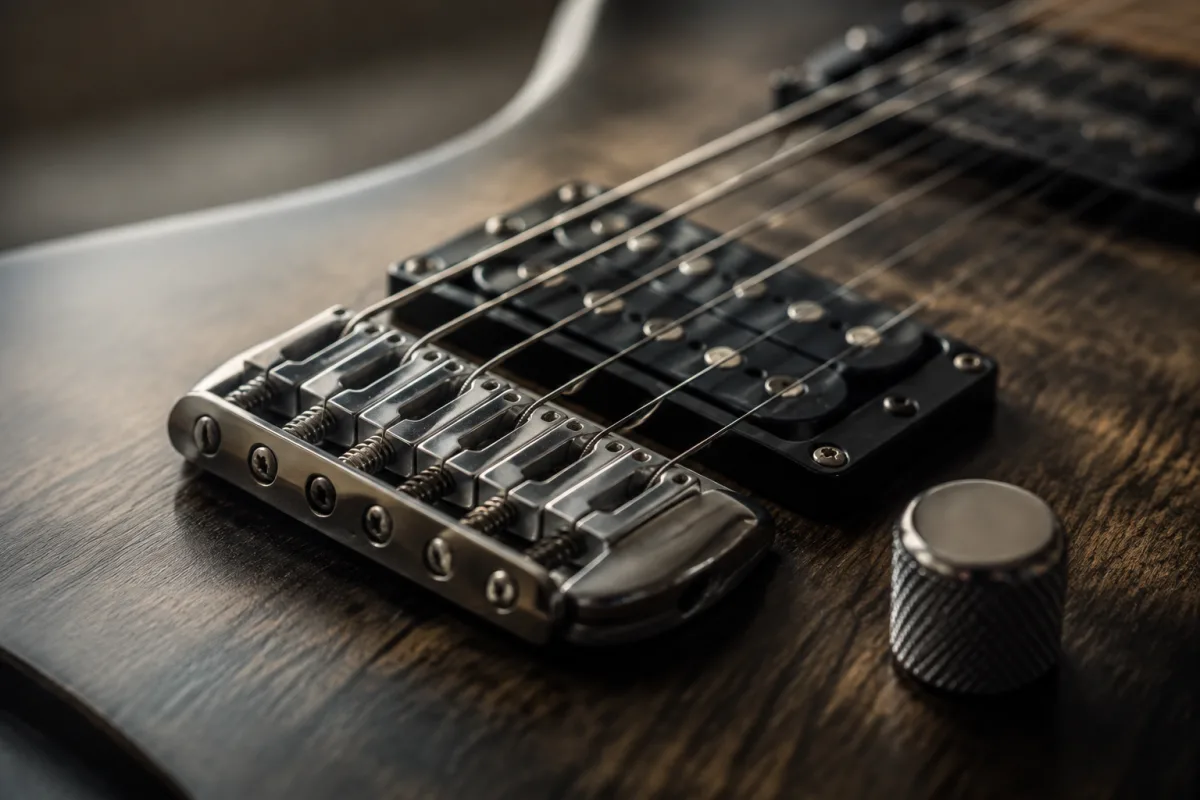
When you're learning guitar, understanding your instrument's pickups can feel overwhelming. The bridge pickup guitar topic seems technical and intimidating at first, but it doesn't have to be. If you're holding a guitar and wondering what that magnetic component near the bridge actually does, you're in the right place. This guide walks you through everything a beginner needs to know about bridge pickup guitar configurations, without the jargon overload.
What Does Your Bridge Pickup Actually Do?
The bridge pickup guitar element is fundamentally simple: it captures string vibrations and turns them into electrical signals that your amp converts to sound. The bridge pickup guitar sits closest to the bridge of your instrument, which means it picks up more treble and brightness than pickups positioned elsewhere. Think of it like a microphone—it's listening to your strings, but it's positioned to hear a particular character of tone.
For beginners, here's the practical reality: your bridge pickup guitar selection directly influences how bright or warm your sound can be. Most electric guitars have at least two pickups (neck and bridge), and understanding which one you're using helps you make intentional choices about your tone, rather than stumbling through settings randomly.
Why Bridge Position Matters for Beginners
Proximity matters enormously. A bridge pickup guitar positioned right above the bridge produces a snappier, more defined tone with extra treble. This brightness is what makes rock and metal tones cut through a mix. Conversely, a bridge pickup guitar on the neck side would sound warmer and fuller. By switching between them, you're not just getting louder or softer—you're fundamentally changing your sound character.
When you're starting out, experimenting with your bridge pickup guitar by switching between it and your neck pickup teaches you invaluable lessons about tone. You learn how pickup position shapes your sound before you ever change equipment or settings.
Common Bridge Pickup Guitar Types for Beginners
You don't need to memorise technical specifications to understand what your guitar has. Here's what you'll typically encounter on a beginner-friendly guitar:
| Pickup Type | Brightness Level | Best For | Sound Character |
|---|---|---|---|
| Single Coil (Bridge) | Very Bright | Blues, Rock, Funk | Twangy, articulate, thin |
| Humbucker (Bridge) | Warm-Bright | Rock, Metal, Jazz | Thick, smooth, powerful |
| P-90 (Bridge) | Mid-Bright | Rock, Alternative | Punchy, detailed, modern |
Your guitar likely has one of these. The bridge pickup guitar type you have shapes your sonic possibilities more than amp settings do when you're learning. Don't stress about picking the "perfect" one—focus on understanding what yours does first.
Getting the Most From Your Bridge Pickup Guitar
Here are five practical habits that will transform how you use your bridge pickup guitar:
- Use it for rhythm work. When playing rhythm parts, most players favour the bridge pickup guitar because its brightness cuts through the mix. Try recording yourself playing the same rhythm passage with your neck pickup, then your bridge pickup guitar. You'll hear why this matters.
- Adjust your amp presence knob. If your bridge pickup guitar sounds too shrill, dial back the presence on your amp before assuming the pickup is "wrong." Many beginners don't realise how much the amp contributes to the sound.
- Play softer with high gain. When using distortion or overdrive, a bridge pickup guitar produces a much more aggressive tone. Play lighter and with better articulation to maintain control.
- Switch mid-song in practice. During practice, deliberately switch between bridge and neck pickups while playing the same passage. This trains your ear to recognise their tonal differences and helps you choose intentionally.
- Clean your bridge pickup guitar area. Dust accumulates around pickups. A soft brush keeps them functioning properly and sounding their best. This isn't technical maintenance—just basic care.
Mistakes Beginners Make With Bridge Pickup Guitar
Learning from others' missteps accelerates your progress. Here's what to avoid:
Assuming it's broken if it sounds bright. The bridge pickup guitar is supposed to sound brighter than the neck pickup. If you've switched to it and everything suddenly sounds like treble, that's normal, not a malfunction.
Ignoring the pickup selector switch. Many beginners assume their guitar has only one sound and don't discover the bridge pickup guitar until weeks in. Your toggle switch or selector is your friend—use it.
Expecting the pickup to fix your tone. Beginners sometimes think a new bridge pickup guitar will solve their tone problems. Usually, amp settings, playing technique, and string quality matter far more. Learn your current setup first.
Not considering what music you want to play. A bridge pickup guitar on a jazz guitar might feel too sharp, whilst one on a rock guitar might feel just right. Your style should influence your pickup appreciation, not the other way around.
Moving Beyond the Basics
Once you've spent time with your bridge pickup guitar and understand how it behaves, you're ready to explore deeper. Many players upgrade pickups, experiment with switching between single coils and humbuckers, or adjust the bridge pickup guitar height to fine-tune brightness. But none of that matters until you've truly listened to what you already have.
For a comprehensive overview of bridge pickup guitar technology, design, and all the technical details, check out the complete guide to bridge pickup guitar. That resource dives deep into the science and history, whereas this guide is purely about getting comfortable with what you've got right now.
Your Next Steps
Start here: plug in your guitar, switch to the bridge pickup guitar position, and play for ten minutes. Notice how it feels, how it sounds, how it responds to different playing dynamics. Then switch to your neck pickup and feel the difference. That simple exercise teaches you more than any explanation can.
The bridge pickup guitar is your tool for bright, cutting tones that sit forward in a mix. As you grow as a player, you'll develop preferences and make informed decisions about upgrades or changes. For now, appreciate what's on your instrument, understand its character, and let it guide your learning journey.


Comments