


Left Handed Gibson Buying guide
Left Handed Gibson: A Complete Buyer's Guide
Complete buyer's guide for left-handed Gibson instruments: market availability, pricing, model options and value assessment.
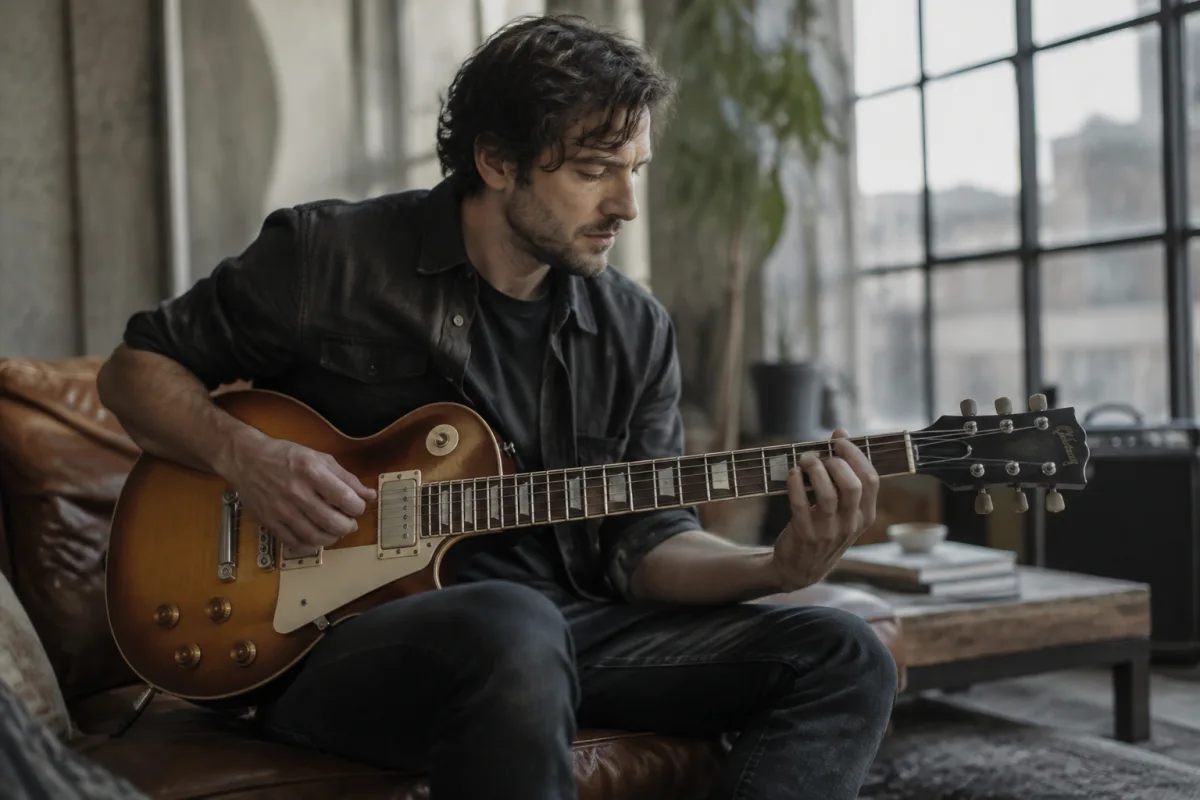
Buying a left-handed Gibson is a commitment—these are premium instruments, and the left-handed market is smaller, so you'll have fewer options and potentially higher prices. But Gibson left-handed guitars are absolutely worth seeking out. This guide covers what to expect, which models are actually available, and how to get the best value when purchasing left-handed Gibson instruments.
The Left-Handed Gibson Market: Availability and Pricing
Left-handed Gibson guitars are rare compared to right-handed models. Gibson produces left-handed versions of their core range, but stock is limited. This means you may wait weeks or months for a specific left-handed Gibson model, or you'll pay a premium to buy used.
Pricing on left-handed Gibson guitars typically runs 5–15% higher than right-handed equivalents, simply because demand exceeds supply. A left-handed Gibson Les Paul Standard that costs £2500 in right-handed configuration might run £2700–£2800 for the lefty version. This premium exists across most brands, not just Gibson.
Used left-handed Gibson instruments are surprisingly common in the second-hand market. Left-handed players who abandon the hobby or upgrade often sell their Gibson gear. Patience and checking used listings pays off significantly.
Core Left-Handed Gibson Models and What to Expect
Les Paul (various versions): The flagship Gibson. Left-handed Les Paul guitars start at around £1500–£1800 for entry-level Studio models, £2200–£2800 for Standard versions. All core Les Paul configurations are available lefty. The left-handed Gibson Les Paul is genuinely excellent.
SG: Gibson's sharp-bodied alternative. Left-handed SG guitars cost slightly less than Les Paul—expect £1200–£2200. The left-handed Gibson SG is lighter, faster-playing and beloved by metal players.
335 (semi-hollow): The jazziest Gibson. Left-handed Gibson 335s run £1500–£2500. These are professional-grade instruments, and the left-handed Gibson version is fully spec'd.
Firebird and Flying V: Unconventional shapes. Left-handed Gibson Firebird and Flying V guitars are available but rarer than Les Paul or SG. Budget slightly more for these left-handed Gibson models due to supply constraints.
Acoustic: Left-handed Gibson acoustic guitars exist but are harder to find. Most dealer stock is right-handed. Expect to order or search used listings for left-handed Gibson acoustics.
New vs Used Left-Handed Gibson Guitars
A new left-handed Gibson guitar comes with full warranty (usually 2–3 years) and guaranteed condition. Dealer stock is often limited, so buying new sometimes means waiting or special order.
Used left-handed Gibson guitars offer significant savings—typically 40–60% of new price for well-maintained examples. The left-handed Gibson used market is active enough that good deals appear regularly. Risks are lower with Gibson because QC is high and resale value is stable.
For best value: check used listings first. If you find a left-handed Gibson that fits your budget and condition preferences, buy it. If not, order new from a dealer (though be prepared to wait 4–12 weeks for stock).
Checking a Left-Handed Gibson Before Buying
Whether you're buying new or used, inspecting a left-handed Gibson properly takes 10 minutes and prevents regret.
Neck straightness: Sight down the neck from headstock to body. A straight left-handed Gibson neck feels responsive and plays cleanly. Bowed or twisted necks need professional straightening (£80–£200).
Fret wear: Run your finger along the frets. Uneven fret heights suggest a left-handed Gibson that's been heavily played without maintenance. Fret levelling costs £150–£300.
Action (string height): A good left-handed Gibson has low, playable action without buzz. If a used left-handed Gibson has high action, it might just need a bridge adjustment (cheap) or a full setup (£60–£150).
Hardware finish: Gibson uses various hardware finishes. Check that tuners, bridge and pickup covers are not heavily corroded or pitted. Some wear is expected; extensive rust is a red flag.
Electronics: Plug the left-handed Gibson in and check that all pickups work, volume and tone controls are smooth, and the toggle switch clicks cleanly. Pot scratching (crackling when adjusting volume) suggests dirty electronics—fixable but annoying.
Pickup condition: Listen for any humming or buzzing when unplugged. A quiet guitar with good shielding is better than one with inherent noise.
Price Points for Different Tiers of Left-Handed Gibson
Entry-level (£1200–£1800): Studio models, younger production runs, smaller-body versions. These play excellently and are fully Gibson quality. Perfect for intermediate players or budget-conscious buyers. A left-handed Gibson Studio is not a compromise.
Mid-range (£1800–£2500): Standard and Classic models, decent vintage appointments. The sweet spot for most players. A left-handed Gibson in this range is versatile and holds value.
Premium (£2500–£3500): Custom Shop models, high-end finishes, vintage-spec electronics. For collectors and professionals. A left-handed Gibson Custom Shop is an heirloom instrument.
Vintage Gibson (£3000–£20000+): Pre-1980s left-handed Gibson guitars. Collectible, rare, expensive. For specialists only.
Common Mistakes When Buying Left-Handed Gibson Guitars
Assuming all left-handed Gibson guitars are equally available. They're not. Common models (Les Paul, SG) are easier to find. Rare models (Flying V, Firebird) require searching or special order.
Paying full premium without comparison shopping. Don't just accept 15% markup on left-handed Gibson guitars. Compare dealer pricing across multiple shops. Sometimes deals surface.
Buying a left-handed Gibson without playing it first if possible. Gibson guitars vary in feel and playability between individual units. A player could always recommend trying the specific instrument before committing.
Overlooking used left-handed Gibson guitars because you assume they're damaged. Most used instruments are just outdated stock or an upgrade from a satisfied player. Inspect carefully and you'll often find great value.
Confusing left-handed Gibson with restrung right-handed Gibson. Some unscrupulous sellers restring right-handed Gibson guitars and sell them as lefty. The nut slot profile and bridge position will be wrong, and setup will be poor. Avoid these.
Accessories and Setup Costs
Budget for additional spending when you buy a left-handed Gibson:
- Setup: £60–£150 for professional fret levelling, action adjustment and electronics check.
- Strings: £10–£20 per set. Plan on purchasing extras.
- Strap: £15–£40 for quality leather strap.
- Case: £100–£300 for a proper hard case (often not included with new left-handed Gibson guitars).
- Cables and adapters: £20–£50.
Resale Value of Left-Handed Gibson Guitars
Left-handed Gibson guitars hold value excellently. A Standard model bought for £2500 will resell for £1600–£1900 after 5 years, depending on condition. This retention rate is higher than most instruments, making left-handed Gibson guitars a relatively safe purchase even at full price.
Frequently Asked Questions
Should I buy a left-handed Gibson or restring a right-handed one? Always buy left-handed. A restrung right-handed Gibson is never set up correctly—nut geometry, bridge and strap button positions are wrong. Play a proper left-handed Gibson.
Are left-handed Gibson guitars cheaper if I wait? Rarely. Gibson doesn't discount left-handed models. Price negotiation is possible with dealers, but waiting won't lower the price.
What's a fair price for a used left-handed Gibson Les Paul? Standard model: £1600–£2200. Custom Shop: £2400–£3600. Anything significantly above or below this range suggests either premium condition or hidden issues.
Can I return a left-handed Gibson if it doesn't feel right? Most retailers offer 30-day return windows. Check before buying. Playing a instrument for a week can reveal incompatibilities that weren't obvious on first playthrough.
Is there a resale market for left-handed Gibson guitars? Yes, it's active. Selling takes slightly longer than a right-handed equivalent, but prices are fair. The left-handed Gibson used market is healthy.
Do professional musicians play left-handed Gibson guitars? Absolutely. Many famous players use left-handed Gibson instruments. Quality and versatility are identical to right-handed models.


Comments