


Yamaha Trombones article
Yamaha Trombones for Beginners: A Complete Guide
Picking up a Yamaha trombone as a first instrument can be daunting, but with the right knowledge, you'll set yourself up for musical success. This beginner's guide walks you through the essentials.
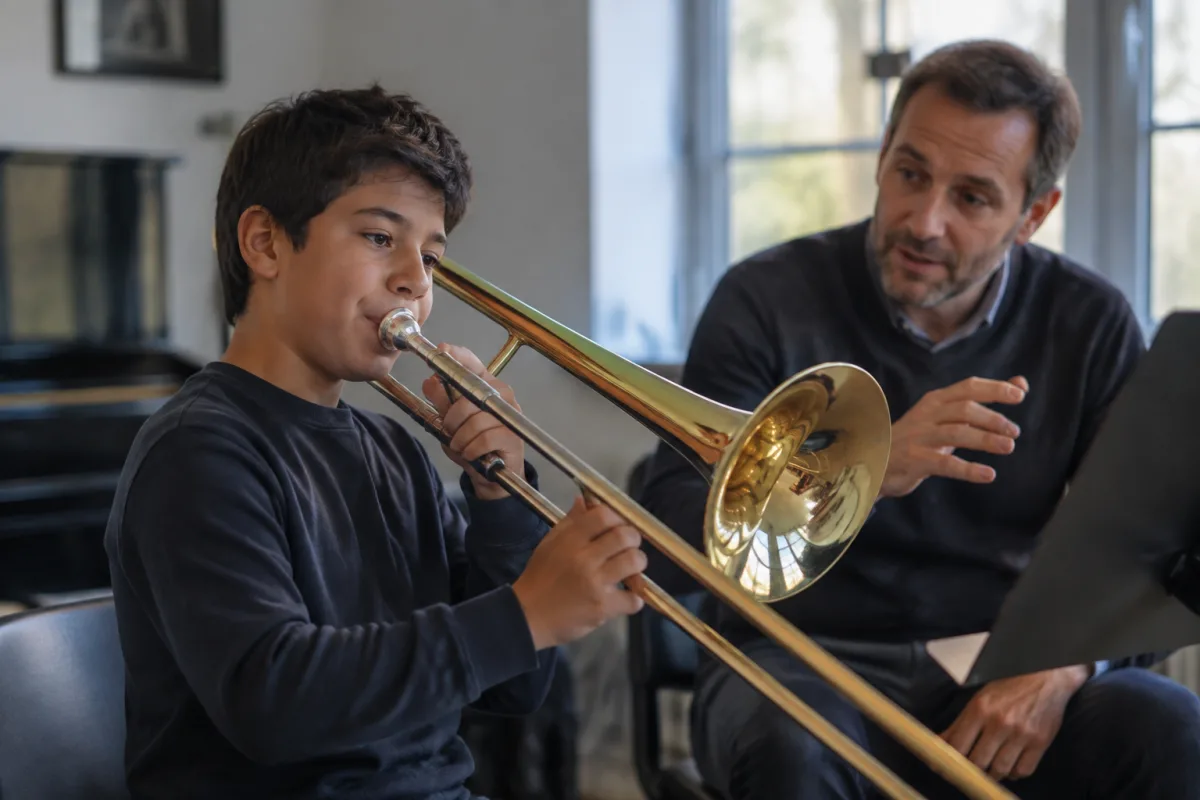
Starting the trombone is an exciting adventure, and choosing the right instrument is your first major decision. If you're drawn to the warm, mellow sound of brass music, Yamaha trombones offer a brilliant entry point into the world of this beautiful instrument. Whether you're a school student embarking on a musical journey, an adult learner picking up an instrument for the first time, or a parent helping your child get started, this guide will help you navigate the trombone landscape with confidence and enthusiasm. We'll focus on what matters most when you're beginning: understanding the basics, knowing what to expect, and making a choice that sets you up for success rather than frustration.
Why Yamaha? A Trusted Name for First-Time Players
Yamaha trombones are renowned for their reliability and consistent quality. For someone picking up a trombone for the first time, this is genuinely important. You want an instrument that responds predictably to your efforts, that stays in tune, and that won't develop strange mechanical problems just as you're hitting your stride. Yamaha has been manufacturing wind instruments for decades and has earned a reputation for building instruments that sound good, feel good, and last. Many school music programmes choose Yamaha specifically because beginner players deserve equipment that doesn't sabotage their learning experience.
Understanding Trombone Types: What's the Difference?
Before you settle on any Yamaha trombone, you need to understand that trombones aren't all the same. The main distinction for beginners is between tenor and bass trombones, and there are some smaller variations too. Let's demystify this:
Tenor trombones are the most common choice for beginners. They're the "standard" size, with a bright, punchy tone and a range that suits most musical settings. If you're joining a school band, learning at a local music school, or just experimenting to see if you love the trombone, a tenor Yamaha trombone is almost certainly what you want. They're lighter to hold, easier to control, and more affordable than their larger cousins.
Bass trombones are larger and deeper-voiced, producing a rich, resonant low sound. They're typically for advanced players or for those who've already mastered a tenor and want to expand their capabilities. For your first trombone, skip the bass and go with tenor.
There's also the question of slide range. Most beginner trombones have a standard slide that covers what's called the "open wrap" design. This is the most straightforward option and the easiest to learn on. Some advanced models have additional tuning triggers or valves, but you don't need those complications starting out.
The Cost Reality: What You'll Actually Spend
Let's be direct about money. A decent beginner Yamaha trombone typically costs between £400 and £800. This might sound like a lot, but it's actually reasonable for an instrument that will last years and serve you well. At the lower end of that range, you're getting a solid, no-nonsense student model. Moving toward the higher end, you're looking at better materials, superior valve construction, and a tone that'll inspire you to practise more. Many beginners are surprised to learn that you can rent a Yamaha trombone for £20–£40 per month if you're unsure about committing to the instrument long-term. This is an excellent option if you're testing your dedication or your budget is tight.
Why Beginners Often Struggle: Common First-Trombone Mistakes
Knowing these pitfalls can help you avoid them:
- Buying a cheap off-brand trombone: I get it—a £100 trombone online looks appealing. But off-brand instruments often stay out of tune, respond sluggishly to your playing, and can actually make it harder to learn proper embouchure and technique. You'll end up frustrated and potentially give up on the instrument. A Yamaha trombone costs more upfront but saves you heartache later.
- Assuming all Yamaha trombones are the same: They're not. Student models differ from intermediate models in materials, valve action, and overall response. Know what you're buying; don't just grab the cheapest option.
- Neglecting the mouthpiece: Your Yamaha trombone will come with a mouthpiece, and it's usually adequate. But many beginners later discover that a slightly different mouthpiece size transforms their experience. Don't obsess over this now, but know that your mouthpiece matters and you might want to experiment after a few months.
- Ignoring maintenance: A trombone needs cleaning and care. The slide needs to move freely, the valves need regular maintenance if your model has them, and the whole instrument needs gentle handling. Many beginners damage their trombones through careless storage or neglect. Treat it with respect and it'll reward you.
- Pushing too hard too fast: Your embouchure—the way your lips vibrate against the mouthpiece—takes time to develop. If you practise for three hours on day one, your lips will hurt and you'll feel discouraged. Start with 15–20 minute sessions and build gradually. Your lips adapt slowly, and that's fine.
- Trying to learn without guidance: A trombone responds to very specific technique. It's worth investing in even a few lessons with a real teacher, or at minimum using quality online tutorials from established method books. Developing bad habits early makes everything harder later.
What to Expect in Your First Weeks
Let's be honest: your first week will be loud and somewhat chaotic. You'll produce squeaks, squawks, and honks that don't sound much like music. This is completely normal. Every single trombone player started here. By week two, you should be able to produce clear notes without as much effort. By week four, you should be playing simple melodies. The trombone responds to your developing technique, so patience and consistent (but not excessive) practice matter enormously.
Your Yamaha trombone makes this learning curve smoother because the instrument is responsive and stays in tune. A poor-quality trombone will frustrate you because you'll play "wrong" notes even when you're doing everything right. Yamaha removes that variable, letting you focus on developing your skills.
Choosing Your First Yamaha: Practical Questions to Ask
When you're ready to choose, answer these questions:
- Is this purely experimental or are you committed to learning for at least a year? (More commitment justifies a better model.)
- Will you be playing in a school band? (If yes, ask your teacher which Yamaha model they recommend.)
- Do you have space to store your trombone safely, and will you have time to practise regularly? (Enthusiasm matters more than having the perfect instrument.)
- Can you afford to rent rather than buy? (Rental removes financial risk while you're learning.)
- Does your local music shop have Yamaha trombones you can try in person? (Hands-on testing is invaluable for beginners.)
Your Path Forward
Yamaha trombones are thoughtfully designed for players at every level, but beginners especially benefit from their reliability and consistent response. You're not settling for a "training wheels" instrument; you're choosing professional-grade equipment that happens to be accessible to learners. Start with a tenor model, commit to regular practice even if it's only 20 minutes a day, and expect to have fun alongside those early squeaks. Within a few months, you'll be genuinely playing music, and you'll be grateful you chose an instrument worth playing.
For a deeper exploration of Yamaha trombone options, specifications, and comparisons across the range, our complete guide to Yamaha trombones provides comprehensive coverage. But for getting started, you now have the foundations you need to make a confident first choice.



Comments