


Yamaha Amps Guitar Buying guide
Yamaha Amps Guitar: A Complete Buyer's Guide
Complete Yamaha guitar amps buyer's guide covering product lines, specifications, power ratings, tone characteristics, pricing, and selection mistakes to avoid.
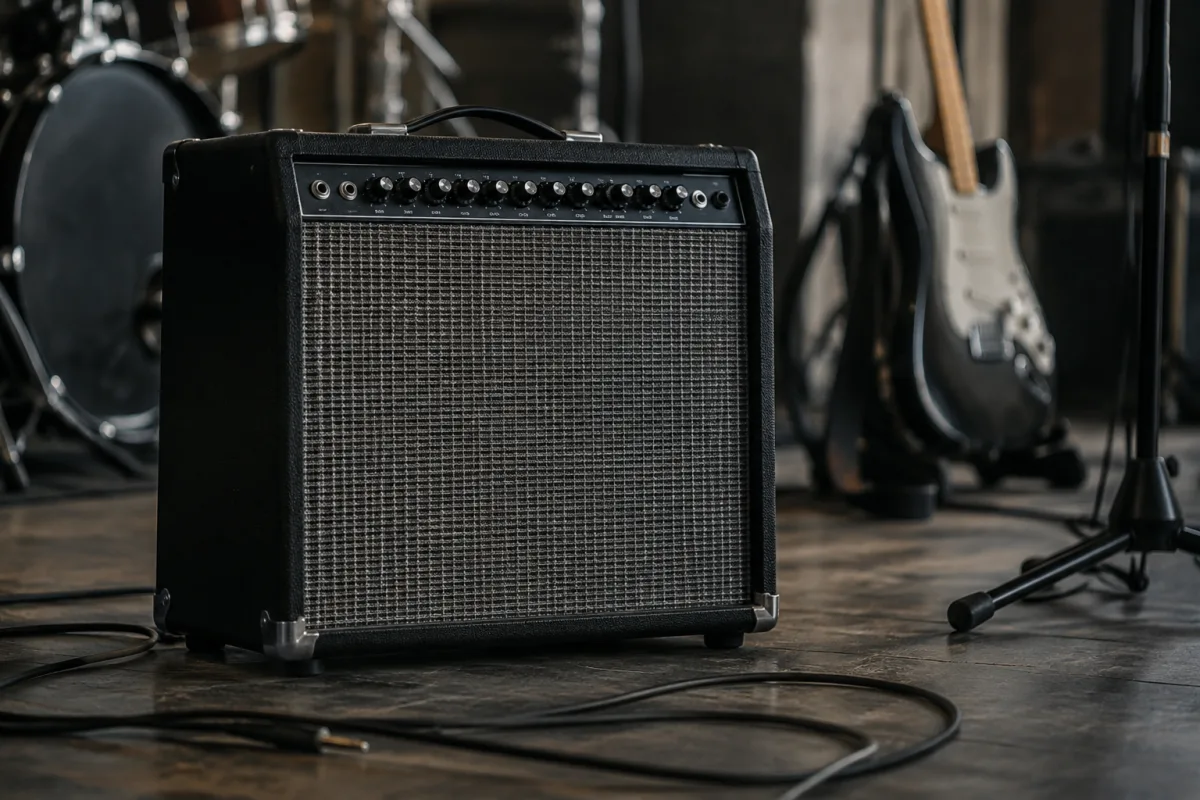
Yamaha guitar amplifiers have earned solid reputations for reliability, value, and consistent quality across their product range. If you're considering purchasing a Yamaha amp, understanding the brand's philosophy, key product lines, and what separates different models ensures you invest wisely in an amplifier matching your specific needs and budget. Yamaha's diverse lineup means there's a model suitable for bedroom players, gigging musicians, and recording studios, but proper selection requires knowledge about power ratings, speaker configurations, and tone characteristics that define each range.
Yamaha's Amplifier Philosophy and Brand Positioning
Yamaha approaches guitar amplifier design with emphasis on reliability, versatility, and value across all price points. The brand doesn't pursue boutique tone mystique—instead, Yamaha offers solid, dependable amplifiers that serve various purposes without requiring equipment archaeology to understand controls or troubleshoot issues. This philosophy appeals to practical musicians prioritising function over legend.
Yamaha has invested heavily in digital modelling technology, creating amplifiers with extensive effects, amp modelling, and expression capabilities. Modern Yamaha amps often include headphone outputs, USB connectivity for recording, and MIDI control options—practical features addressing contemporary musician needs. If you value versatility and technology integration, Yamaha amplifiers deliver more than many competitors at comparable price points.
The brand maintains consistent build quality across price ranges. Yamaha amps rarely fail due to manufacturing defects; when issues arise, they're typically wear items (tubes, speakers) rather than design flaws. This reliability consistency makes Yamaha a dependable choice whether investing £200 or £2000.
Yamaha Guitar Amplifier Product Lines
The Pacifica series includes compact, affordable amplifiers (often £150-£400) designed for practice and learning. These include built-in effects and decent tones suitable for bedroom players. They're not touring instruments but serve learners and casual players excellently, offering good value at modest prices.
The THR series represents portable, laptop-integrated amplifiers designed for bedroom production and silent practice. These plug into computers via USB and include extensive modelling of famous amplifier tones. Musicians producing music at home appreciate the THR series' integration and silent workflow options. Prices range £100-£300, making them accessible investments.
The Catalyst series targets serious players requiring excellent tone and gigging capability without premium pricing. These amplifiers combine digital modelling with traditional tube technology, creating hybrid designs delivering professional tone at reasonable cost. Expect £300-£700 depending on power and features. Many working musicians perform with Catalyst amps.
The DG series and higher-end models pursue professional tone and reliability for touring musicians and recording studios. These typically cost £800-£2000+ and represent serious investments in tone quality and durability for demanding use.
Critical Specifications for Your Purchasing Decision
Wattage determines volume capability and headroom (how much dynamic range before distorting). A 20-watt amp is suitable for bedroom playing and small venues; 40-50 watts suits larger venues and touring; 100+ watts addresses stadium-scale performance or high-volume recording sessions. Most players select 20-50 watts unless specifically needing higher volume. More wattage doesn't automatically mean better tone—appropriate wattage for your intended use matters more.
Speaker configuration affects tone character and projection. A 1x12 configuration (one 12-inch speaker) suits versatile use across genres. A 2x12 configuration adds volume and bass response, preferred by bassists and players needing projection in larger venues. A 1x8 or smaller speaker reduces volume, suiting bedroom and quiet practice. Understanding your speaker needs prevents purchasing unsuitable configurations.
Tone stack design determines EQ capabilities. Yamaha includes various tone-shaping approaches from simple bass-mid-treble stacks to more complex tone circuits. More sophisticated tone stacks offer greater shaping possibilities for players pursuing specific tone characteristics. Basic stacks suit players preferring straightforward operation.
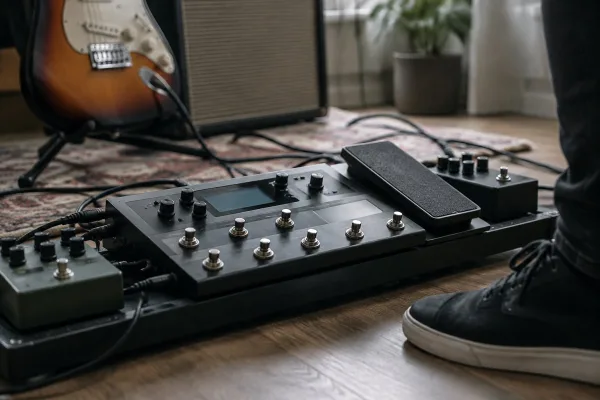
Effects and modelling capabilities vary significantly between models. Budget models include basic reverb and delay. Mid-range models add distortion, compression, and multiple effect combinations. Modelling-focused models provide extensive amp simulations and cabinet emulations. Assess what effects matter for your playing style—unnecessary complexity doesn't improve your tone.
Yamaha Amps Across Different Use Cases
For bedroom and practice playing, compact models (Pacifica, THR series) offer exceptional value and sufficient tone quality. You won't outgrow these for casual learning, and their low prices make upgrading accessible later. Noise management through headphone outputs or low-volume operation suits apartment living.
For gigging musicians, mid-range Catalyst and DG series models provide tone quality and reliability supporting professional performance. These amplifiers withstand road wear whilst maintaining consistent tone across gigs. USB connectivity and recording features enable secondary uses in home studios.
For recording studios and critical listening, higher-end Yamaha amps offer mic'able speaker cabinets, balanced outputs, and tone refinement supporting professional recording. The amp's direct output allows recording at any volume without hearing neighbors' complaints.
Comparing Yamaha to Competitors
Versus Fender and Marshall, Yamaha amps offer similar quality at lower prices, prioritising practical features over brand heritage mystique. Fender and Marshall charge brand premiums; Yamaha competes on value and function. The best choice depends on your budget and tone priorities.
Compared to boutique brands, Yamaha sacrifices hand-wired circuitry and tone legend for reliability and affordability. If boutique tone characteristics matter supremely, boutique brands justify premium pricing. If consistent tone and modern features appeal more, Yamaha represents better value.
Versus Line 6 and digital-focused brands, Yamaha maintains stronger physical tone character. Some players prefer pure digital modelling; others favour Yamaha's hybrid approaches. Test both technologies to determine your preferences.
Common Purchasing Mistakes to Avoid
Don't purchase used Yamaha amps without thorough inspection. Tube aging and speaker degradation significantly affect tone. If tubes haven't been replaced recently, factor replacement costs (£150-£300) into total investment. Ask for demonstration if possible—working condition is essential.
Avoid selecting amplifiers based solely on wattage. A 100-watt amp doesn't sound better than a properly-selected 40-watt amp; it's simply louder. Choose wattage appropriate to your venue and volume needs, not highest available option.
Don't overlook speaker quality. Budget models sometimes include cheap speakers limiting tone quality. Test and listen carefully—speaker quality often matters more than amplifier circuitry for final tone character.
Never purchase without establishing return policies. Quality retailers accept returns within 14-30 days if playability or tone issues arise. Absence of returns protection indicates seller confidence deficit.
Price Tiers and Real-World Value
Budget range (£150-£400) includes Pacifica and THR series, suitable for learners and bedroom players. Quality is consistent; expectations should match budget level—don't expect touring-grade tone at beginner prices.
Mid-range (£400-£900) includes Catalyst and professional-grade models offering excellent tone and features for gigging musicians. Many working professionals perform with mid-range Yamaha amps. Best value exists here—you're purchasing legitimate quality without unnecessary premium spending.
Premium range (£900+) includes high-end DG models and boutique Yamaha collaborations. Professional recording studios and demanding touring musicians justify premium pricing through superior tone and durability.
Making Your Yamaha Amp Decision
Evaluate your intended use (bedroom, gigging, recording), determine appropriate wattage and speaker configuration, and assess what features matter for your playing style. Yamaha's product range includes excellent options at every price point. Test multiple models if possible, comparing tone and handling features. Yamaha's reliability record means purchasing with confidence—maintenance and occasional tube replacement sustain these amplifiers for decades. With proper selection aligned to your specific needs, a Yamaha amplifier provides years of dependable, enjoyable performance.
For detailed technical specifications and model comparisons, explore the complete guide to Yamaha amps guitar, which covers all current models, technical specifications, and recommendations for different playing scenarios.





Comments