


Takamine Guitar G Series Buying guide
Takamine Guitar G Series: A Complete Buyer's Guide
Expert guide to selecting the right Takamine G Series guitar. Learn about model tiers, specifications, sound quality differences and avoid common mistakes.
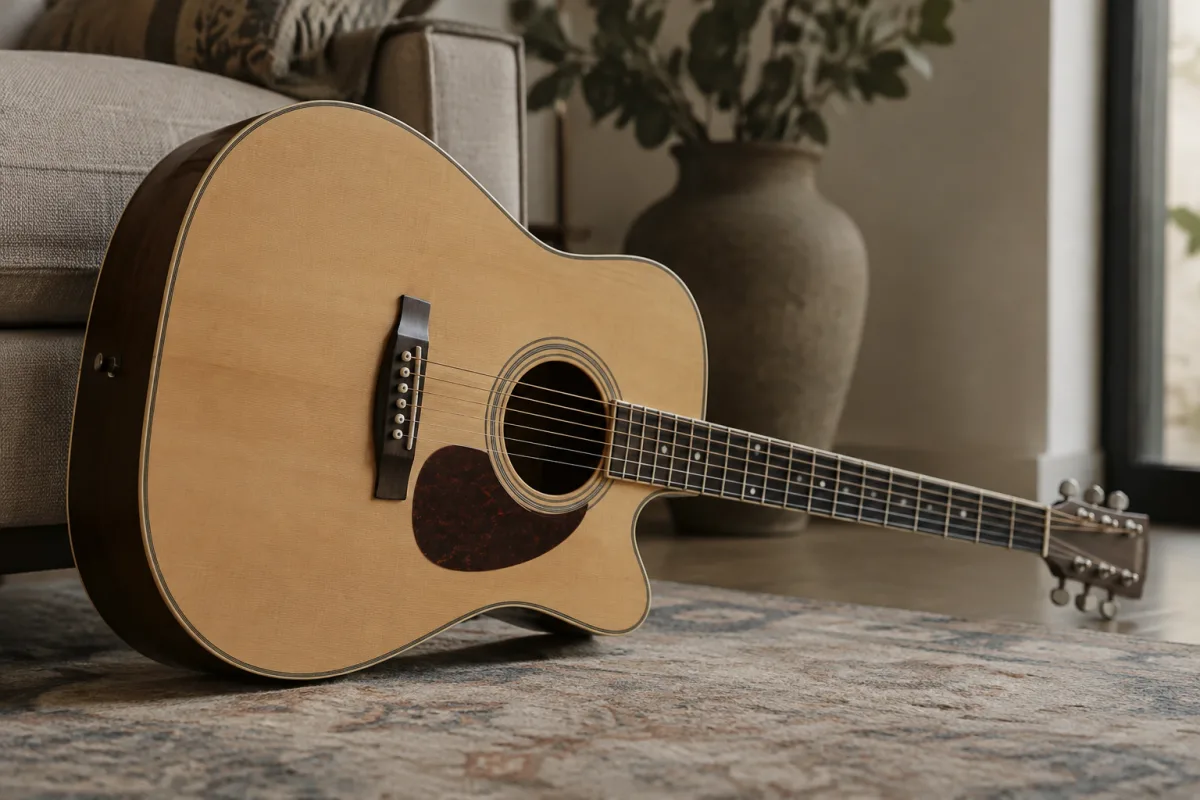
Takamine has earned its reputation through decades of manufacturing acoustic guitars that deliver genuine musical value across all price tiers, and the G series represents one of their most popular product lines. When considering purchasing a Takamine guitar from the G series, understanding the differences between models, evaluating quality indicators, and recognising what distinguishes various price points becomes essential for making a confident investment. This comprehensive buying guide examines the specifications, features, and considerations that will help you select the right Takamine guitar model from the G series for your needs and budget.
Understanding the Takamine G Series Range
Takamine's G series encompasses several distinct product lines, each targeting different player categories and financial situations. Entry-level models provide reliable playability and decent sound quality at affordable prices, ideal for beginners or casual players. Mid-range G series guitars offer substantially improved tonal characteristics and construction quality compared to budget alternatives. Premium models within the Takamine G series incorporate premium materials and superior craftsmanship justifying higher investment levels for discerning players.
Each Takamine guitar in the G series follows the brand's established design philosophy emphasising balanced tonal characteristics and comfortable playability. The series maintains consistent visual styling across price tiers, meaning aesthetic appeal remains constant from entry-level through premium offerings.
Key Specifications to Compare
When evaluating different Takamine guitar models, several technical specifications merit careful examination. Body construction material significantly impacts tonal characteristics and overall durability. Higher-grade Takamine guitars feature solid spruce tops paired with back and side wood selections ranging from laminate at budget levels through mahogany to premium rosewood constructions. Examine the bracing pattern visible through the sound hole—X-bracing represents the industry standard, whilst alternative patterns may indicate specialty designs.
Neck construction affects playability and long-term stability. Quality Takamine guitar necks use selected hardwoods with appropriate moisture control processes preventing future warping or twisting. Examine neck straightness by sighting along the fretboard—any visible deviations indicate quality control problems or previous damage.
Fret quality and fretboard material distinguish budget from premium Takamine guitars noticeably. Higher-grade instruments feature stainless steel frets maintaining consistent spacing and avoiding wear grooves that develop in cheaper alternatives. Fretboard material varies from rosewood in premium models through Indian laurel in mid-range offerings to less expensive alternatives in entry-level Takamine guitars.
Hardware quality, including tuning machines, bridge pins, and nut material, accumulates to create meaningful playability differences. Premium Takamine guitar hardware employs quality brass and superior materials, whilst budget alternatives use less robust components susceptible to wear.
Tonal Characteristics and Sound Quality
The tonal signature distinguishes different Takamine guitar models more significantly than any other single factor. Entry-level models produce adequate, somewhat synthetic-sounding tones suitable for practice and casual playing. Mid-range Takamine guitars deliver warmth and responsiveness that reward serious practice investment and performance applications. Premium models generate complex, nuanced tones rivalling instruments costing considerably more.
Sound projection and sustain vary considerably across the G series. Budget Takamine guitar models produce quieter output and limited sustain, particularly in the bass frequencies. Higher-grade instruments project more powerfully and sustain notes with greater complexity, permitting more musical expression during performance or recording applications.
Build Quality Indicators
| Quality Aspect | Budget Takamine | Mid-Range Takamine | Premium Takamine |
|---|---|---|---|
| Top wood | Laminate spruce | Solid spruce | Premium solid spruce |
| Back/sides material | Laminate | Mahogany or laurel | Rosewood or maple |
| Frets | Nickel | Nickel/stainless blend | Stainless steel |
| Nut/saddle | Plastic composite | Bone or quality composite | Premium bone |
| Finish quality | Thin spray | Moderate thickness | Premium finish |
| Hardware finish | Plated steel | Quality plated brass | Premium plated brass |
Finish thickness indicates quality level across Takamine guitar models. Run your finger across the edge where the finish meets the neck—rough transitions suggest cheaper processes, whilst smooth finishes indicate quality control. Premium Takamine guitars receive careful finishing emphasising durability and aesthetic appeal.
Price Tiers and Value Assessments
| Price Range (GBP) | Model Level | Key Characteristics | Suitable For |
|---|---|---|---|
| £200-350 | Entry-level | Laminate construction, basic hardware, limited tonal range | Absolute beginners, casual players, budget-limited |
| £350-600 | Mid-range | Solid top, improved hardware, good tonal balance | Serious hobbyists, regular players, home use |
| £600-1000 | Upper mid-range | Quality solid construction, premium hardware, superior tones | Experienced players, gigging musicians, serious enthusiasts |
| £1000+ | Premium | Premium materials, superior craftsmanship, exceptional tones | Professional musicians, studio applications, collectors |
Entry-level Takamine guitar models represent genuinely affordable entry points into acoustic playing, though tonal limitations become apparent with extended listening. Mid-range options between £350-600 deliver excellent value for serious players, offering tonal qualities and construction durability justifying the investment. Premium models above £600 serve professionals and discerning enthusiasts seeking instruments rewarding years of musical investment.
Common Purchasing Mistakes
Many buyers overestimate how much price determines playability. A properly set-up budget Takamine guitar plays better than a poorly maintained premium alternative. Budget Takamine guitar models provide adequate playability; the limitations centre on tonal quality and long-term durability rather than basic functionality.
Neglecting hands-on evaluation represents another significant mistake. Sounds differ considerably depending on individual instrument variations within supposedly identical Takamine guitar models. Play several instruments within your target price range, selecting the individual model that resonates most pleasantly with your ear.
Overlooking potential upgrades tempts some buyers. Many Takamine guitar budget models accept bridge pin and nut replacements significantly improving tonal characteristics for moderate cost. Consider upgrade potential when assessing long-term value.
Assuming all models named the same perform identically ignores production year variations. Takamine guitar specifications evolve across manufacturing years—examine specific model years rather than assuming consistency across decades.
Making Your Selection
Before purchasing, determine your skill level and musical ambitions realistically. Beginners gain adequate benefit from entry-level Takamine guitars, permitting skill development without excessive financial risk. Established players should invest in mid-range or premium models ensuring instruments remain satisfying as abilities advance.
Play multiple instruments within your budget before finalising purchases. No specification sheet substitutes for direct hands-on experience identifying which Takamine guitar sounds and feels most appealing to your individual preferences.
For additional context on Takamine G series capabilities and variations, explore the complete guide to Takamine G series guitars.
Conclusion
Selecting a Takamine guitar from the G series requires balancing budget against desired tonal quality, construction durability, and personal playability preferences. By systematically evaluating wood construction, hardware quality, tonal characteristics, and individual instrument variations, you'll identify the Takamine guitar model matching your needs and supporting years of musical enjoyment. Whether you invest in budget-friendly entry-level options or premium models, Takamine's reputation for value ensures your selected Takamine guitar serves you reliably regardless of price tier.





Comments