


Selmer Guitars Buying guide
Selmer Guitars: A Complete Buyer's Guide
Shopping for a Selmer guitar? This guide covers the construction specs that matter, price tiers, what to listen for, and how to avoid common buying mistakes with these renowned jazz and acoustic instruments.
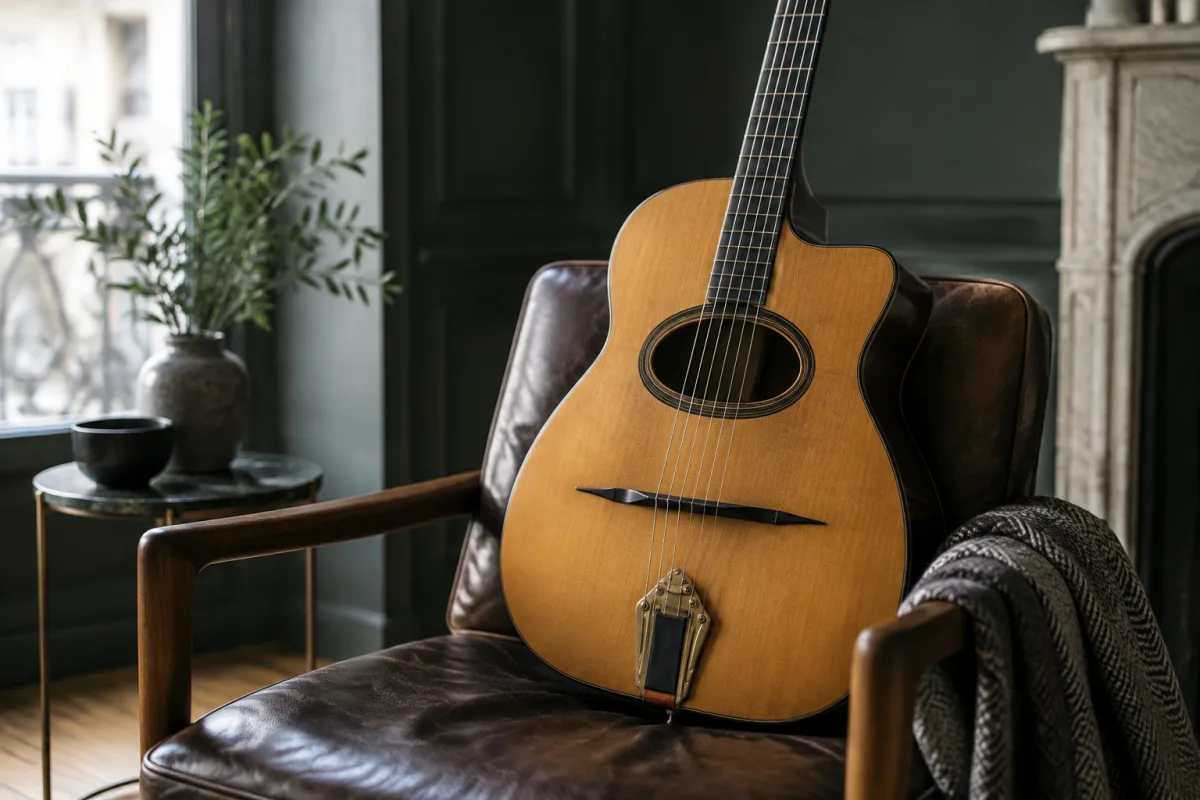
Selmer guitars carry a strong reputation for craftsmanship and tone, particularly their jazz and acoustic models. But knowing what to check when buying one prevents costly mistakes and ensures you get a guitar that matches your expectations. This guide covers the specs that matter, common pitfalls, and what different price points actually deliver.
Understanding Selmer's Guitar Line
Selmer makes several types of guitars, and the category matters enormously for your buying decision. They're perhaps most famous for their jazz guitars, but they also produce folk, classical, and steel-string acoustics. Clarifying which style you want narrows down your options immediately.
- Jazz Guitars (Selmer-style): Typically oval-hole designs with warm, focused tone. Popular with jazz musicians worldwide. Tend toward the higher price point.
- Folk and Acoustic Models: Dreadnought and concert sizes in various price tiers. These are general-purpose acoustics suitable for fingerstyle or strumming.
- Classical Guitars: Nylon-string models aimed at fingerstyle players. Often more affordable than their jazz counterparts.
- Limited and Signature Models: Collaborations with famous players or limited production runs. These command premium prices and often aren't worth the markup unless you specifically want that player's name on the headstock.
Key Specs to Check When Buying
Wood Type and Tonewoods
Selmer guitars use various tonewoods: spruce or cedar for tops, mahogany or rosewood for backs and sides. Here's what each brings:
- Spruce tops: Bright, punchy tone; typically found on budget and mid-range models.
- Cedar tops: Warm, mellow tone; generally more expensive but deliver deeper complexity. Often preferred by professional jazz players.
- Mahogany back and sides: Warm, focused tone; good for jazz guitars.
- Rosewood back and sides: Rich, resonant tone; premium models. Pricier but tonally superior to mahogany.
Budget Selmer models use solid spruce or laminated tops; professional models use solid cedar or spruce throughout. A laminated top is a cost-cutting measure—it doesn't improve with age and sounds less resonant than solid wood. Knowing the construction immediately tells you the instrument's quality tier.
Body Size and Shape
Selmer offers different body sizes: petit bouche (smaller jazz), grande bouche (larger jazz), dreadnought, and concert sizes. Larger bodies project more volume; smaller bodies suit fingerstyle and quieter settings. Jazz players often prefer oval-hole petit or grande bouche designs. Folk musicians typically gravitate toward dreadnought or concert acoustics.
Don't assume bigger is better. A grande bouche jazz guitar sounds muddy at home but magnificent in a jam session. A petit bouche suits practice but lacks projection on stage. Match the size to your actual playing environment, not to convention.
Action Height and Playability
Action refers to string height above the fretboard. High action makes barre chords exhausting; low action can buzz. Selmer guitars vary: budget models sometimes ship with slightly high action. Professional players expect action around 2.0–2.2 mm on the bass side, 1.8–2.0 mm on the treble side.
This is one of the few things a luthier can adjust, but doing so costs £50–150. Check action before buying, and factor in potential adjustment costs if you're purchasing a guitar with higher action.
Frets and Fingerboard Condition
Examine the frets closely. They should be level and straight with no visible wear or dents. Used Selmer guitars sometimes show fret wear, especially in the first few frets from strumming. Levelling and replacing frets is expensive—£300–800 depending on condition. If frets look worn, negotiate heavily or walk away.
The fingerboard (typically rosewood) should be smooth and unblemished. Check for cracks or lifting, which indicate past damage or poor storage.
Price Tiers and What You're Paying For
| Price Range | Typical Construction | Best For | Likely Resale Value |
|---|---|---|---|
| £1,200–1,800 | Laminated tops, solid back/sides; basic hardware | Beginners, casual players | 60–70% of purchase price |
| £1,800–2,800 | Solid spruce/cedar top; mahogany or rosewood sides | Intermediate players, serious hobbyists | 70–80% of purchase price |
| £2,800–5,000 | Premium tonewoods; professional hardware; hand-finishes | Professional musicians, recording | 75–85% of purchase price |
| £5,000+ | Vintage models, signature editions, or exceptional craftsmanship | Collectors, touring professionals | 80–90% (vintage often appreciates) |
Common Buying Mistakes
Paying Premium for Name Without Quality
Signature edition Selmer guitars carrying a famous jazz player's name cost 20–40% more than equivalent non-signature models. You're paying for the name and marketing, not necessarily better tone. If tone is your priority, compare the unsigned equivalent—you often get identical quality for less money.
Buying New When Used Offers Better Value
Selmer guitars appreciate with age and care. A well-maintained used Selmer from 5–10 years ago often costs 30–40% less than the current equivalent new model while sounding better (aged wood improves tone). Vintage Selmer guitars (1960s–1980s) command premium prices but can be exceptional investments.
When buying used, inspect thoroughly: check for cracks in the top, cracks around the neck joint, and fret wear. These are expensive repairs. A guitar that looks cosmetically worn but structurally sound is a better purchase than one that looks pristine but has hidden damage.
Ignoring Setup and Adjustments
A guitar arriving from the factory or previous owner may need setup. Factor in £50–200 for professional setup (action adjustment, intonation check, fret polishing) when budgeting. A cheap guitar properly set up plays better than an expensive one with poor setup.
Assuming All Selmer Models Are Jazz-Appropriate
Selmer's folk and classical acoustics are excellent but suited for fingerstyle or strumming, not jazz. Jazz playing demands specific acoustic properties—projection, focus, and sustain—that their jazz-specific oval-hole models deliver. Buying a dreadnought and expecting jazz tone leads to disappointment.
Neglecting Long-Term Cost of Ownership
Acoustic guitars need maintenance: occasional refretting, bridge replacement, truss rod adjustments. Budget for occasional professional maintenance (£100–300 annually for regular players). Neglecting maintenance turns a good guitar into a problematic one.
Comparing Selmer to Alternatives
Before committing, compare Selmer to other makers in the same price range: Dupont (French jazz guitars), Gitane (gypsy jazz style), or Yamaha (affordable acoustics with solid tone). Each excels in different applications. Playing multiple brands side-by-side reveals which tone character suits your ear and playing style best.
Where to Buy: New, Used, or Rentals
Authorised Dealers (New)
Buy from authorised Selmer dealers for warranty coverage and setup support. They typically arrive properly set up. Prices are fixed but service is reliable.
Used Market (Private or Shops)
Better value, but inspect carefully. Reputable vintage guitar shops often offer warranties and inspection reports. Private sales require your own diligence. Always play before committing, and ask for detailed photos of the interior (especially the neck joint).
Rentals
If you're unsure about committing £2,000+, rent a Selmer for a month (typically £80–150 monthly rental). This lets you experience the sound and playability before purchasing. Rental fees sometimes apply toward purchase price if you buy.
Your Buying Checklist
- Determine what style of Selmer you need: jazz, folk, classical
- Identify your budget and the price tier that matches your skill level
- Check construction: solid vs. laminated tops; wood types
- Play the guitar for at least 10 minutes to assess tone and playability
- Check action height and fret condition (factor in adjustment costs if needed)
- Inspect the body, neck joint, and headstock for cracks or repairs
- For used guitars, ask about maintenance history and storage conditions
- Factor setup and maintenance costs into your total budget
- Compare Selmer to alternatives (Dupont, Gitane, Yamaha) at the same price point
- Consider renting first if you're committing significant money
Making Your Decision
Selmer guitars reward patience and careful selection. Play multiple models before deciding; let your ear guide you rather than brand loyalty or fashion. A well-chosen Selmer becomes a lifelong instrument. For a deeper technical exploration of the full Selmer line, read the complete guide to Selmer guitars.
Remember: the best Selmer is the one you'll actually play, not the most expensive option available.



Comments