


Martin Series X Buying guide
Martin Series X: A Complete Buyer's Guide
Considering Martin Series X? Our buyer's guide explains composite construction benefits, tonal characteristics, durability advantages, and when Series X justifies its price.
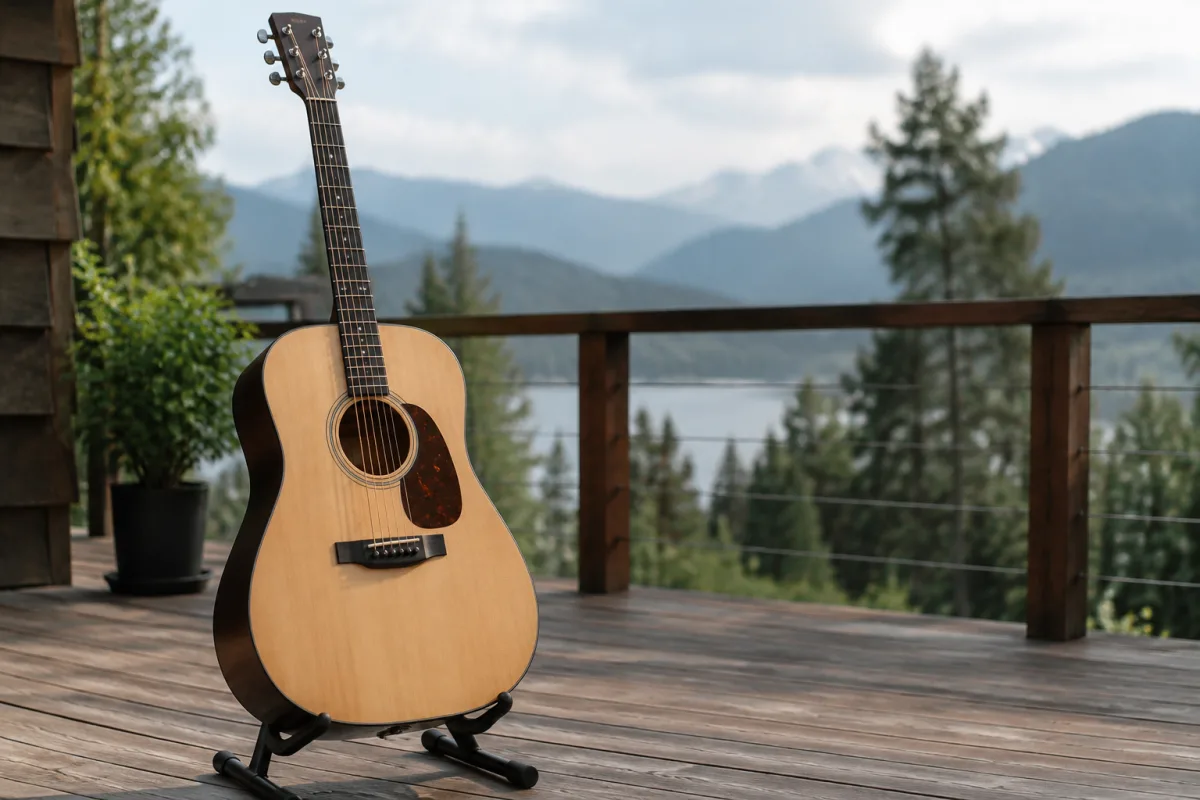
Martin Series X guitars offer a distinctive alternative to traditional wood acoustic guitars—combining Martin's legendary craftsmanship with modern composite materials for unprecedented durability. Whether you're a traveller seeking weather-resistant instruments, an outdoor performer, or someone valuing reliability over traditional tonewoods, understanding Martin Series X specifications helps you determine whether this innovative approach serves your needs. This buying guide reveals which Martin Series X characteristics matter most, how composite construction compares to traditional materials, and when this option represents genuine value.
Understanding Martin Series X Construction
Martin Series X guitars feature solid Sitka spruce tops paired with high-pressure laminate (HPL) backs and sides rather than traditional tonewoods. HPL represents a technological advancement combining wood fibres with resin under extreme pressure, creating composite materials that resist moisture absorption, temperature fluctuation damage, and physical impact better than solid wood. This construction creates remarkably durable instruments suitable for conditions destroying traditional guitars.
The composite approach fundamentally shifts guitar character. Solid wood backs and sides contribute significantly to acoustic tone quality and resonance; composite materials produce different tonal characteristics. Martin Series X guitars sound distinctly different from equivalent traditional Martin models—this difference isn't necessarily negative, simply different. Some players prefer the slightly brighter, more controlled tone; others miss the warmth solid wood provides.
Tonal Characteristics and Sound Quality
Martin Series X guitars produce clear, articulate tones with excellent high-mid clarity and defined bass response. Compared to traditional Martin instruments, Series X lacks some warmth and resonant bloom, but this directness appeals to players valuing clarity and cut-through in amplified or ensemble settings. Fingerstyle players sometimes find Series X slightly less responsive than traditional models; strummers often appreciate the controlled, defined character.
Sound character also reflects traditional Martin construction principles—Series X models maintain professional-grade craftsmanship despite composite materials. Bearing edge precision, bracing design, and top wood quality remain high-priority manufacturing focuses. The composite construction doesn't excuse compromises elsewhere in instrument design.
Durability and Environmental Resistance
Series X guitars excel in challenging environmental conditions. Humidity fluctuations that cause structural damage in traditional guitars are essentially irrelevant—composite backs and sides don't absorb moisture or expand/contract seasonally. Temperature variations that crack solid wood guitars leave Series X instruments unaffected. UV exposure and salt-air environments that damage traditional guitar finishes pose minimal concern for properly maintained Series X instruments.
This durability advantage appeals to touring musicians, outdoor performers, and players in variable climates. A Series X guitar withstands conditions that would destroy traditional instruments. For travel, camping, or unpredictable storage environments, this resilience represents genuine practical value justifying the compositional trade-off.
Price Positioning and Value Assessment
Martin Series X guitars typically cost £800-1,800 depending on configuration and top materials. This positioning places them above budget acoustic alternatives but below premium traditional Martin models. Series X pricing reflects construction complexity—HPL manufacturing requires sophisticated processes—and Martin's reputation. Compared to entry-level traditional Martins, Series X costs slightly more but offers significantly superior durability.
Evaluate Series X value through a durability lens. A £1,200 Series X surviving decades of environmental abuse and neglect represents better long-term value than a £900 traditional guitar requiring constant environmental control and professional maintenance. Calculate cost-per-year-of-use considering maintenance requirements before dismissing Series X pricing as premium.
Model Range and Specifications
Martin Series X includes several body styles—D-series (dreadnoughts), OM-series (orchestral models), and compact options each offering different tonal characteristics. Dreadnoughts deliver maximum volume and bass presence; OM-series provide balanced, articulate tones; smaller bodies offer portability and distinct character. Select body styles matching your musical preferences before evaluating Series X positioning.
Top wood selections vary—Sitka spruce represents the standard, offering bright, clear tones. Some Series X models feature alternative top materials. Evaluate top wood options against your tonal preferences; composition materials influence tone less than traditional wood combinations, but top wood selection remains significant.
Playability and Comfort Characteristics
Series X guitars maintain Martin's reputation for excellent playability. Action specifications, neck profiles, and overall setup quality remain professional standards. The composite construction doesn't affect playing feel or comfort—ergonomics and construction precision serve players identically to traditional models. Anyone comfortable with traditional Martin playing characteristics adapts seamlessly to Series X instruments.
Weight distribution and balance differ slightly compared to traditional instruments due to composite material properties, but most players find Series X guitars equally comfortable after brief acclimation. Test instruments before purchasing to ensure personal comfort, though playability differences between Series X and traditional models typically prove minimal.
Comparing Series X to Traditional Alternatives
When evaluating Series X value, compare against traditional Martin models and alternative composite guitar brands. Traditional Martins (£1,500-3,000+) offer superior tonal complexity but require environmental care and maintenance. Budget Martins (£600-900) cost less initially but lack Series X durability advantages. Alternative brands offer composite guitars at various price points—some excellent values, others questionable quality.
Consider whether traditional Martin tonal character matters more than Series X durability and low-maintenance benefits. Gigging musicians valuing reliability over perfect tone often prefer Series X; studio-focused players might prioritise traditional instruments. Honest self-assessment of priorities prevents purchasing regret.
Maintenance and Long-Term Care
Series X guitars require minimal maintenance compared to traditional instruments. Standard cleaning with microfibre cloths and occasional finish conditioning suffice. HPL back and sides never require special humidity control—humidity fluctuations simply don't affect them. This low-maintenance character appeals to busy musicians, travellers, and anyone valuing simplicity.
Solid spruce tops still benefit from occasional conditioning, though Series X tops deteriorate more slowly than traditional instruments due to superior body support. Professional setup remains worthwhile after purchase or if issues develop, but Series X instruments typically require less frequent professional attention than traditional guitars.
Common Buying Mistakes to Avoid
The most frequent error is expecting Series X tonal qualities to match traditional Martin instruments. Series X represents a deliberate design choice prioritising durability and stability over traditional warmth. Players insisting on classic Martin tone should purchase traditional models regardless of environmental concerns.
Another common mistake is assuming low maintenance means zero care. Series X guitars still appreciate professional setup, occasional top conditioning, and basic care. They're low-maintenance compared to traditional instruments, not maintenance-free.
Many buyers also overlook sonic character differences during initial evaluation. Extensive auditioning in various playing contexts prevents purchasing instruments that disappoint musically despite excellent durability credentials.
Testing and Auditioning Thoroughly
Before purchasing, audition Martin Series X extensively. Play various playing styles—fingerstyle, strumming, percussive approaches—assessing tonal response and character. Compare directly against traditional Martin models (if tonal comparison matters to you) to confirm you appreciate Series X character. What sounds impressive initially might disappoint after weeks of playing.
Test playability in realistic scenarios matching your intended use. Travel performers should evaluate portability and durability in simulated transport scenarios. Studio players should assess tonal integration with other instruments. Context-appropriate testing prevents purchasing mismatches.
Investment and Long-Term Perspective
For comprehensive information about Martin Series X guitars, broader acoustic guitar selection strategies, and detailed comparisons with traditional alternatives, consult our complete guide to Martin Series X. You're now equipped to evaluate Series X guitars objectively. Determine whether durability and low-maintenance benefits outweigh tonal character differences for your specific needs. Research specific models, audition extensively, and purchase with confidence. Quality Martin Series X guitars serve years of satisfying performance when chosen wisely for appropriate applications.


Comments