
Cf Martin D 18 article
The Complete Guide to Cf Martin D 18
The CF Martin D-18 is the gold standard among acoustic dreadnoughts, renowned for its warm tone, exceptional craftsmanship and enduring value.
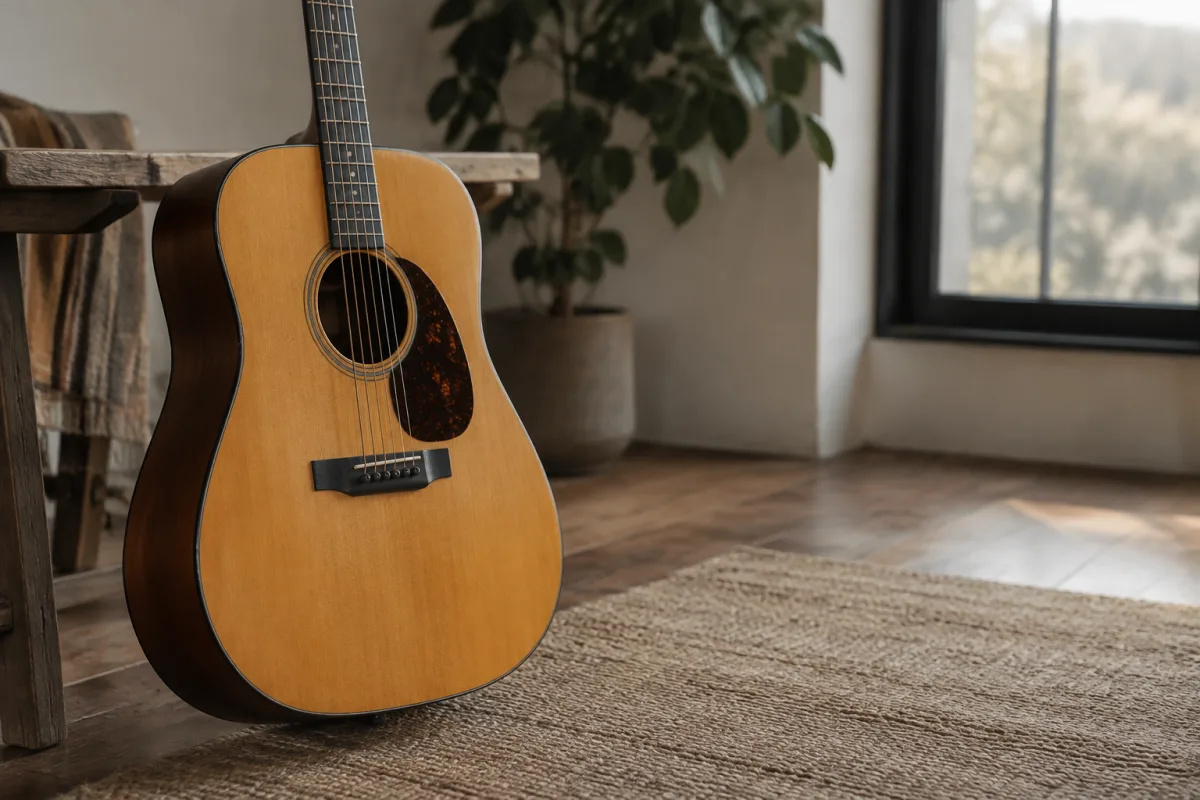
This instrument represents the pinnacle of American acoustic guitar craftsmanship, standing as one of the most coveted and influential instruments in music history. For nearly a century, this iconic guitar has been the choice of legendary folk singers, country musicians and fingerstyle virtuosos seeking tone, projection and playability that few other guitars can match. Built with meticulous attention to detail using premium tonewoods, this iconic guitar delivers a warm, resonant bass and bright, articulate treble—characteristics that have defined professional acoustic guitar performance across countless genres and recording studios.
History and Legacy of the CF Martin D-18
Martin guitars began crafting the D-series dreadnought in 1931, with this iconic guitar emerging as their flagship model. Named for its Dreadnought size and Indian Rosewood sides and back, this iconic guitar has remained virtually unchanged in fundamental design for over 90 years—a testament to the genius of its original engineering. Willie Nelson's trusty CF Martin D-18 "Trigger" has accompanied him on stages worldwide and on countless recordings, exemplifying the instrument's reliability and tonal consistency across decades of use.
Tonal Characteristics and Sound Quality
This instrument delivers a warm, woody bass response balanced with bright, articulate treble. The Indian Rosewood used in sides and back provides deep low-end resonance, whilst the Sitka Spruce top develops a complex, multifaceted tone that opens up with age and playing time. The tonal signature of an acoustic dreadnought cuts through in live settings without being shrill, making it ideal for both intimate singer-songwriter contexts and large concert venues. The instrument's response is remarkably consistent, with minimal tonal variation between individual examples.
Construction and Materials
Each premium model is handcrafted using carefully selected tonewoods. The Sitka Spruce top is aged and hand-selected for optimal acoustic properties. The Indian Rosewood (Dalbergia latifolia) used in the back and sides imparts warmth and projection. The mahogany neck provides stability and contributes to overall playability. Premium bone saddles and nuts ensure optimal string-to-wood contact and sound transmission. These materials combine to create an instrument that improves with age, developing richer tone as the wood seasons.
Playability and Comfort
This instrument features a comfortable neck profile and well-balanced body shape. The dreadnought size delivers powerful projection whilst remaining manageable for most players. The solid construction and precise craftsmanship mean this iconic guitar plays accurately across the entire fretboard with consistent action and intonation. The instrument responds well to various playing styles—from aggressive flatpicking to delicate fingerstyle—without requiring excessive finger strength.
Investment Value and Collectibility
A CF Martin D-18 represents both an exceptional musical instrument and a sound financial investment. Used these premium guitars typically appreciate in value over time, particularly vintage examples from the 1950s–1970s. A 1960s an example in good condition can sell for £5,000–£10,000 or more, reflecting the instrument's enduring desirability. Modern these premium guitars, while expensive at £3,000–£4,500 for new examples, hold their value exceptionally well should you decide to sell.
Comparison to Other Premium Acoustic Guitars
Competitors like Taylor, Gibson and Guild produce excellent dreadnoughts, but this iconic guitar maintains a distinct tonal character and heritage that many players prefer. Taylor guitars often feature brighter, more modern tones and innovative appointments. Gibson J-45 models offer comparable warmth but with a different resonance profile. This instrument distinguishes itself through its classic, balanced tone and uncompromising build quality that has remained consistent for generations.
Maintenance and Care of Your instrument
Protecting your CF Martin D-18 investment requires attention to climate control and regular maintenance. Keep the instrument in a hard case when not in use, stored in stable temperature and humidity conditions. Humidity levels between 45–55% percent preserve the wood and prevent cracking or warping. Clean the fretboard periodically with appropriate lemon oil. Have a professional luthier perform annual maintenance and adjustments to keep your CF Martin D-18 playing optimally.
Vintage vs. New CF Martin D-18 Models
Vintage these premium guitars from the pre-war era through the 1970s command premium prices and possess unique tonal characteristics developed through decades of playing. Their aged wood and historical significance appeal to collectors and professional musicians. Modern premium models offer reliability, consistency and a return to traditional specs after some years of experimental construction during the 1980s–1990s. Many players and recording engineers consider current-production these premium guitars to represent the finest acoustic instruments available today, combining heritage design with modern quality control.
Recording and Performance Applications
This instrument remains a staple in recording studios and concert stages worldwide. Its balanced tone requires minimal EQ or processing, making it ideal for capturing natural acoustic sound. The instrument's projection ensures clarity in live settings without feedback problems common with some modern guitars. Professional session players frequently choose this iconic guitar for both studio sessions and touring, attesting to its reliability and sonic excellence across diverse musical contexts.


Comments