


Ibanez Iron Label Buying guide
Ibanez Iron Label: A Complete Buyer's Guide
Comprehensive guide to buying Ibanez Iron Label guitars. Understand construction design, specifications, pricing, and common mistakes when choosing this metal-focused guitar line.
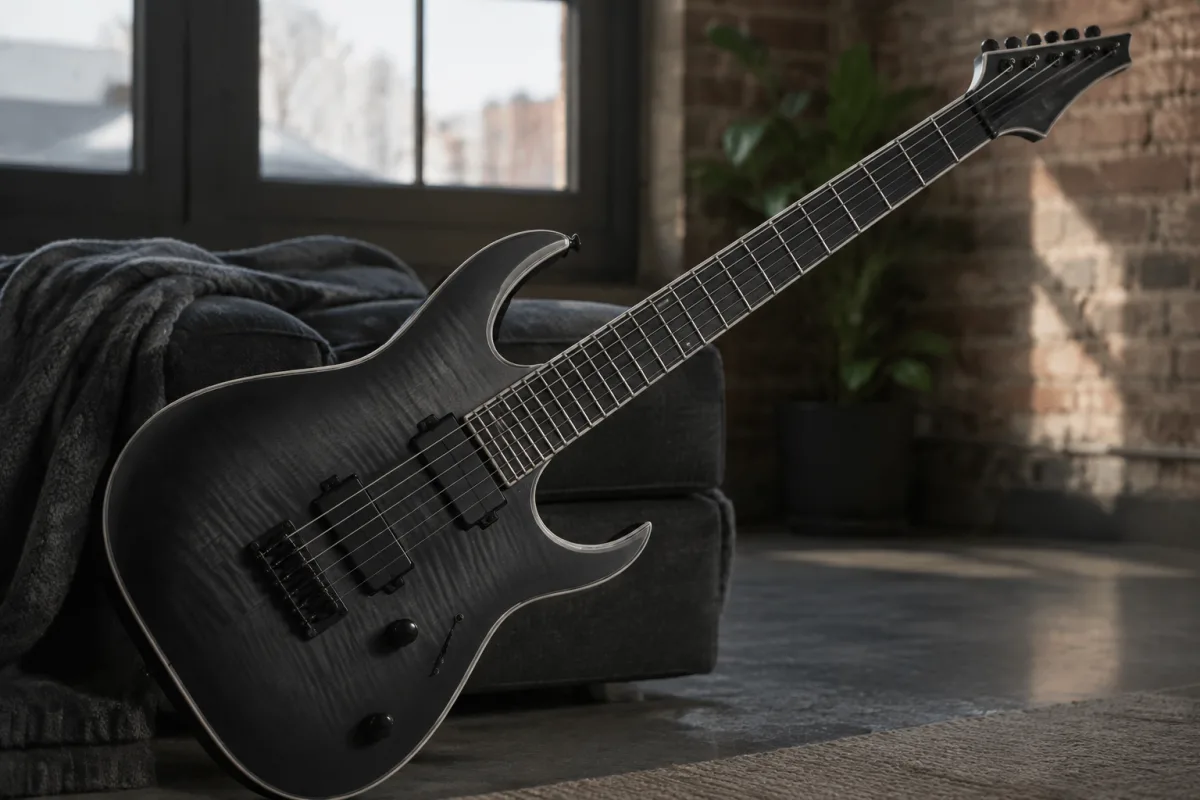
Ibanez's Iron Label line represents the brand's commitment to metal and hard rock players: instruments built specifically for high-gain applications, aggressive styling, and demanding performance environments. If you're shopping for an Ibanez from this series—whether you're upgrading from a budget model or exploring Ibanez's particular brand of metal-oriented design for the first time—this buying guide covers the essential specifications, construction differences that matter for heavy music, pricing across the Iron Label range, and common purchasing pitfalls specific to this specialised line.
Understanding Iron Label Design Philosophy Before Purchase
The Ibanez Iron Label series exists at the intersection of affordability and professional-grade construction. These instruments prioritise rapid-fire playability, aggressive aesthetic design, and electronics optimised for high-gain amplification. Unlike Ibanez's premium lines, Iron Label models offer genuine value without sacrificing the core design principles that define the brand: thin, fast necks; robust hardware; and pickups voiced for saturation and punch rather than clean transparency.
Sharp body styling distinguishes Iron Label from gentler Ibanez models. The series emphasises aggressive visual language—angular horns, sleek finishes, and purposeful design that communicates heavy intent. For metal and hard rock players, this aesthetic alignment with musical genre matters; the guitar's appearance reinforces its practical mission.
Through-body construction appears on many Iron Label models. In this design, the strings anchor to a wooden block running through the instrument's entire body length, rather than stopping at the bridge. This approach maximises sustain, improves transfer of string vibration to the wood, and contributes to the thick, resonant tone that metal players demand. Budget electric guitars use conventional bolt-on bridges; the through-body upgrade justifies premium pricing.
Key Specifications to Check When Buying Ibanez Iron Label
Pickup selection fundamentally shapes the instrument's sonic character. Iron Label models typically feature high-output Ibanez Powerspan or custom-designed pickups engineered for saturation. Confirm the specific pickup model; not all Iron Labels use identical hardware. Higher-output pickups (measure in kilohms) push amplifier input harder, creating thicker overdrive and distortion. Evaluate whether these output characteristics suit your amplifier and playing style.
Neck profile deserves hands-on evaluation. Ibanez necks are famously thin and fast—significantly different from Fender or Gibson's thicker profiles. If you've played Ibanez before, you know whether this suits your hand geometry. If not, spend at least thirty minutes playing an Iron Label model. Thin necks excel for rapid position changes and finger-cramping soloing; they feel different and take adjustment if you're accustomed to thicker necks.
Hardware quality directly affects tuning stability and bridge longevity. Iron Label models feature robust bridge hardware, but condition matters on used instruments. Examine the bridge for cracks, bent saddles, or worn threads. Replacement bridge hardware costs £50–150 installed; budget for this if purchasing older used models.
Fretwork quality separates playable instruments from problematic ones. Request close-up photographs of frets along the entire fingerboard. Uneven frets create buzzing and dead spots—particularly noticeable on high-gain amplification where even subtle buzzing amplifies audibly. Professional fret levelling (£80–150) is a common repair on older or heavily played Iron Labels.
Electronics condition requires testing. High-output pickups sometimes produce excessive noise in electrically hostile environments (recording studios with heavy computer use, stages with lighting rigs). Test all pickup combinations through a loaded effects loop if possible; static noise might not appear with a clean amp but could become problematic during actual performance.
Common Pitfalls to Avoid When Purchasing
Mistake one: confusing Ibanez product lines. The brand manufactures numerous series at different price points with varying construction quality. Iron Label occupies a specific market segment; confirm you're purchasing from this line, not a cheaper Ibanez series or a costlier premium model. Product names appear on headstock branding and specifications sheets.
Mistake two: underestimating thin neck adjustment. If you've played conventional Fender or Gibson designs your entire career, an Ibanez thin neck feels shockingly narrow initially. Some players love this; others never adjust comfortably. Test thoroughly before committing. There's no "growing into it"—if the neck feel is wrong for your hand, it remains wrong.
Mistake three: buying heavily used models without fretwork assessment. Years of aggressive playing can leave frets significantly worn. Professional fret replacement (£200–400) is expensive; factor this cost into your valuation. A seemingly affordable used Iron Label might require substantial restoration.
Mistake four: ignoring hardware condition on used models. Through-body constructions rely on solid hardware integrity; bent bridge saddles or misaligned tuning machines degrade playability and intonation. Replacement hardware is modest compared to fret work but compounds if multiple components need attention.
Mistake five: overlooking colour and finish effects on resale. Ibanez Iron Labels come in distinctive colour schemes designed to appeal to metal aesthetics. Some finishes hold value better than others; unusual custom colours can actually hinder resale despite looking visually striking. Choose based on personal preference, but understand that unconventional finishes might limit future buyers.
Price Tiers and What You're Paying For
Entry-level Ibanez Iron Label models (typically six-string versions with standard hardware) range from £300–500 new. These represent solid value for metal players exploring the brand; construction is legitimate, and playability characteristics are genuine. Used models in good condition cost £150–300.
Mid-range Iron Labels (extended scale seven-string options, improved electronics, refined hardware) cost £500–800 new. This tier represents the series' sweet spot, offering extended range capability for djent and progressive metal whilst maintaining the design principles that define the line. Used mid-range models fetch £350–600.
Premium Iron Labels (custom finishes, boutique pickup options, professional-grade hardware upgrades) command £800–1,200 new. At this price point, you're approaching Ibanez's premium lines; the distinction matters. Premium Iron Labels remain value-oriented compared to higher-tier Ibanez models but represent the absolute top of this specific series.
Vintage Ibanez models (1990s through early 2000s Iron Label equivalents) range from £200–600 depending on condition and provenance. Older models can be genuinely solid instruments; condition is the determining factor. Avoid models requiring substantial restoration unless you enjoy repair projects.
Choosing Between Models and Conditions
For first-time Iron Label purchase, choose new or recent used mid-range six-string or seven-string options. These offer proven reliability, straightforward service parts, and the core design that defines the series. Extended scale nine-string and ten-string variants suit experienced players comfortable with wider fingerboard spacing.
Budget-conscious buyers find genuine value in used mid-range models in good condition; you're purchasing the same core instrument at reduced cost. Avoid the cheapest used options unless you possess fretwork and electronics expertise.
Making Your Purchase Decision
Play the instrument for at least forty minutes. Test rapid position changes and soloing passages that metal playing demands. Confirm the thin neck suits your hand. Evaluate pickup output through multiple gain levels. Assess fret quality across the entire fingerboard. Check tuning stability by aggressive bending and returning to pitch.
For deeper understanding of Ibanez Iron Label construction, history, and sound characteristics, consult our complete guide to Ibanez Iron Label guitars.
Ibanez Iron Label instruments remain among the most sensible metal guitar purchases available. Invest confidently in mid-range new or used models; you're purchasing legitimately professional-grade equipment designed explicitly for your musical goals.



Comments