


Ibanez Explorer Buying guide
Ibanez Explorer: A Complete Buyer's Guide
Buying an Ibanez Explorer? This guide walks you through specs, price tiers, condition checks, and exactly what separates a great buy from a costly mistake.
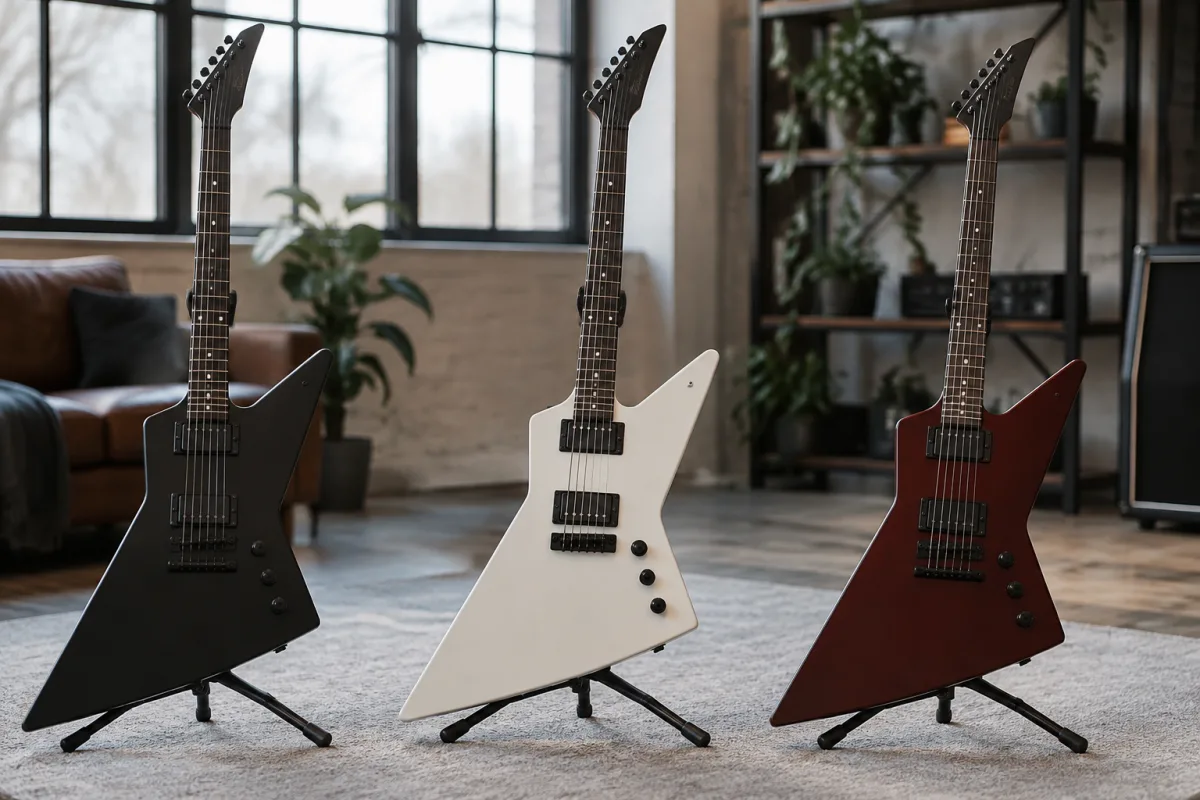
The Ibanez Explorer is one of the most striking electric guitars on the market. Its angular, modern aesthetic makes a bold statement, whether you're playing heavy metal, progressive rock, or experimental music. But when it comes time to actually buy one, there's more to consider than just how good it looks. This buying guide walks you through the key specs to check, price tiers to understand, common pitfalls to avoid, and exactly what separates a wise purchase from an expensive mistake.
What You're Actually Looking For
Before diving into specific models, understand what matters when buying an Ibanez Explorer. You're evaluating build quality, playability, electronics, hardware reliability, and value for money. The Ibanez Explorer has evolved significantly across different production years and price points, so knowing what to prioritise helps you make a choice you won't regret.
Price Tiers Explained: Know Your Budget Range
Ibanez Explorers exist at several distinct price points, and understanding the differences matters tremendously:
- Budget tier (£400–£700): Entry-level Ibanez Explorers with solid construction and decent playability. Hardware is functional but not premium. Electronics work reliably but lack high-end refinement. Suitable for beginners and intermediate players who want the shape without major investment.
- Mid-range tier (£700–£1,500): Better components throughout. Improved hardware, pickups with more character, and fretwork closer to professional standards. These offer genuine value and play well for most working musicians.
- Professional tier (£1,500–£3,000): Premium hardware, hand-selected wood, superior electronics, and meticulous setup. Built for demanding players who need reliability on stage and in studio. Resale value holds better.
- Premium/Artist tier (£3,000+): Top-tier builds with exotic woods, boutique electronics, and master-level craftsmanship. These are investment pieces for collectors and professionals with specific aesthetic or sonic requirements.
Critical Specs to Check Before Buying
Narrow down your options by evaluating these essential specifications:
- Body wood: Mahogany is standard and sounds warm; ash or alder offers brighter tone. Check the listing carefully—cheap models sometimes use cheaper wood composites.
- Neck wood: Maple is common and reliable. A three-piece neck is stronger than a one-piece if you're concerned about durability.
- Fretboard material: Rosewood, ebony, or maple. Avoid obscure woods on budget models. The frets should be level and polished, not rough.
- Fret count: 22 frets is standard; 24 frets gives you higher notes and more playing space. Check if this matters for your style.
- Pickups: Ibanez typically uses their own or Seymour Duncan pickups. Research which generation—older models may have pickups that don't match current tonal preferences.
- Hardware quality: The bridge, tuning machines, and controls should feel solid with no rattle or wobble. Cheap hardware is often the first thing to fail.
- Electronics: Simple is reliable. Avoid models with overly complex switching if you're not sure you'll use every option. Test all knobs and switches for crackling.
- Scale length: Most Ibanez Explorers use 24.75-inch or 25.5-inch scales. Shorter scales feel easier to fret; longer scales hold tuning better and are traditional for heavier playing styles.
Common Pitfalls That Cost Money
These mistakes are easy to make when buying an Ibanez Explorer:
Buying purely for looks. The Explorer shape is stunning, but an uncomfortable, poorly-maintained guitar looks good in photos and plays terribly. Always test playability first.
Ignoring the year of manufacture. Older Ibanez Explorers (pre-2010) sometimes have neck pocket issues or hardware from less reliable suppliers. Know what era you're buying.
Overlooking hidden setup costs. Some used Explorers need a professional setup (£50–£150) to play properly. Budget for this if buying secondhand.
Confusing different model lines. Ibanez makes the Iceman (single-cutaway), the Destroyer (different shape entirely), and the actual Explorer. Don't accidentally buy the wrong model.
Buying electronics-heavy models if you're simple-minded about tone. Some Ibanez Explorers have active electronics, multiple pickups, coil splits, and phase switches. If you just want to plug in and play, a simpler model is better value.
Not checking for damage on used models. Cracks in the body, fret wear, worn frets, dead zones, hardware corrosion, or neck twist are deal-breakers. Get a detailed photo examination or test before committing.
Where to Buy: Which Marketplace Makes Sense
- New from a retailer: Full warranty, guaranteed condition, fair pricing. Best for first-time buyers who want security.
- Reverb or eBay: Wider selection, often better pricing for used models. Check seller ratings carefully and ask specific condition questions.
- Local classified ads: Opportunity to play before buying and negotiate. Always test thoroughly before money changes hands.
- Specialist guitar shops: Staff expertise, possible discounts, setup included. Often costs slightly more but reduces risk significantly.
- Avoid: Auction sites with unclear condition descriptions, overseas sellers with weak return policies, suspiciously cheap new models (likely counterfeit).
What to Look for in Condition: A Detailed Checklist
When you're inspecting an Ibanez Explorer in person or examining detailed photos online, use this checklist:
- No visible cracks, splits, or stress marks in the body or neck.
- Frets are level (sighting down the neck under a light reveals any problems).
- No dead spots where the guitar goes quiet when played on specific frets.
- Tuning machines hold tuning without slipping.
- All pots, switches, and knobs function smoothly with no crackling.
- No rust or corrosion on hardware, springs, or electronics.
- Neck relief (slight forward bow) is correct, not twisted or back-bowed.
- Nut and bridge are properly fitted with no gaps or movement.
- All original components are present (or you know what's been upgraded).
New vs. Used: The Financial Calculation
A new Ibanez Explorer guarantees condition and often includes warranty. However, used models typically represent better value if you're patient and inspect carefully. Factor in:
- A used Explorer two to three years old often plays as well as new and costs 30–40% less.
- Vintage Explorers (10+ years old) may need setup or fret work—budget £100–£300 extra.
- Brand-new current-year models hold value better for resale than older stock.
- Used models without original packaging or tags are usually discounted but play identically.
Pickup Choice: A Decision That Affects Your Sound
The pickups in your Ibanez Explorer shape your tone more than any other single factor. When evaluating or choosing a model:
- Stock Ibanez pickups: Reliable and balanced. Good for general playing. Not the most characterful but solid enough.
- Seymour Duncan options: More tonal personality. JB Jr. is popular for heavier styles; Hot Rail works for rock and pop.
- Passive electronics: Simpler, less maintenance, traditional tone-shaping.
- Active electronics: Higher output, more tonal control options, but require battery changes and more technical setup.
If a model's pickups don't suit your style, budget an extra £150–£300 to upgrade them later. This is cheaper than buying a different guitar outright.
Connecting to Your Research
This buying guide focuses on the practical decisions you need to make. For deeper background on the Ibanez Explorer's design, history, and variations, check out our complete guide to Ibanez Explorer, which provides comprehensive context and specifications.
Making Your Final Decision
After you've researched specs, checked condition, and compared prices, the final decision comes down to playability and how the guitar feels in your hands. A perfect spec sheet means nothing if the instrument doesn't inspire you to pick it up and play. Visit shops, test models, and don't rush. The right Ibanez Explorer will be worth every penny when you find it—and you'll know it instantly.


Comments