


Guild Bass Buying guide
Guild Bass: A Complete Buyer's Guide
A buying guide to choosing the right Guild bass. Learn which specs matter, how to evaluate price tiers, and what common mistakes to avoid when investing in a quality bass.
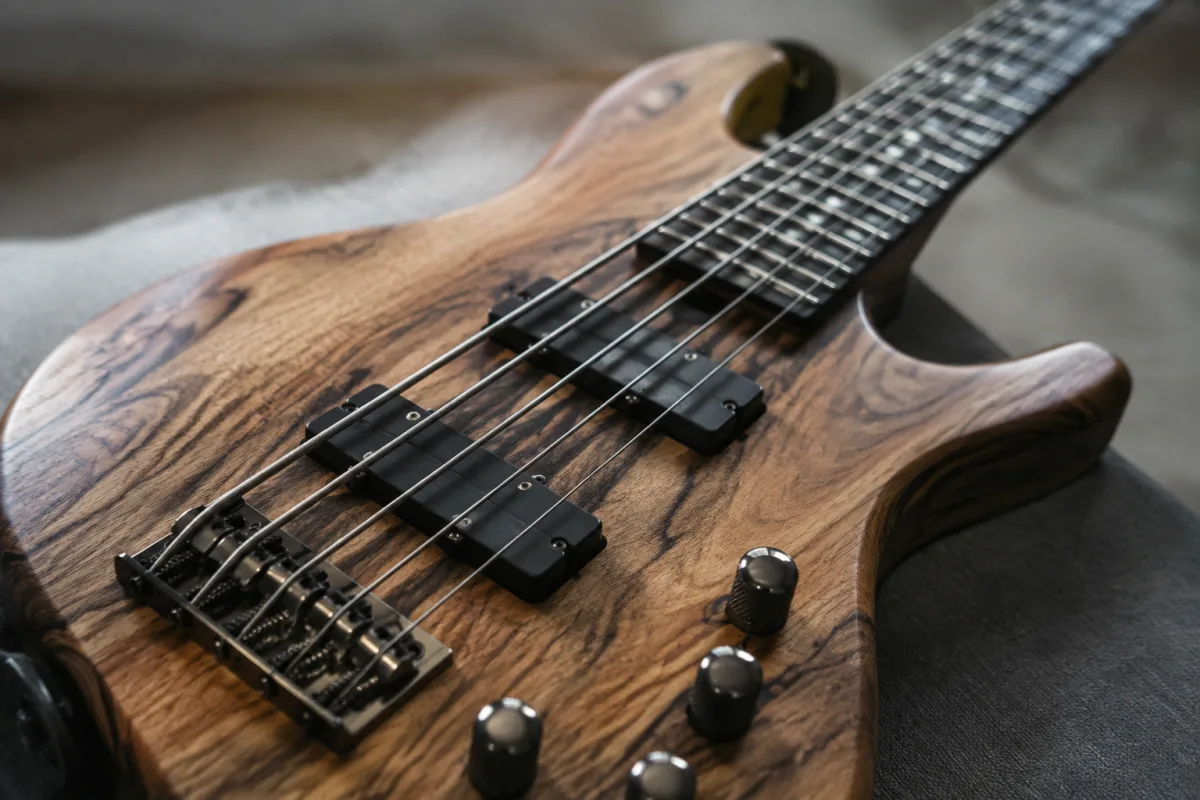
Choosing a Guild bass means understanding a brand with genuine pedigree in instrument manufacture. Guild basses have earned their reputation among working musicians for solid construction and reliable performance. If you're considering a Guild bass for your setup, understanding what separates the entry-level models from the premium instruments—and what matters when you're spending your money—is essential to making a choice you won't regret.
What Makes a Guild Bass Worth Considering
Guild basses occupy a middle ground that often appeals to experienced players. They're more affordable than high-end boutique instruments but built with better quality control than budget brands. A Guild bass won't be the cheapest option you find, but you're paying for consistently reliable construction rather than following marketing hype. The brand's history in American instrument manufacturing gives weight to this positioning—they know how to build basses that hold up to professional use.
Before diving into specs, understand that Guild bass instruments come in several distinct categories, each addressing different needs and budgets. Their current range spans from entry-level offerings up to professional-grade models, with meaningful differences in materials, hardware, and electronics.
Key Specifications to Evaluate
When comparing Guild bass models, several specifications matter far more than others. First is wood selection. Entry-level Guild basses typically use plywood bodies, which offer reliability and decent durability but lack the resonance and sustain of solid wood. If you're planning to keep your bass for years and play it regularly, moving to a solid wood model—poplar, basswood, or alder—is worth the extra investment. The neck material also matters: a solid one-piece neck provides better stability than laminated alternatives, particularly in climates with significant seasonal humidity changes.
Hardware quality directly affects both playability and longevity. Budget Guild bass models come equipped with basic tuning machines and bridges; mid-range models upgrade to more substantial hardware with tighter tolerances. Electronics are another dividing line—passive electronics (simpler, fewer moving parts) versus active (more tonal flexibility, requires a battery). Neither is inherently superior; it depends on your playing style and whether you value simplicity or versatility.
Price Tiers and What They Include
| Price Range | Typical Features | Best For |
|---|---|---|
| Under £250 | Plywood body, basic hardware, passive electronics, limited finish options | First-time buyers, casual players, learning basics |
| £250–£500 | Plywood or entry-level solid wood, improved tuning stability, basic passive setup | Serious hobbyists, gigging musicians on a budget |
| £500–£1,000 | Solid wood body, quality hardware, passive or active electronics, better finishes | Working musicians, studio session players |
| £1,000+ | Premium wood, professional-grade hardware, refined electronics, hand-finished | Professional touring players, collectors |
Neck Profile and Playability
A Guild bass neck profile varies between models, and this affects long-session comfort dramatically. Thinner, faster necks suit players who transition from guitar or prefer nimble technique. Thicker, fuller profiles offer more hand support for players with larger hands or those who favour gripping styles. Before purchasing, play several models if possible—neck feel is deeply personal, and the wrong profile can make an otherwise fine Guild bass uncomfortable to own.
Fret quality matters too. Budget Guild bass models sometimes show visible fret wear more quickly than mid-range alternatives. Check that frets are evenly levelled; playing an unfretted or unevenly fretted bass is frustrating and expensive to repair.
Action, Setup and Intonation
A new Guild bass should arrive with factory setup that supports playable action—typically around 2mm on the E string at the 12th fret. Lower action requires more careful technique to avoid buzz; higher action can tire your hand. Most Guild bass owners adjust action within their first weeks of ownership based on personal preference and playing style. The bridge should allow straightforward height adjustment without requiring a luthier visit.
Intonation stability comes down to bridge and nut quality. Better hardware holds tuning far longer under the stress of playing. If you plan to perform regularly or use a higher-action setup, investing in a Guild bass with quality bridge hardware prevents constant re-tuning frustration.
Common Pitfalls and What to Avoid
Several mistakes repeatedly catch new buyers. The first is underestimating the importance of trying before buying. A Guild bass that suits someone else might not suit you—amplified, in person—until you've played it. Ordering online without trying risks genuine disappointment. The second is ignoring condition on used purchases. A well-maintained used Guild bass can be brilliant value, but one that's been poorly stored or heavily played without care can cost hundreds in repairs. Third is choosing based purely on aesthetics. Finish colour is fun, but sound and playability must come first.
Don't overlook the weight of your Guild bass. Some models run heavy, which affects stamina during long rehearsals or performances. If you're sensitive to strap weight, test-play before committing—carry weight makes a real difference.
Electronics and Tone Shaping
Guild bass electronics range from straightforward volume and tone controls to multi-band active systems. Passive models deliver a vintage tone and require no battery; you're relying on the instrument's natural woody character. Active electronics let you shape tone more drastically—boosting or cutting specific frequency bands—which suits players who use varied settings across different songs or venues.
Most modern Guild bass models offer passive circuits. If you want more tonal flexibility without the battery maintenance, look for models with coil-tapping or pickup selector switches, which give some tonal variety within a passive design.
Where to Buy and Warranties
Reputable music retailers offer better after-purchase support than online marketplaces. A good retailer can advise on setup, handle minor adjustments, and back up their sale if something arrives wrong. Guild basses come with manufacturer warranties that typically cover defects but not user-inflicted damage or normal wear. Understand what's covered before purchasing, and ask about setup guarantees—some retailers include a free professional setup within the first month.
Value for Money: Resale and Longevity
A quality Guild bass holds value better than budget alternatives. Used Guild basses in good condition resell for 50–70% of their original price, depending on condition and demand. This matters if you're trying the brand for the first time and might upgrade later. Budget models depreciate faster and resell for less, making the long-term cost of ownership higher despite lower upfront expense.
For more context on Guild instruments and their place in the broader bass landscape, read the complete guide to Guild bass, which covers the brand's history and design philosophy.
Buying a Guild bass is ultimately about matching the instrument to your needs, budget, and expectations. Test drive models, understand what specs actually affect how you'll play, and invest at the tier that makes sense for your musical life. A well-chosen Guild bass becomes a genuine tool you'll reach for repeatedly, and that's the measure of a worthwhile purchase.


Comments