
Gibson Paul Guitar article
The Complete Guide to Gibson Paul Guitar
The Gibson Les Paul guitar stands as one of the most iconic electric guitars ever created, shaping the sound of rock and blues with its distinctive warm tone and legendary status.
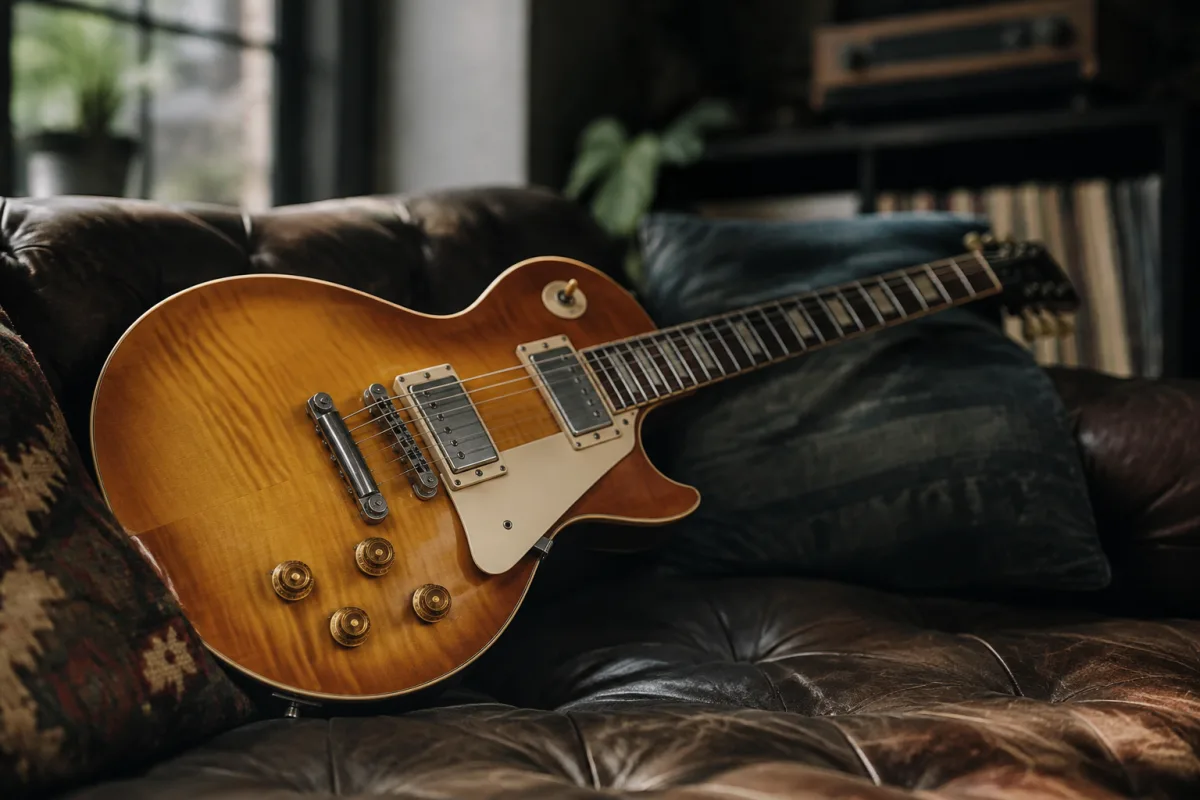
The Gibson Les Paul guitar stands as one of the most iconic and influential electric guitars ever created, shaping the sound of rock, blues, and countless other genres since its introduction in 1952. With its distinctive solid body, warm tone, and legendary status, the Gibson Les Paul guitar appeals to both beginners exploring classic rock tones and professional musicians demanding uncompromising quality.
The History and Legacy of the Gibson Les Paul Guitar
Gibson introduced the Gibson Les Paul guitar in 1952, developed in collaboration with guitarist and innovator Les Paul. The design emerged from Gibson's desire to create a solid-body electric guitar competing with Fender's newly released Telecaster. Unlike Fender's single-cutaway slab design, Gibson's approach featured a thicker, more contoured solid mahogany body with a carved maple top, creating a distinctly different aesthetic and sonic character.
The Gibson Les Paul guitar gained prominence in the late 1950s when blues guitarist B.B. King popularised "Lucille," his famous Gibson Les Paul guitar, making the instrument synonymous with expressive, soulful electric guitar playing. By the 1960s and 1970s, rock legends embraced the Gibson Les Paul guitar—Jimmy Page of Led Zeppelin, Slash of Guns N' Roses, and Stevie Ray Vaughan all wielded Gibson Les Paul guitars as instruments perfectly suited to powerful, emotionally direct playing. The Gibson Les Paul guitar's tonal palette—warm, thick, and sustaining—became the template for classic rock guitar tone.
Essential Features of the Gibson Les Paul Guitar
Understanding the Gibson Les Paul guitar's construction explains its distinctive sound and appeal:
- Solid Mahogany Body: The Gibson Les Paul guitar's body is carved from solid mahogany, a dense hardwood that resists vibration and produces warm, resonant tones with excellent sustain. The thickness and mass of the Gibson Les Paul guitar body directly contribute to its characteristic sound.
- Maple Top: A carved maple veneer covers the mahogany body, providing visual appeal and contributing to tonal brightness and definition. The quality and thickness of the maple top significantly affect the Gibson Les Paul guitar's overall tone.
- Two Humbucking Pickups: The Gibson Les Paul guitar uses two humbucking pickups (typically a standard 500T in the bridge, 490 in the neck position), producing thick, articulate tones capable of everything from smooth jazz to aggressive rock.
- Tune-o-matic Bridge and Stopbar Tailpiece: This traditional Gibson bridge design, standard on the Gibson Les Paul guitar, provides excellent tuning stability and tonal transmission from strings to body.
- Mahogany Neck: A single-piece mahogany neck provides durability and contributes to the Gibson Les Paul guitar's warm sonic character. The three-piece neck construction on some models offers additional stability.
Gibson Les Paul Guitar Models and Variations
Gibson offers numerous Gibson Les Paul guitar variations catering to different player preferences and budgets:
| Model | Key Features | Typical Price Range |
|---|---|---|
| Les Paul Standard | Premium construction, figured maple top, quality hardware, classic appointments | £1,500–£3,000+ |
| Les Paul Traditional | Simplified finish, vintage-style appointments, excellent value, lighter weight | £1,200–£2,000 |
| Les Paul Studio | No maple top, simplified finish, quality construction at reduced cost | £800–£1,500 |
| Les Paul Special and Junior | Single-cutaway slab body, simpler construction, budget-friendly option | £400–£900 |
| Les Paul Modern | Contemporary design, upgraded electronics, modern appointments | £1,200–£2,000 |
| Epiphone Les Paul (Licensed) | Entry-level alternative, similar aesthetic, budget-conscious option | £150–£400 |
Why Choose a Gibson Les Paul Guitar?
The Gibson Les Paul guitar appeals for multiple compelling reasons. The warm, thick tone with natural sustain suits blues, rock, and many other genres without requiring extensive amplifier distortion to achieve character. The Gibson Les Paul guitar's weight and thick body provide substantial, comfortable ergonomics that many players prefer over lighter instruments. The distinctive aesthetic—unmistakable silhouette, traditional appointments, and beautiful finishes—carries cultural cache and inspiration that shouldn't be underestimated as a motivating factor.
For players transitioning from affordable beginner guitars, a Gibson Les Paul guitar represents a significant step up in build quality, hardware, pickups, and overall playing experience. The Gibson Les Paul guitar feels substantial, responds to technique nuance, and rewards development of playing skills through improved tone and sustain.
Common Criticisms and Considerations
The Gibson Les Paul guitar's weight is often cited as a drawback—many models weigh 8–10 pounds, creating shoulder and neck strain during extended playing or live performance. Some players find the Gibson Les Paul guitar's thick body and narrow neck uncomfortable compared to Fender Stratocasters or modern ergonomic designs. The Gibson Les Paul guitar's price point places it beyond budget-conscious beginners; entry-level versions cost considerably more than equivalent beginner instruments from other manufacturers.
Some contemporary players criticise the Gibson Les Paul guitar as traditional to the point of inflexibility, arguing its design prioritises historical authenticity over modern playability features. Finish quality on some Gibson Les Paul guitars varies, and the instrument's susceptibility to finish checking (stress cracks) has generated discussion about Gibson's finishing methods. Despite these criticisms, millions of players consider the Gibson Les Paul guitar worth every drawback for its tonal character and historical significance.
Gibson Les Paul Guitar Tone Characteristics
The Gibson Les Paul guitar produces a distinctly warm, thick tone with excellent sustain—what many describe as "woody" or "fat" compared to brighter-voiced instruments. This tonal character comes naturally from the solid mahogany body and comes through clearly even at low volumes, making the Gibson Les Paul guitar rewarding for bedroom practice. When amplified, the Gibson Les Paul guitar's natural resonance combines with overdrive or distortion to create thick, creamy lead tones and powerful rhythm tones that have anchored countless classic rock recordings.
The Gibson Les Paul guitar's neck pickup produces smooth, creamy tones ideal for blues soloing and gentle rhythm playing, whilst the bridge pickup delivers bright, articulate tones suitable for clean chords and aggressive rock playing. The humbucking pickups inherently reduce noise and hum, providing clean signal transmission to amplifiers.
Maintaining Your Gibson Les Paul Guitar
A quality Gibson Les Paul guitar deserves proper maintenance. Keep the fingerboard clean and lightly conditioned with lemon oil every few months. Store the instrument in a stable environment away from extreme temperature and humidity changes, which can cause finish checking and structural stress. Change strings every 2–3 months depending on playing intensity, and keep the hardware clean and lightly oiled to prevent corrosion. Professional setups every 12–18 months ensure optimal playability and tone.
Conclusion
The Gibson Les Paul guitar represents the pinnacle of traditional electric guitar design, combining centuries of lutherie knowledge with proven tonal and aesthetic excellence. Whether you're seeking the classic rock tone that defined generations of musicians or exploring a new instrument phase in your playing journey, the Gibson Les Paul guitar remains an extraordinary choice. Its weight and price mean it's not for every player, but for those who embrace its character and demands, the Gibson Les Paul guitar repays the investment through decades of playing enjoyment and tonal satisfaction that few instruments can match.


Comments