


Silent Drum Sets Buying guide
Silent Drum Sets: A Complete Buyer's Guide
Silent drum sets let you play quietly without sacrificing feel or sound quality. This guide helps you choose a kit that works for neighbours while delivering real drumming experience.
Choosing Silent Drum Sets: A Buyer's Guide
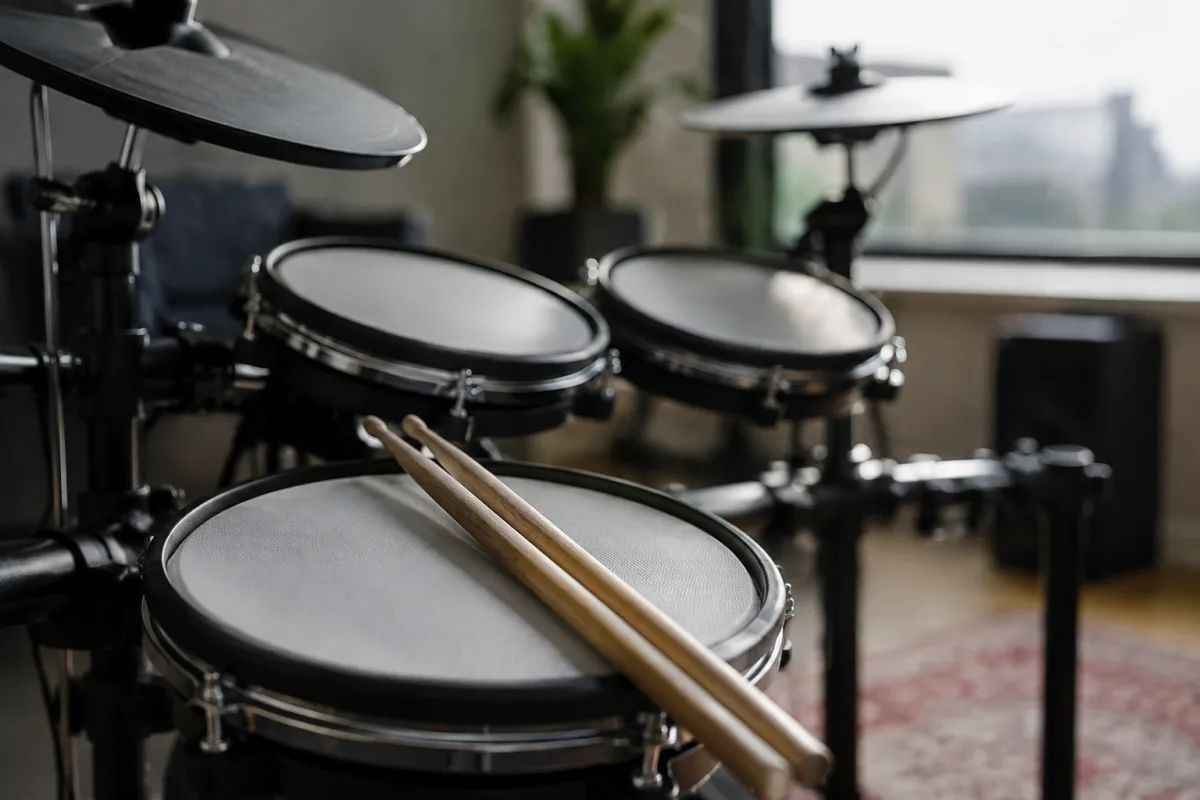
If you want to play drums without annoying neighbours or family, silent drum sets are a game-changer. These are electronic kits with mesh heads and muted cymbals that dramatically reduce acoustic volume while delivering full drumming feel. Choosing the right silent drum set means understanding what you're buying, what specs matter, and how to balance cost with functionality. This guide helps you select a system that lets you practice seriously without peace-shattering noise.
Understanding Acoustic Versus Silent
Traditional acoustic drums are loud—great for stage performance, terrible for apartment living or late-night practice. Silent drum sets use electronic sensors on mesh drum heads and soft cymbal pads. When you strike them, the sensors trigger sounds through headphones or monitors. Result: you hear a full drum sound only you (or whoever's wearing headphones) can hear. Acoustic volume is minimal. This is genuinely revolutionary for drummers in noise-sensitive environments.
How Silent Drum Sets Work
A silent drum set has three parts: mesh heads with piezo sensors that detect strikes, a module that processes signals and generates sounds, and headphones or outputs for audio. Strike the mesh head and the sensor sends a signal to the module. The module generates drum sounds through your headphones. The actual acoustic volume is roughly 70% quieter than acoustic drums—loud enough for you to hear your playing, barely audible outside the room.
Head and Pad Quality
Mesh drumheads determine how the kit feels. Good mesh is responsive, bouncy, and feels close to acoustic heads. Cheap mesh is stiff, unresponsive, or dead—playing on it is frustrating and doesn't develop proper technique. Press the mesh with your hand and notice the feel. Quality mesh has give and response.
Cymbal pads (hi-hat, crash, ride) need to feel natural too. Bad cymbal pads are hard and unforgiving. Good pads have slight give and return cleanly. Test them in the shop. How do they feel under a stick? Do they respond like real cymbals or feel robotic?
Module Quality: Sound Engine
The module is the brain of a silent drum set. Budget modules have tinny sounds with limited editing. Mid-range modules sound decent, offer multiple drum kits, and allow some sound customization. Premium modules sound nearly indistinguishable from real drums and offer extensive editing, recording, and connectivity options.
Test sounds through headphones in the shop. Does the kick drum sound deep and powerful? Do toms sound natural? Are cymbals realistic? Cheap modules sound artificial and fatiguing to listen to for hours. Good modules sound professional.
Pad Response and Sensitivity
Sensitivity control lets you adjust how hard you need to strike to trigger sounds. Good sensitivity means natural technique transfer—play softly, get soft sounds; play hard, get loud. Poor sensitivity means you're either hitting too hard for subtle playing or the kit is triggering ghost notes when you don't want them.
Check whether the module allows per-pad sensitivity adjustment. This matters because different pads (toms, kick, snare) often need slightly different settings for natural feel.
Price Tiers and Value
Budget silent drum sets (£400–£700) deliver basic functionality. Sound quality is acceptable, pads and heads are decent, but customisation is limited. These suit home practice. Build quality is okay but not robust for heavy playing.
Mid-range silent drum sets (£700–£1,500) offer better sounds, responsive mesh and pads, solid build, and useful features like recording and different drum kits. This tier is smart for serious drummers and gigging musicians who need quiet practice but real quality.
Premium silent drum sets (£1,500–£3,500+) sound nearly like acoustic drums, feature professional-grade responsiveness, extensive sound options, and premium build. These suit touring drummers and studio use.
Portability and Setup
Silent drum sets are more compact than acoustic kits but not tiny. Check the footprint before buying. Do you have space in your room? Can you set it up and tear it down regularly, or is it a permanent fixture?
Cable management matters. Multiple cables (USB, audio, power) need organisation. Some kits include cable management solutions; others require improvisation.
Headphone Integration
Most silent drum sets output to headphones only. Can you output to monitors or an amplifier for band practice? Check connectivity options. USB, 1/4" audio output, and Bluetooth expand flexibility. Headphone-only limits band practice and performance possibilities.
Common Pitfalls
Don't buy a cheap silent drum set expecting acoustic-level quality. Budget kits are quieter and functional, but they don't feel like real drums. Spend enough to get responsive mesh and decent sounds. The difference between £500 and £1,000 kits is significant.
Don't overlook the module. The pads are only half the equation. A cheap module with good pads still sounds artificial. Invest in both pads and sound engine.
Don't assume silent means silent. These kits are quieter than acoustic (70% reduction), not silent. At 2 AM, you can still hear the clicks and thumps. Neighbours in adjacent apartments might hear it. Expectations matter.
Testing Before Buying
Try silent drum sets in-person if possible. Play for ten minutes. Notice the feel, the responsiveness, the sound quality. Listen through headphones. How does your playing sound? Is it motivating or frustrating?
Rental is a smart first step. Renting for a week (often £30–£50) lets you live with the kit before committing. This real-world test beats any shop audition.
Conclusion
Buying a silent drum set is a practical solution for drummers in noise-sensitive environments. Spend enough to get responsive mesh heads and a good-quality module with decent sounds. Budget kits work but feel compromised. Mid-range kits offer real value—quiet practice without sacrificing feel or sound quality. Test before buying. Your neighbours (and your drumming progress) will appreciate it. For more on drum kit selection, see our complete guide to silent drum sets.



Comments