


PRS Electric Bass Buying guide
Prs Electric Bass: A Complete Buyer's Guide
Considering a PRS electric bass? Here's how to navigate models, understand the tone, evaluate build quality, and find the right fit for your budget.
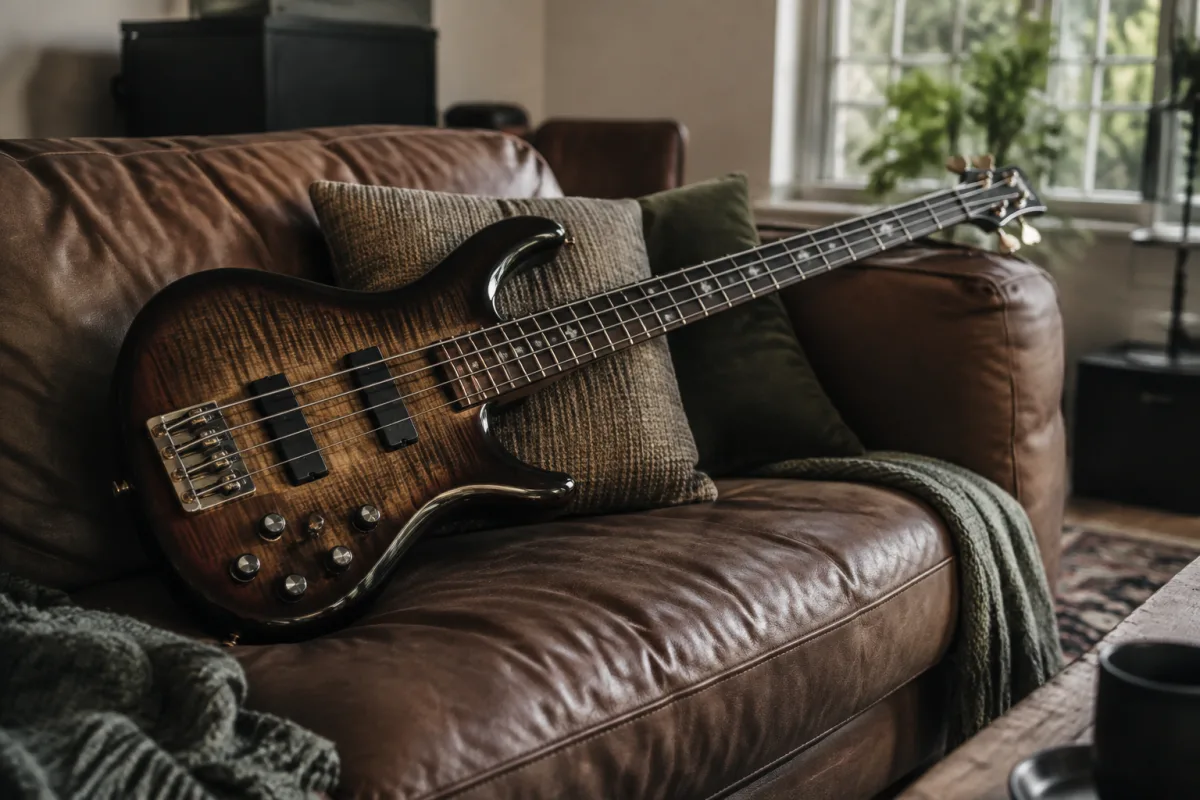
PRS electric basses represent serious craftsmanship applied to a niche market. The brand built its reputation on guitar excellence, and their bass offerings carry that same commitment to quality, tone, and playability. If you're considering a PRS electric bass, understanding the brand's design philosophy, model differences, and what separates genuine value from premium pricing will help you make a confident purchase.
Why PRS Electric Basses Stand Apart
PRS (Paul Reed Smith) brought guitar-maker precision to bass design. Most PRS basses are made in Maryland with meticulous attention to detail: hand-selected woods, quality hardware, and electronics designed to match the bass's sonic character. You're not paying purely for the brand name—you're paying for consistent build quality and tone that justifies the investment.
PRS basses appeal to players who value instrument-making artistry and aren't satisfied with off-the-rack production models. Expect to pay premium prices, but also expect instruments that stay in tune, sound right out of the case, and last decades with minimal maintenance.
PRS Bass Models and Their Differences
PRS offers several bass models, each with distinct character and price positioning. Understanding the lineup helps you find the right fit:
- PRS SE Bass (entry-level): Made overseas (usually Indonesia) with PRS oversight. More affordable entry into the brand (£400–700). Build quality is solid; hardware and electronics are good mid-range components. Ideal if you want the PRS brand and tone character without the Maryland-made premium.
- PRS Melvyn (mid-range signature): Named after legendary bassist Melvyn Jones, offers vintage-inspired tone with modern playability. Hand-crafted in Maryland, available in various wood combinations. Typically £1,200–1,800. A sweet spot for serious players who want proven design.
- PRS SE Kingfisher (singlecut semi-hollow): A unique semi-hollow design offering woody, resonant tone. Made overseas but to PRS standards. Typically £600–900. Great for jazz and vintage-influenced players.
- PRS Limited/Custom (high-end): Bespoke specifications, premium woods, boutique hardware and electronics. Hand-crafted by PRS luthiers. Pricing starts around £2,000 and can exceed £3,500 for custom builds. Rarely discounted or available second-hand. For serious collectors or professionals.
The SE Bass (overseas) vs. Maryland-made divide is important. Both are quality, but Maryland-made instruments command higher resale value and command premium pricing for good reason—they're made by more experienced hands.
Tone and Playability: What to Expect
PRS electric basses typically voice toward clarity and definition rather than aggression. The tone is articulate—you hear every note cleanly, ideal for funk, jazz, and technical playing. This clarity appeals to seasoned players but might feel thin to players accustomed to aggressive, scooped-midrange tone.
Playability is consistently excellent across the range. Neck profiles are comfortable, action comes properly set from the factory, and electronics are responsive without being twitchy. Build tolerances are tight—no neck-pocket gaps, no binding issues, no hardware rattle.
If you're used to Fender Precision or Jazz basses, a PRS will feel refined and articulate by comparison. If you're coming from budget instruments, the build quality and consistency will be revelatory.
Hardware and Electronics Quality
PRS specifies quality components across the board, even on entry-level models:
- Tuning machines: Usually high-ratio sealed tuners (18:1 or better) that hold tune reliably. Even entry SE models use decent hardware.
- Bridge: Typically a custom-designed bridge specific to PRS bass designs, offering stability and tone transfer. Not generic—this is proprietary engineering.
- Pickups: PRS uses proprietary pickups voiced specifically for their bass designs. Electronics are typically 3-band EQ with a bright switch or midrange selector. Active circuitry on most models, passive on some limited editions.
- Output jack: Solid construction; loose jacks are rare on PRS basses.
You don't need to worry about weak hardware on even entry-level PRS basses. The brand maintains standards across the range.
Price Tiers and Value Analysis
PRS pricing is structured but worth understanding:
- SE Bass (£400–750): Solid value for a brand-new instrument with PRS tone and design. A legitimate entry into the brand at less commitment. Not cheap, but fairly priced for the quality delivered.
- Mid-range (£1,200–1,800): Maryland-made instruments, proprietary electronics, hand-selected woods. This is where most devoted PRS players live. Excellent value relative to boutique bass makers, though pricey vs. mass-production alternatives.
- Premium (£2,000–3,500+): Limited editions, custom builds, ultra-premium woods, bespoke specifications. For players with devoted budgets or professional recording needs. Resale value holds extremely well.
A used mid-range PRS (£800–1,200 on the second-hand market) is often better value than new entry-level—you get Maryland-made quality and more refined hardware/electronics than the SE line, at lower total cost.
Specifications to Check When Evaluating a PRS Bass
Key things to assess before buying or making an offer on used:
- Fret condition: PRS frets are crowned and polished to high standards. Any significant wear or dents suggests the bass has had heavy use or poor care. Minor wear is normal; deep divots warrant negotiation.
- Neck relief: A slight forward bow in the neck is normal and desirable. Excessive relief or back-bow suggests neck stress or repair history. Have a professional assess anything questionable.
- Wood grain and finish: PRS showcases wood grain deliberately. Cracks, finish checking, or repairs in the finish are red flags unless documented and priced accordingly.
- Hardware condition: All tuning machines should be snug and responsive. The bridge should have no corrosion or looseness. Look for dings or bent hardware as signs of rough handling.
- Electronics function: All controls should operate smoothly. Test every frequency on the EQ, the bright switch, any push/pull options. Scratchy pots suggest need for professional cleaning or replacement.
- Weight: PRS basses vary by wood selection. Some are notably lighter (lightweight alder bodies); premium woods can be heavier. Know what you're expecting and test comfort before buying.
Used PRS Electric Bass Market
PRS basses retain value remarkably well. A ten-year-old mid-range PRS often costs 60–70% of its original retail price second-hand—excellent by instrument standards. This reflects quality, playability, and desirability.
Red flags on used PRS basses are rare because the brand maintains standards, but watch for:
- Refinish work (reduces value; original finish is always preferred)
- Repair history (neck resets, fret replacement—these can impact tone and resale)
- Missing original case or documentation (affects value and insurance)
- Very light asking prices (often a sign the seller doesn't know value; request professional inspection)
Buying used PRS is a reliable path to quality at a discount if you verify the instrument's condition and history.
Common Mistakes When Shopping for PRS Electric Bass
Avoid these pitfalls:
- Assuming all PRS basses sound identical. The Melvyn (single-coil) sounds brighter and more vintage than the semi-hollow King fisher. Different woods and pickup configurations create different characters. Audition before buying.
- Confusing SE with Maryland-made quality. The SE line is solid, but hand-crafted Maryland PRS basses have noticeably better hardware, pickups, and build precision. They're worth the premium if budget allows.
- Ignoring the secondhand market. Used mid-range PRS basses offer better value than new entry-level. Check Reverb, eBay, and specialist dealers before settling on a new SE.
- Not testing the tone character first. PRS basses are articulate and clear, not aggressive. If you want scooped, punchy tone, an off-the-shelf Fender or Ibanez might suit better. Audition first.
- Overlooking setup and playability. PRS basses come properly set, but individual hand preferences vary. Budget for professional setup (£50–100) if action or intonation needs tweaking for your touch.
- Paying premium for rare finishes without considering resale. Standard finishes resell faster and better. Exotic colour finishes look stunning but reduce second-hand buyer pool.
PRS Bass Resale and Long-Term Value
PRS instruments hold value exceptionally well. A quality used PRS bass typically sells at 60–75% of its original retail price, years later. This is far better than most production basses (which drop to 30–50%) and reflects the brand's durability and desirability.
If you're concerned about long-term flexibility or eventual resale, a PRS is a safer bet than cheaper alternatives. You can always sell and recover most of your investment.
Comparing PRS to Alternatives
If you're weighing PRS against Fender, Music Man, or boutique makers:
- Fender (Precision/Jazz): More tone variety, larger parts ecosystem, cheaper. PRS is more refined and holds value better.
- Music Man StingRay: More aggressive tone, iconic. PRS is more articulate and refined; Music Man is punchier and more polarising.
- Boutique makers: Often handmade to order, unique. PRS offers consistency and established reputation at comparable pricing.
Your choice depends on tone preference, budget, and whether you value brand heritage and resale security.
Conclusion
Buying a PRS electric bass means investing in instrument-making artistry and consistency. You'll pay premium prices, but you get refined tone, exemplary build quality, and a bass that retains value and plays beautifully for decades. Whether you choose an entry-level SE, a mid-range Maryland-made model, or a bespoke custom, you're getting instruments that reward your investment. Start by auditioning models to understand which tone character fits your playing. Then decide between new and used—the secondary market offers exceptional value. Trust the brand's engineering and your ears, and you'll walk away with an electric bass that's genuinely special.


Comments