

Music Organ for Sale article
The Complete Guide to Music Organ For Sale
Discover how to find a quality music organ for sale, whether vintage electronic or modern digital. Expert tips for evaluating condition and avoiding costly mistakes.
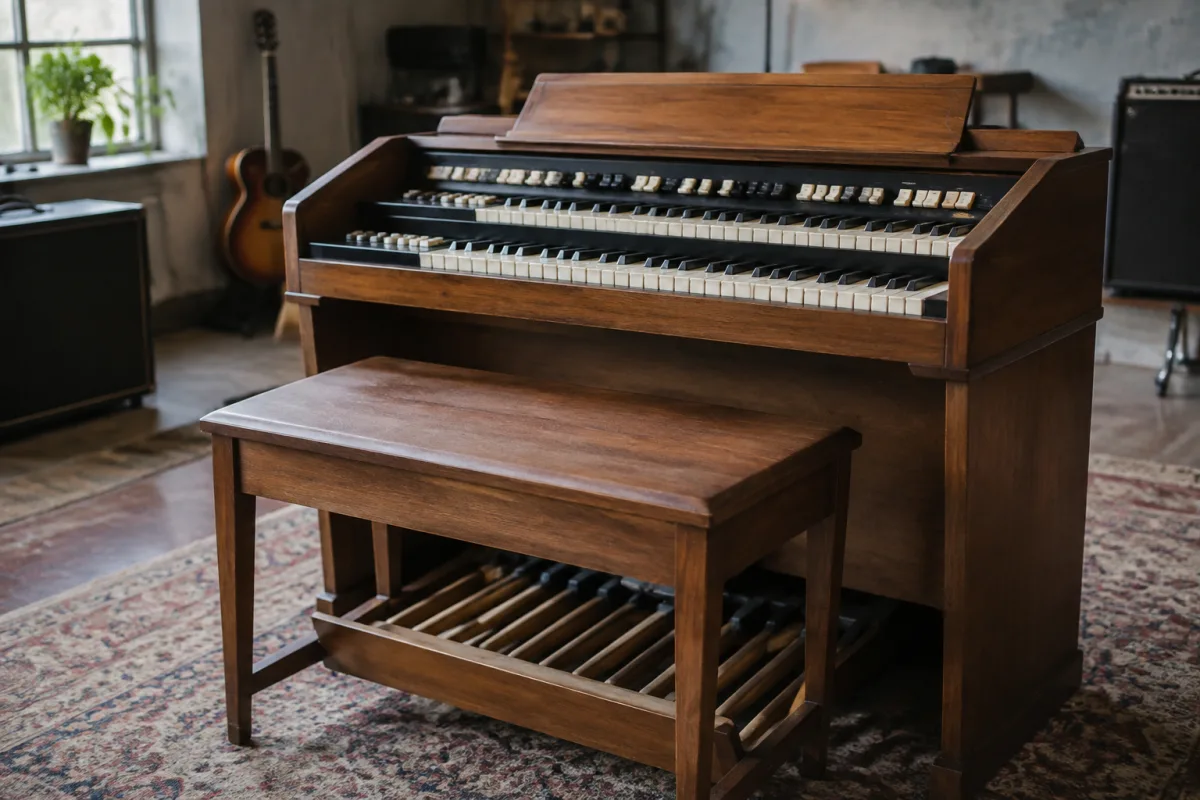
Finding a quality music organ for sale requires patience, knowledge, and clear goals about what you need from your instrument. Whether you're seeking a vintage pipe organ for a church, a portable electronic organ for a bedroom, or a professional-grade digital workstation, the secondhand market offers surprising value alongside new instruments from established manufacturers. Understanding the types available, what to look for, and where to search helps you find an organ that matches both your budget and your musical ambitions.
Types of Organs Available for Sale
The market divides broadly into three categories, each serving different musicians and contexts.
Pipe organs remain the gold standard for classical and ecclesiastical music. Authentic vintage pipe organs appear rarely on the secondhand market but command premium prices when they do; moving or maintaining a pipe organ involves significant expertise and cost. Unless you have specific classical credentials or institutional backing, a pipe organ represents a specialist purchase best approached through dedicated organ dealers.
Electronic organs dominated homes and halls through the 1960s–1990s. Vintage Hammond B3 organs, Farfisa models, and Moog instruments appear regularly at auctions, estate sales, and specialist dealers. Many retain excellent playability and distinctive character that players value for soul, funk, and progressive rock. Prices range from under £500 for a functional 1960s upright to several thousand pounds for a well-maintained Hammond with matching Leslie speaker.
Digital organs represent modern alternatives, offering versatility, portability, and low maintenance. New digital organs range from portable 49-key controllers (£500–1,500) to professional stage instruments and home models (£2,000–10,000+). Secondhand digital organs appear frequently on the market, often at 40–60% of original retail price if they're 3–5 years old.
Where to Find Music Organs for Sale
| Source | Typical Price Range | Pros | Cons |
|---|---|---|---|
| Estate sales & auctions | £300–3,000 | Unique finds; often underpriced | Sold as-seen; limited inspection time; shipping can be expensive |
| Specialist organ dealers | £1,000–8,000+ | Expert condition assessment; warranty; professional support | Premium pricing; curated selection may be limited |
| Online marketplaces | £200–5,000 | Vast selection; transparent seller feedback; home delivery options | Variable condition reporting; unreliable shipping; scams possible |
| Music shops & rental firms | £600–4,000 | Service history known; playable condition guaranteed | Smaller selection; markup over wholesale value |
| Private sales & Facebook groups | £300–2,500 | Direct from owner; sometimes negotiable; personal context | No recourse if issues emerge; limited guarantees |
Specialist dealers remain the safest option for high-value vintage organs, particularly pipe and premium electronic models. Estate sales offer adventure and potential bargains but demand you visit in person and inspect thoroughly. Online marketplaces work well for newer digital organs where condition is easier to assess remotely.
Key Factors When Evaluating an Organ for Sale
Before committing to purchase, evaluate several crucial elements that determine whether an organ suits your needs and budget.
Condition and maintenance history. Ask the seller when the organ was last serviced, whether parts have been replaced, and whether it's been stored in climate-controlled conditions. Vintage electronic and pipe organs need regular maintenance; neglected instruments may require expensive repairs before they're playable again. Request photographs of the interior, any visible damage, and the control panel to spot worn keys or loose connections.
Sound character and registration. Electronic organs vary dramatically in tonal character—a 1970s Farfisa sounds nothing like a modern Korg, and a Hammond B3 offers harmonic complexity that most digital models only approximate. If specific vintage character matters to your music, try the instrument yourself or consult recordings of its exact model. Digital organs' built-in sounds are often sufficient for casual playing, but professional musicians find tonal limitations frustrating.
Physical space and portability. Vintage pipe organs are essentially immobile. Large electronic organs weigh 100+ kilograms and are difficult to move. Digital organs typically weigh 20–50 kg and fit standard living spaces. Measure your practice space carefully; an organ that sounded wonderful in a showroom can overwhelm a small bedroom.
Output and amplification. Pipe organs produce acoustic sound. Large electronic organs need amplification via a Leslie speaker or separate amp. Digital organs often include built-in speakers, but professional models connect to external systems. Clarify what amplification comes with the organ or what you'll need to purchase separately.
Pricing and Negotiation Strategy
Organ prices vary wildly based on type, condition, and market timing. A 1960s Hammond B3 in excellent condition might sell for £3,000–5,000, whilst a comparable period Farfisa might be half that. Modern entry-level digital organs depreciate quickly—a £2,000 Yamaha P-515 from three years ago might sell for £1,200 secondhand.
Research comparable models and recent sales before making an offer. Use eBay's "sold listings" feature and Reverb.com to see what similar organs have actually fetched. Estate sale organs are often underpriced because sellers lack musical expertise—attend the preview and bid strategically. Private sales and online marketplaces usually have room for negotiation, particularly if you can collect in person rather than require delivery.
Post-Purchase Considerations
Once you've bought your organ, plan for delivery, setup, and maintenance. Shipping vintage organs is expensive and risky; arranging professional delivery for larger instruments costs £200–500 but protects your investment. Digital organs need power and audio connections sorted immediately; many sellers offer remote guidance for setup via video call.
Budget for professional inspection after purchase if you bought from a private seller. A technician's check-up (typically £100–200) identifies hidden issues early and often qualifies you for warranty extensions. Join owner communities on Facebook and forums to tap into peer knowledge; other organists can advise on your model's common issues and offer maintenance tips.
Keep your receipts and any documentation that came with the organ. Service records add value if you later resell, and documentation helps you find replacement parts if something fails years down the line.
Conclusion
The secondhand organ market rewards patient shopping and informed decisions. Whether you're drawn to the character of a vintage electronic instrument or the modern practicality of digital options, finding a music organ for sale that suits your style, space, and budget is entirely achievable. Take time to inspect, research comparable prices, and understand what you're getting—a well-chosen organ becomes a lifelong musical companion.


Comments