
Music Headphones article
The Complete Guide to Music Headphones
Finding the right music headphones transforms how you experience your favourite songs. This guide explores the key considerations for selecting headphones that genuinely enhance your listening, from comfort and sound quality to features that matter.
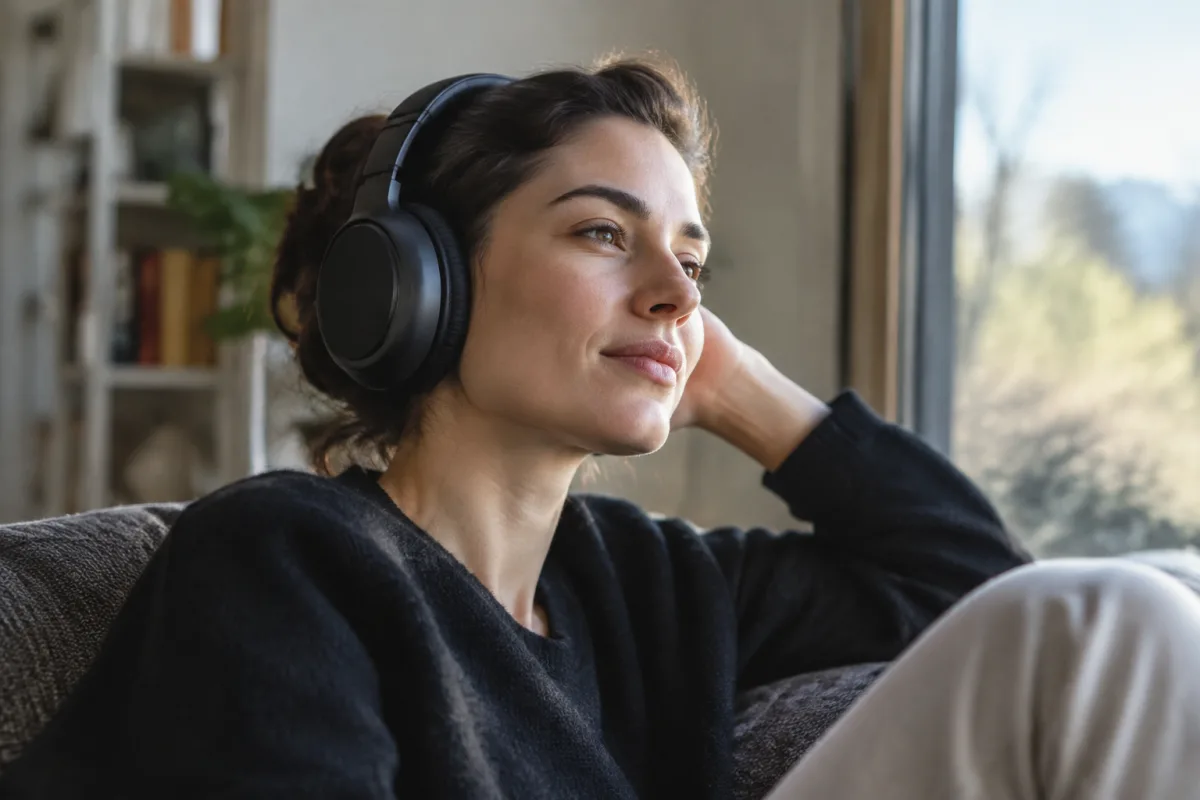
Finding the right music headphones can transform how you experience your favourite songs. Whether you're a casual listener, a commuter, or a musician who needs precision monitoring, the choice between different headphone types depends on your listening habits, budget and what matters most to you. This guide explores the key considerations for selecting music headphones that genuinely enhance your experience.
Understanding Headphone Types
Music headphones come in three primary formats, each with distinct advantages. Over-ear models enclose your ears completely, offering superior soundstage and comfort for longer sessions, though they're less portable. On-ear headphones sit directly on your ear and strike a balance between portability and sound quality, though they can feel less comfortable after extended wear. In-ear headphones (earbuds and in-ear monitors) are the most portable option and come in wired or true wireless versions, making them ideal for travel and exercise.
Your choice between these formats should reflect where you'll use your music headphones most. Studio work demands over-ear models for accurate monitoring, whilst commuting suits compact in-ear options.
Sound Quality and Frequency Response
The frequency response of music headphones indicates which tones they emphasise. A neutral, flat response (typically 20Hz to 20,000Hz) reproduces music as recorded, making it ideal for mixing and mastering. Consumer models often boost bass and treble for a more exciting, engaging sound—perfect for casual listening to pop and electronic music.
Sensitivity and impedance also matter. Higher sensitivity means the headphones produce louder sound from a given signal, whilst impedance affects how much power they require from your device. For portable use, look for headphones with sensitivity above 85dB and impedance between 16 and 32 ohms to ensure they work well with phones and portable players.
Wired Versus Wireless Music Headphones
Wired music headphones guarantee no latency or connection drops, making them the choice for professional studio work and live monitoring. They require no charging and deliver consistent audio quality directly from your device via a 3.5mm jack or balanced XLR connector.
Wireless headphones offer freedom of movement and convenience, though they introduce potential connection issues and require charging. Bluetooth headphones use either standard Bluetooth (SBC, AAC, aptX) or higher-quality codecs like LDAC for superior wireless fidelity. Active noise cancellation (ANC) on wireless models can isolate you from external sound, a genuine benefit for focused listening in noisy environments.
Comfort and Build Quality
Extended listening sessions demand comfort. Look for music headphones with padded ear cups and adjustable headbands. The weight matters too—lighter models fatigue your ears less over hours of listening. Materials like memory foam in ear pads and breathable fabrics prevent heat buildup.
Durability is equally important. Reinforced cables, sturdy hinges and replaceable components (ear pads, cables) mean your investment lasts years rather than months. Premium models often feature metal construction, whilst budget options use durable plastic.
Key Features for Listeners
| Feature | Benefit | Best For |
|---|---|---|
| Active Noise Cancellation | Blocks external sound electronically | Commuters, travellers, open offices |
| Passive Isolation | Physical seal reduces external noise | Focused listening, studio monitoring |
| Detachable Cables | Easy replacement if damaged | Professional use, long-term value |
| Built-in Microphone | Hands-free calls and voice control | Mobile users, podcasters, musicians |
| Adjustable EQ | Tailor sound to your taste | Audiophiles, genre-specific listeners |
Budget Considerations
Budget music headphones under £50 can deliver acceptable sound for casual listening, though you'll notice compromises in build quality and frequency response accuracy. Mid-range options between £50 and £200 strike an excellent balance, offering solid sound quality and durability without premium pricing. Professional-grade headphones above £200 provide studio-accurate sound and exceptional build quality, justified for musicians and serious audiophiles.
Rather than chasing the most expensive option, match your budget to your actual use case. A commuter needs different features than a studio engineer.
Selecting Music Headphones for Your Needs
Your ideal music headphones depend on four core questions: where will you use them (stationary or mobile), how long do you listen at a time, what genres do you favour, and what's your budget? A portable listener who cycles through genres will prioritize comfort and portability over neutral frequency response, whilst a mixing engineer needs accurate, flat-response over-ear models regardless of cost.
Test music headphones with tracks you know well before purchasing. Listen for any harsh frequencies (bright treble causing fatigue), muddiness (bloated bass), or gaps in the midrange (voices sounding distant). Your ears are the final judge.
Maintenance and Longevity
Protect your investment by storing music headphones in a protective case, avoiding excessive heat or moisture, and gently cleaning the ear pads monthly with a soft, slightly damp cloth. Replace ear pads when they become cracked or uncomfortable—many quality models offer replacements affordably. If using wired headphones, coil cables loosely to avoid kinks and connector damage.
Choosing the right music headphones means matching the technology to your life. With the right model, your daily listening becomes more engaging, comfortable and genuinely enjoyable.



Comments