


Locking Tuning Machines article
Locking Tuning Machines for Beginners: A Complete Guide
Locking tuning machines keep your guitar in tune by mechanically gripping the string. This beginner guide shows installation is simple and the payoff is enormous.
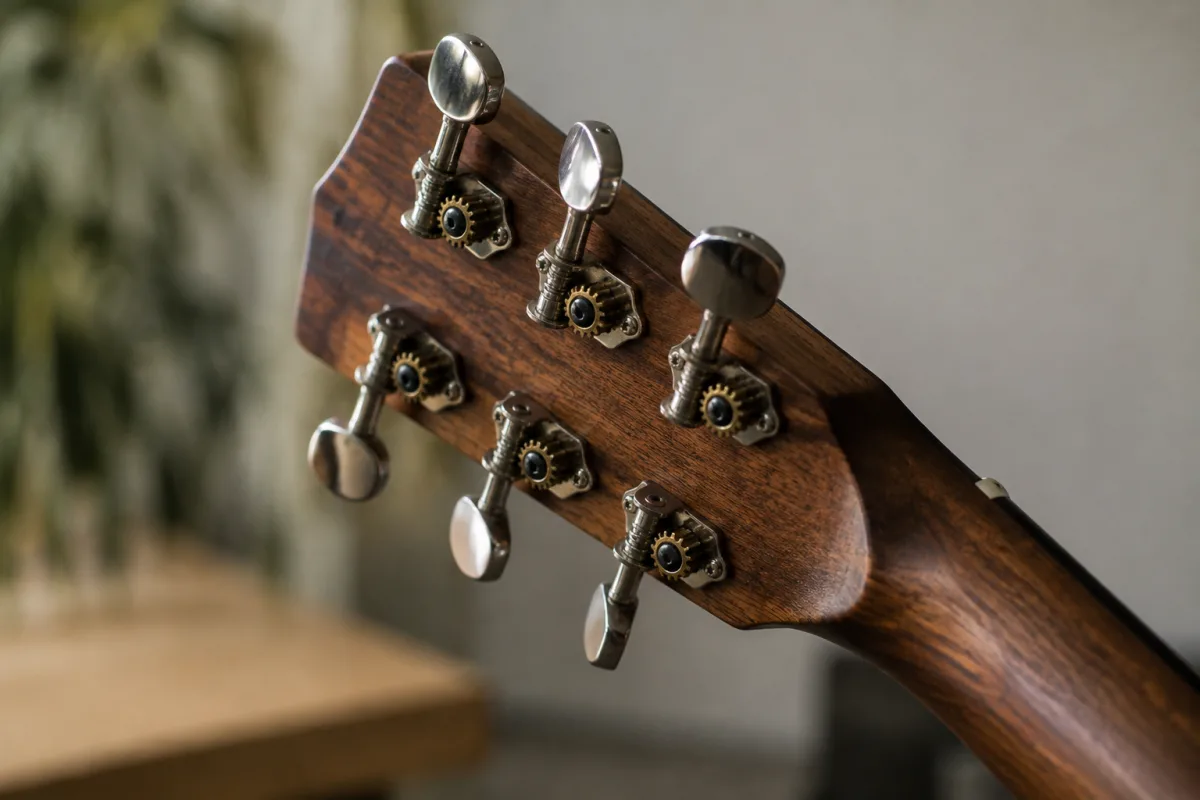
Upgrading to Locking Tuning Machines: Your First Step
If you've noticed your guitar's tuning drifting during practice or gigs, locking tuning machines might be the solution. These are mechanical upgrades to your guitar's headstock that lock the string in place, preventing tuning slippage. For beginners worried about the upgrade process, here's good news: it's simpler than you think. This guide walks you through what locking tuning machines actually do, how to install them, and why this is genuinely one of the easiest and most worthwhile guitar upgrades you can make.
Understanding How They Work
Traditional tuning machines rely on the string being tightly wound around a post to stay in pitch. Locking tuning machines add a mechanical clamp or lock that grips the string, preventing it slipping. The result: your tuning stays put, even under playing stress or temperature changes.
The mechanism is simple: thread the string through the peg post, flip a lever or tighten a collar, and the string is locked in place. Then tune to pitch as normal. The lock keeps it there. No mystery, no complexity.
Why Locking Tuning Machines Matter for Learning
Tuning instability is discouraging. You'll tune your guitar, play for ten minutes, and suddenly the B string is flat. You question your technique, your ear, your playing—when really the guitar just needs retuning. Locking tuning machines eliminate this variable. Your tuning stays stable so you can focus on actually learning to play. That mental relief is worth the upgrade alone.
Installation: Easier Than You Expect
Here's what you actually need to do. Remove the old tuning machines with a screwdriver—they're held on with small screws or bolts. Unwind your strings first (slacken them completely). Then carefully unscrew and remove the old pegs.
Fit the new locking tuning machines into the same holes. They screw in exactly like the old ones—no special tools, no drilling, no complications. Tighten them snugly but not over-tight. Then thread your strings through the new pegs and tune up.
That's genuinely it. If you've ever changed strings, you can do this. If you haven't, watching a thirty-second YouTube video shows exactly what to do. It's straightforward.
Cost and Value
A full set of locking tuning machines costs £20 to £60 depending on brand and style. That's less than two weeks of casual lessons. For the stability and peace of mind you gain, it's excellent value. You'll use those machines for years.
Types of Locking Mechanisms
Lever-lock designs have a small flip lever. Thread the string and flip the lever to lock. Simple, intuitive, beginner-friendly. No tools needed once installed.
Collar-lock designs use a small collar you tighten with a hex wrench. They work brilliantly but require remembering to bring an Allen key. For beginners, lever-lock is simpler—nothing to remember.
Common Beginner Worries
Will I damage my guitar? No. Tuning pegs are designed to be replaceable. New ones fit the same holes. You're not modifying anything structural.
Is the lock permanent? No. You can remove locking tuning machines and refit standard ones anytime. It's reversible if you ever want to change.
Will they sound different? No. The mechanism doesn't affect tone. Your guitar sounds the same; it just stays in tune.
When to Upgrade
If your guitar's tuning noticeably slips during playing, upgrade now. If tuning is stable, you might not need them. Play for fifteen minutes after tuning carefully. Does it stay in tune? If yes, you're fine. If no, locking tuning machines are the answer.
Professional Setup
If you're nervous about installation, a music shop will install them for £20–£30 labour. That's genuinely affordable. But most beginners manage it fine on their first attempt.
Conclusion
Locking tuning machines are one of the most accessible and worthwhile guitar upgrades. They install simply, cost very little, and genuinely improve your playing experience by keeping tuning stable. If tuning instability is frustrating you, upgrade. You'll wonder why you didn't do it sooner. For more on guitar upgrades and maintenance, see our complete guide to locking tuning machines.



Comments