


Jem Junior Buying guide
Jem Junior: A Complete Buyer's Guide
The Ibanez Jem Junior offers iconic Jem character at lower cost. This buying guide explains what you get, where compromises exist, and whether it's the right guitar for your needs.
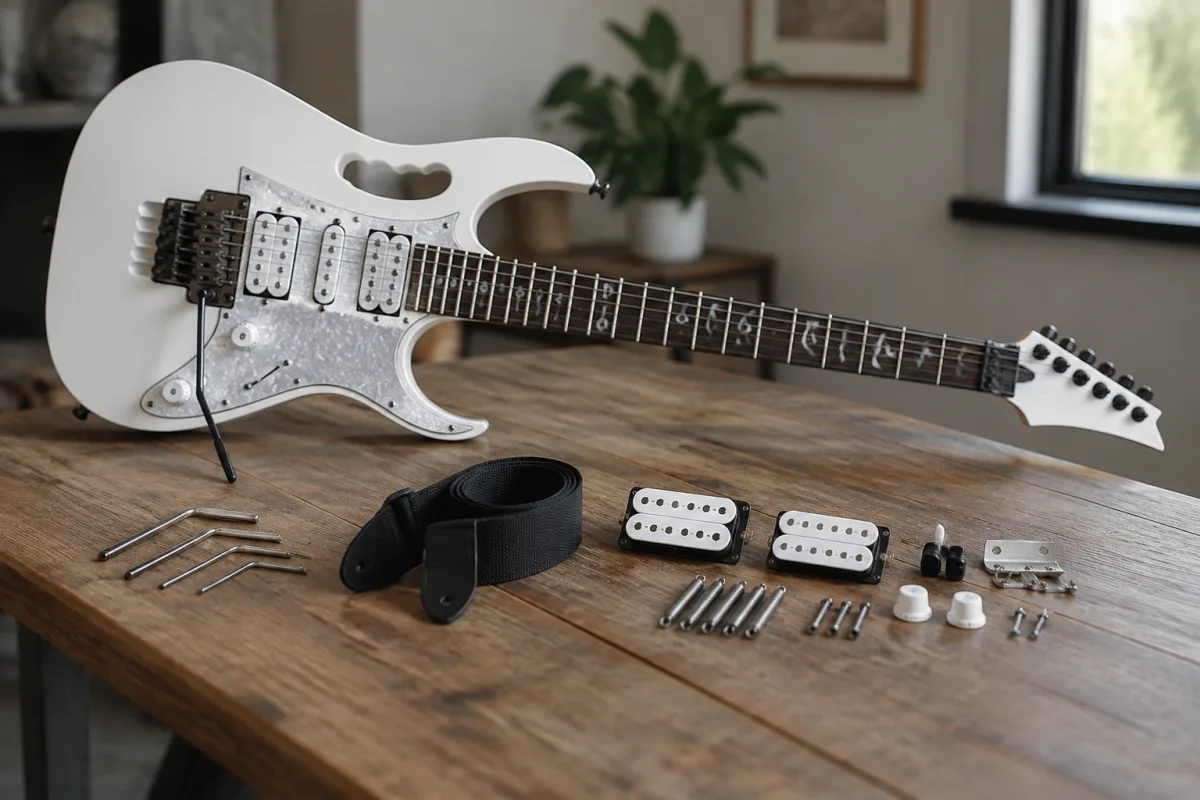
The Ibanez Jem Junior is a modern electric guitar designed to deliver Jem's iconic character at an accessible price point, making it an attractive option for intermediate players and those curious about Jem features without premium pricing. However, understanding what specifications matter, how the Junior compares to full-price alternatives, and what compromises the lower price entails ensures your purchasing decision matches your actual needs and musical goals. This buying guide demystifies the Jem Junior, helping you evaluate whether this guitar deserves your investment.
Understanding the Jem Junior's Design and Heritage
The Ibanez Jem Junior inherits the legendary Jem's distinctive design elements: the pointed body shape, the tremolo system, and the 24-fret neck offering extended range beyond traditional guitars. As a more accessible version of the premium Jem, it retains visual and functional character whilst reducing cost through material and component choices. The Junior appeals to players wanting iconic Jem aesthetics and functionality without the premium Jem price tag. Understanding what "Junior" means—both visually and functionally—prevents purchasing a guitar expecting full Jem specifications at Junior pricing. The Junior is genuinely different, not simply a cheaper full Jem, and this distinction matters significantly to satisfaction.
Body Construction and Materials
The Jem Junior body uses solid wood construction (typically mahogany or alder) similar to full Jem models, providing good resonance and durability. The distinctive body shape feels comfortable for fast playing and extended range access. However, examine finish quality carefully—budget finishes show inconsistency and poor edge definition compared to premium Jem models. Running your hand across the finish reveals texture differences; smooth finishes indicate careful application, whilst rough finishes suggest quality control shortcuts. The body feels similarly weighted to full Jem models despite lower price; this is not a lightweight student guitar. Weight consistency between models means balance and comfort remain superior to many alternative guitars regardless of price tier.
The Neck: Playability and Comfort Factors
The Jem Junior features a 24-fret neck with access to higher frets through the Jem's signature body cutaway, enabling rapid position shifting and extended range playing. The neck typically uses rosewood fretboard with quality comparable to full Jem models—a significant cost-saving success rather than compromise. The neck profile should feel comfortable in your hand; if possible, play a demonstration model to assess comfort before purchasing. The truss rod is accessible and functions similarly to full Jem models. Neck quality is one area where the Junior doesn't compromise significantly; build quality here justifies the guitar's credibility amongst intermediate players.
Pickups and Electronics
This is where the Junior's cost-saving becomes most evident. The Junior uses different pickups than full Jem models—typically more affordable Ibanez designs delivering adequate but less expensive tone character. This electronics compromise matters most if you're specifically seeking Jem's tonal signature; the Junior will sound somewhat different. For players prioritising playability and aesthetics over exact tonal matching, this compromise is inconsequential. The electronics are solid and reliable; the pickups are adequate for most playing styles. Upgrading pickups later is possible and relatively affordable if you develop specific tonal desires after purchasing.
The Tremolo System
The Jem's iconic tremolo (vibrato) system is partially replicated in the Junior, providing useful vibrato functionality. This is not the precise, expensive Full Jem Edge tremolo but a simpler, more affordable design. The Junior's tremolo holds tuning adequately and functions reliably through normal use. Expect this tremolo to require more frequent adjustment than premium Jem models and potentially develop slight tuning issues during intense use. For most players, this simplified tremolo is perfectly adequate. Players specifically requiring the Edge tremolo's precision should budget for full Jem models rather than Junior options.
Playability and Fast Fretwork Access
The Jem Junior excels in fast playing access through the body's horn cutaway enabling effortless upper-fret access. This design enables rapid position shifting and lead playing challenging on traditional guitar body shapes. If fast lead work is your primary focus, the Junior delivers excellent value. The thin body also contributes to fast playability and comfortable sustained holding. This is one of the Junior's genuine strengths, not merely inherited compromises from the full Jem.
Price Tiers and Value Assessment
The Jem Junior typically costs significantly less than full Jem models (often 40-60% less), making it substantially more accessible. Alternative intermediate guitars often sit at similar price points, requiring careful comparison. Before purchasing, evaluate alternative brands at the Junior's price; this competitive landscape ensures you understand what value the Jem Junior actually offers. Some alternatives provide better pickups or different aesthetics; the Junior justifies its purchase through design character and playability rather than universal technical superiority. Evaluate whether Jem aesthetics and playability matter to you specifically.
Build Quality and Durability
Ibanez builds the Junior with solid craftsmanship; it's not a cheap instrument despite lower pricing. The body, neck, and hardware are designed to handle years of regular playing. Quality control is consistent; defects are rare when purchasing from reputable retailers. The Junior won't outlast premium Jem models indefinitely, but it will serve you reliably for years without significant issues. This build quality justifies the Junior's credibility as a legitimate intermediate instrument rather than a beginner compromise.
Hardware and Components
The tuning machines, bridge, and hardware use simpler designs than full Jem models but remain fully functional and reliable. Tuning stability is adequate for most playing contexts. Bridge adjustment is straightforward, and replacement parts are readily available through Ibanez if needed. Hardware quality represents reasonable compromise between cost and functionality. Expect minimal maintenance issues; the hardware is not precision engineering but solid, everyday-use equipment.
Aesthetic Appeal and Personal Preference
The Jem Junior retains the iconic Jem body shape and characteristic visual identity. If you love Jem's appearance, the Junior delivers at lower cost. If you're ambivalent about Jem aesthetics, prioritise alternative guitars that might offer better specs at similar pricing. Personal aesthetic preference matters significantly to long-term instrument satisfaction; purchasing a guitar simply for affordability whilst disliking its appearance usually results in resentment. The Junior's visual character is its primary strength beyond playability.
Resale Value and Long-term Investment
The Jem Junior retains reasonable resale value within the second-hand market, though less premium models command proportionally lower prices than full Jem guitars retain. If eventual resale is a concern, factor this into your purchasing decision. The guitar is solid enough that resale remains viable after years of play; you won't give it away for nothing after using it. However, resale profit is unlikely; treat this as a playing instrument rather than investment.
For comprehensive information about Jem Junior specifications and comparable models, explore the complete guide to Jem Junior, which covers detailed technical specifications and expert recommendations.



Comments